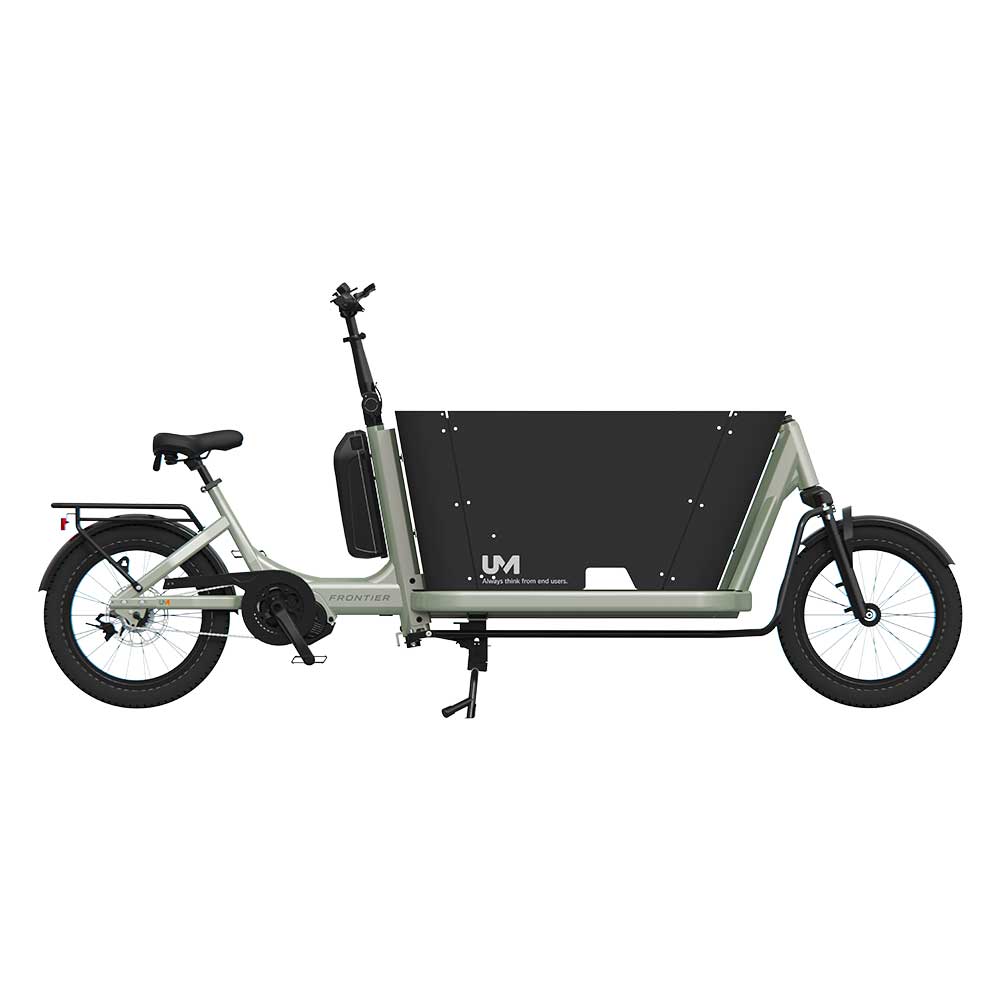
Electric Cargo Bikes Manufacturer
- Lar
- Produtos
- Electric Cargo Bikes
Qualified By:

Versatile Electric Cargo Bikes for Every Business Need
As a leading B2B cargo bike manufacturer with nearly 20 years of industry experience, we specialize in delivering reliable, customizable solutions for logistics, retail, urban transport, and family mobility. From compact family bikes, selected three-wheeled cargo bikes e electric tricycles, our product range is designed to adapt to diverse operational needs and regional market preferences.
Explore the models below to find the right fit — or contact us for tailored OEM & ODM support.
Family Friendly Transport
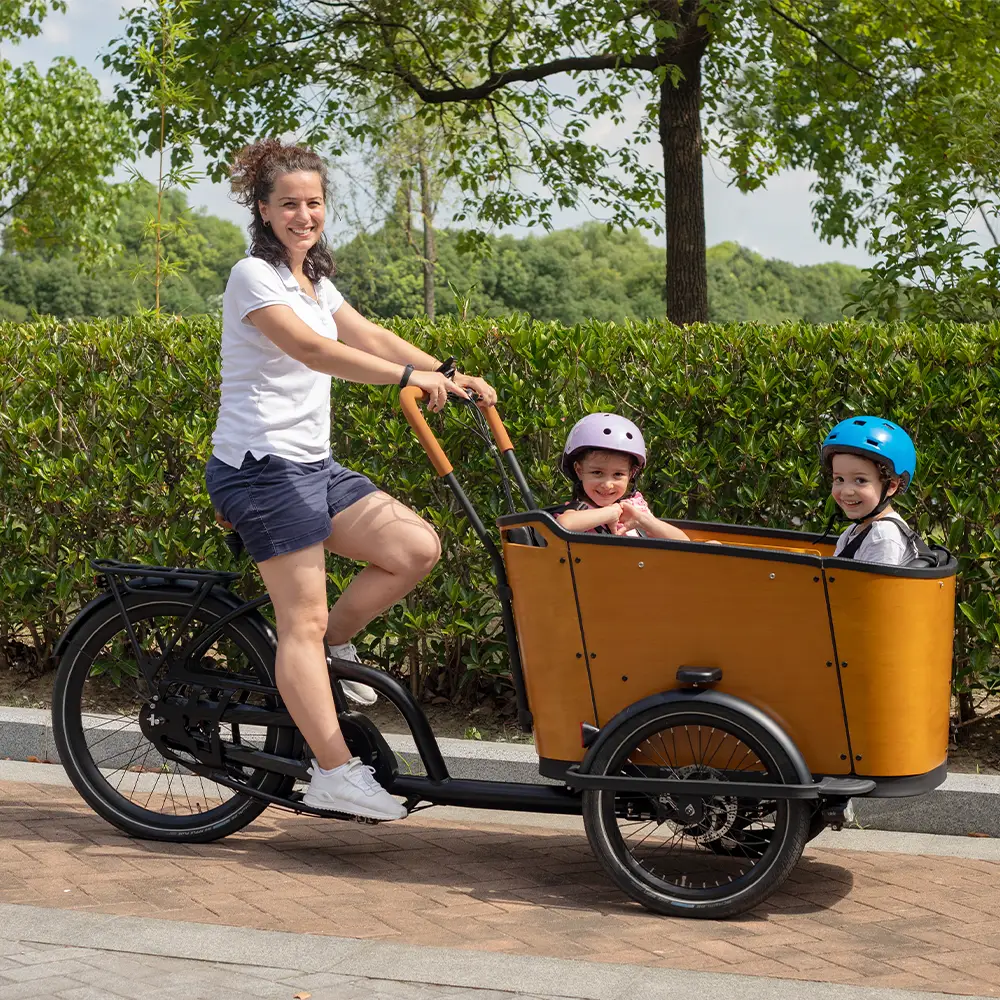
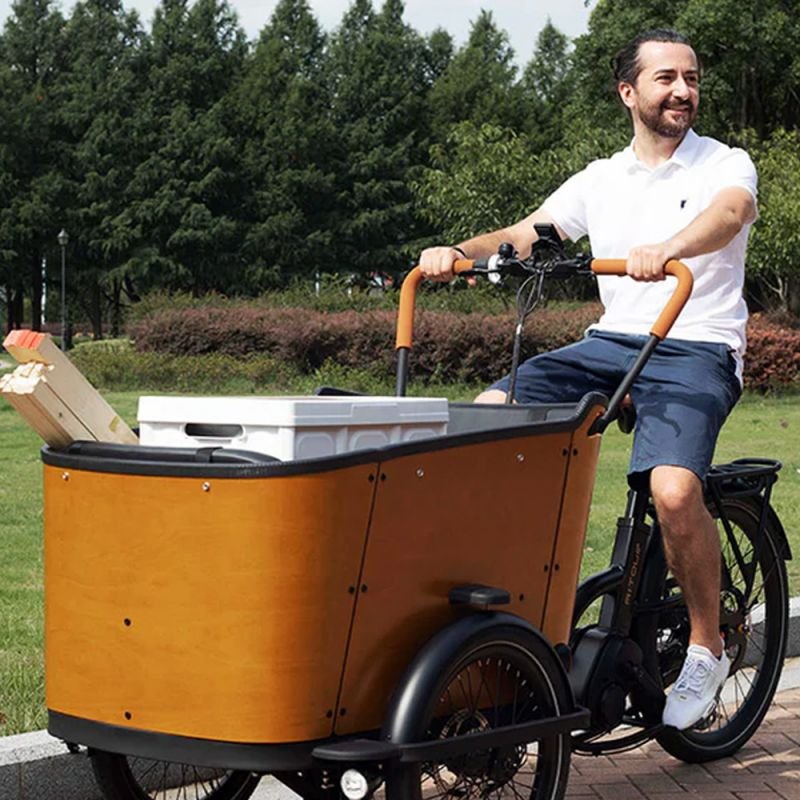
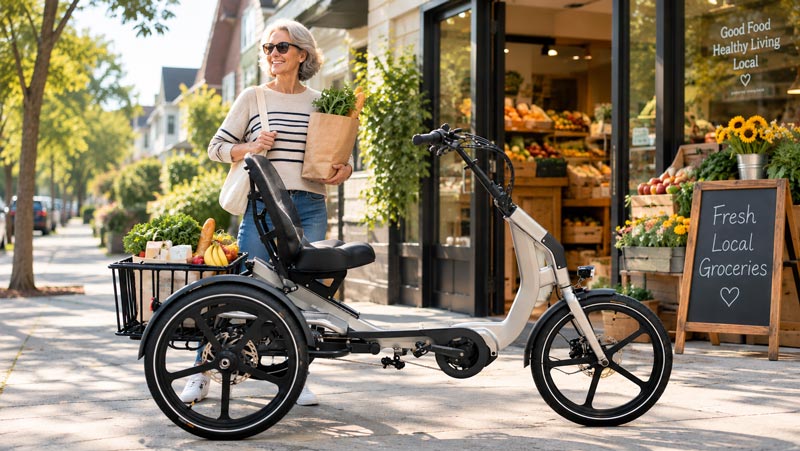
Ideal for families on the go, our cargo bikes make school runs, grocery trips, and weekend adventures a breeze. With seating for kids, a weatherproof rain cover, and safety-focused design, it’s the ideal family bike for urban life. Enjoy a smooth, fun ride while reducing your carbon footprint.


Efficient Last-mile Logistics.
Designed for urban delivery professionals, our cargo bikes provide an efficient, sustainable alternative for post and parcel transport. With a spacious cargo box, electric assistance, and excellent maneuverability, they’re perfect for navigating busy city streets. Say goodbye to parking hassles and hello to timely, reliable deliveries. Want to quantify the environmental upside? Use our cargo bike CO2 savings calculator to estimate the tonnes of CO2 your fleet could cut each year.
Facility Service Support
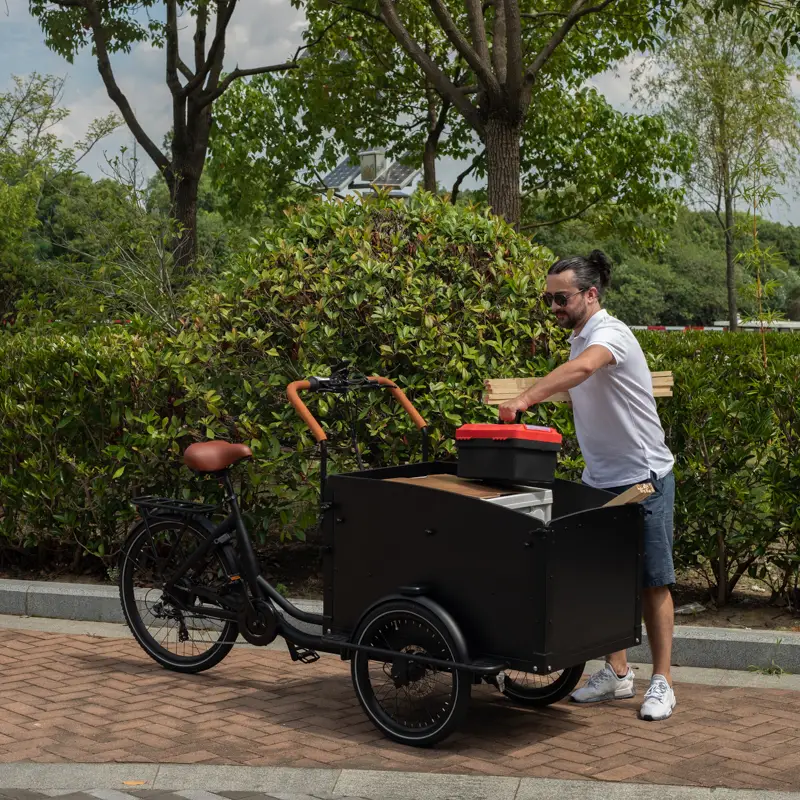
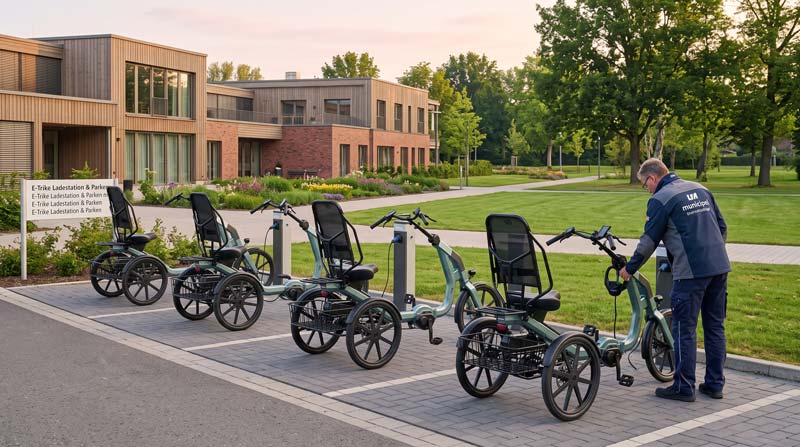
Built for campuses, parks, industrial sites, and municipal operations, our electric cargo bicycles support daily facility services with quiet operation and flexible load capacity. From maintenance tools to cleaning equipment and on-site logistics, these bikes streamline internal transport while reducing operational costs and emissions. Backed by practical electric cargo bike design and scalable configurations, we support partners seeking a reliable ODM electric bike for cargo utility—adaptable to different service scenarios without overengineering.


As A Bike Factory, We Can Offer More Than These
Cargo Bike Solution Cases
Food and Beverage Delivery
Meal delivery, hot food transport, insulated cargo box, restaurant delivery, cafe logistics.
Retail and Market Deliveries
Local business delivery, farmers’ market logistics, small business transport, retail goods, artisan deliveries.
Postal Services
Mail delivery, postal bike, urban postal routes, small package delivery, efficient mail transport.
Cargo Bike Sharing
Shared rental of cargo bikes for businesses/individuals, covering delivery, vending, logistics, etc.
Mobile Vending
Food cart bike, mobile coffee stall, street vending, ice cream bike, pop-up shop transport.
Hotel Linen Transport
Housekeeping supplies, linen delivery, hotel logistics, laundry transport, service bike.
Event Equipment Transportation
Event logistics, venue transport, portable equipment, event setup bike, material delivery.
Tenha um realmente
ótimas ideias?
Serviço OEM/ODM
Somos especializados em e-bikes totalmente personalizáveis, bicicletas de carga para combinar com suas especificações exclusivas. Com equipes dedicadas de design e P&D, entregamos soluções inovadoras e de alta qualidade sob medida para seu mercado.
Serviço de garantia
Nós garantimos desempenho e confiabilidade duradouros. Não se preocupe com o serviço pós-venda. Nosso compromisso com a qualidade significa que cada produto é apoiado por testes e certificações rigorosos.
Suporte ao cliente
Nossa equipe de atendimento ao cliente responsiva está aqui para ajudar você em cada etapa, desde consultas de pré-venda até suporte pós-venda. Com um tempo de resposta de 24 horas e 7 dias por semana, priorizamos sua satisfação e sucesso.
Leave A Message
Diga-nos a sua demanda
Nossa equipe experiente está pronta para fornecer soluções personalizadas para dar suporte ao crescimento do seu negócio.
Enhance Your Brand with Custom E-Cargo Bike Designs
Reliable Transport Made Simple
Definition, Types, Application
What is e-Cargo Bike?
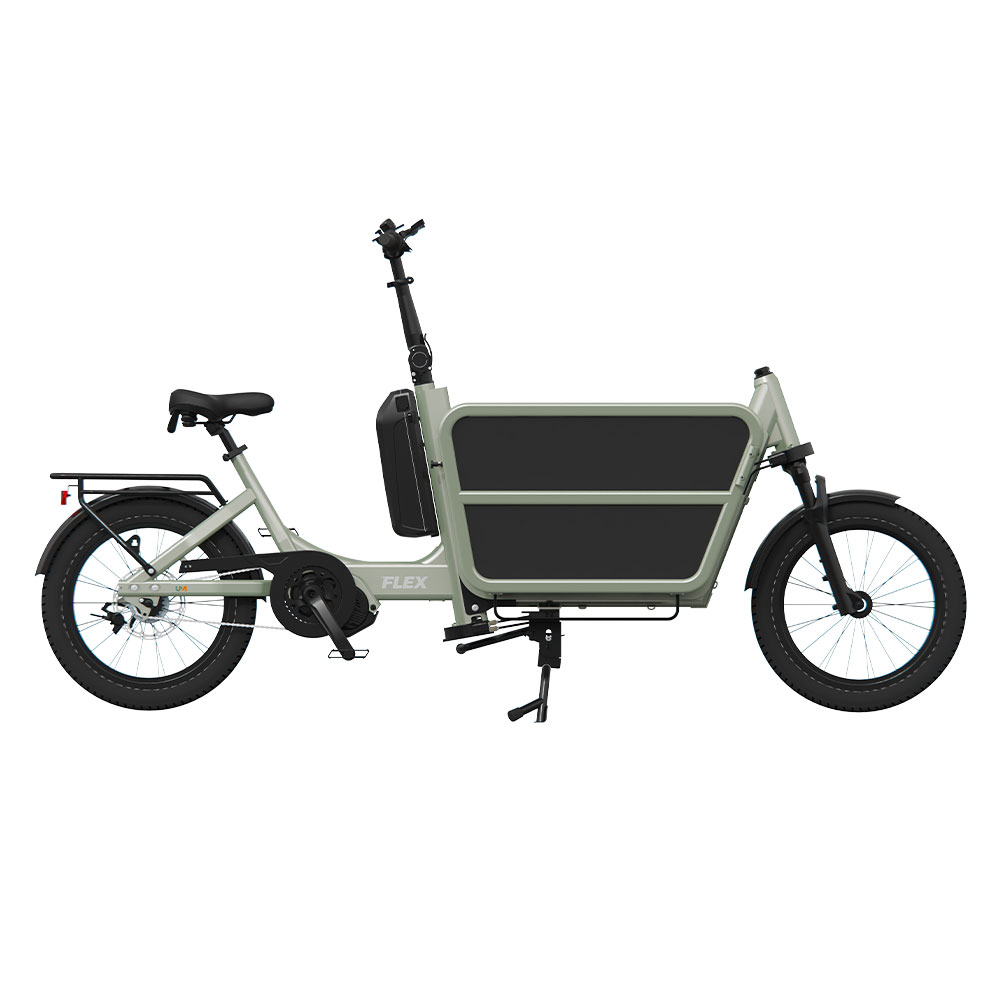
Cargo bikes are bicycles designed for carrying heavy loads, goods, or passengers, featuring reinforced frames and specialized cargo areas. They provide a sustainable and efficient alternative to cars, especially in urban environments.

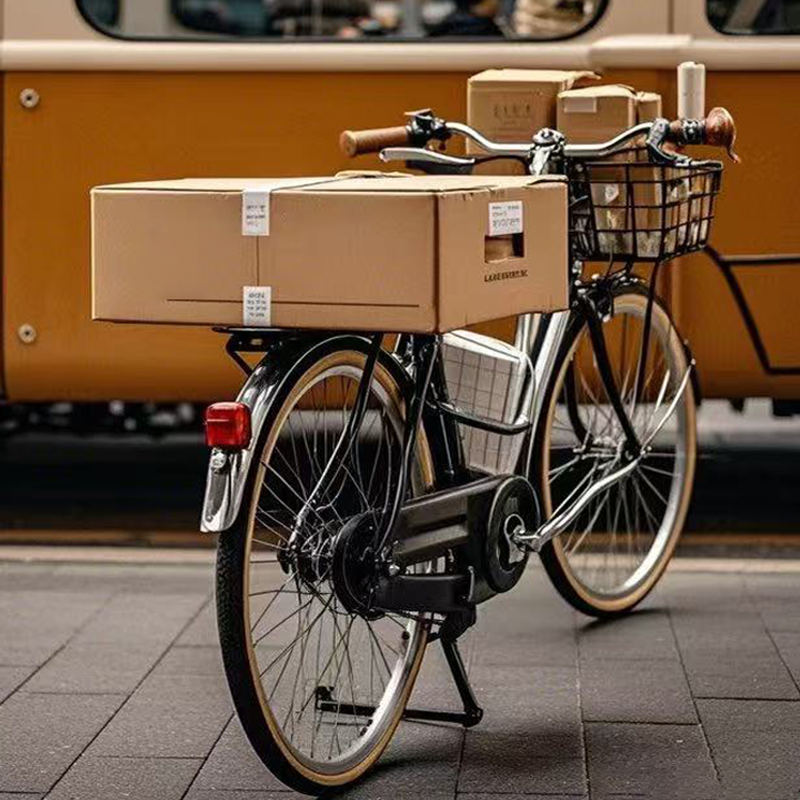
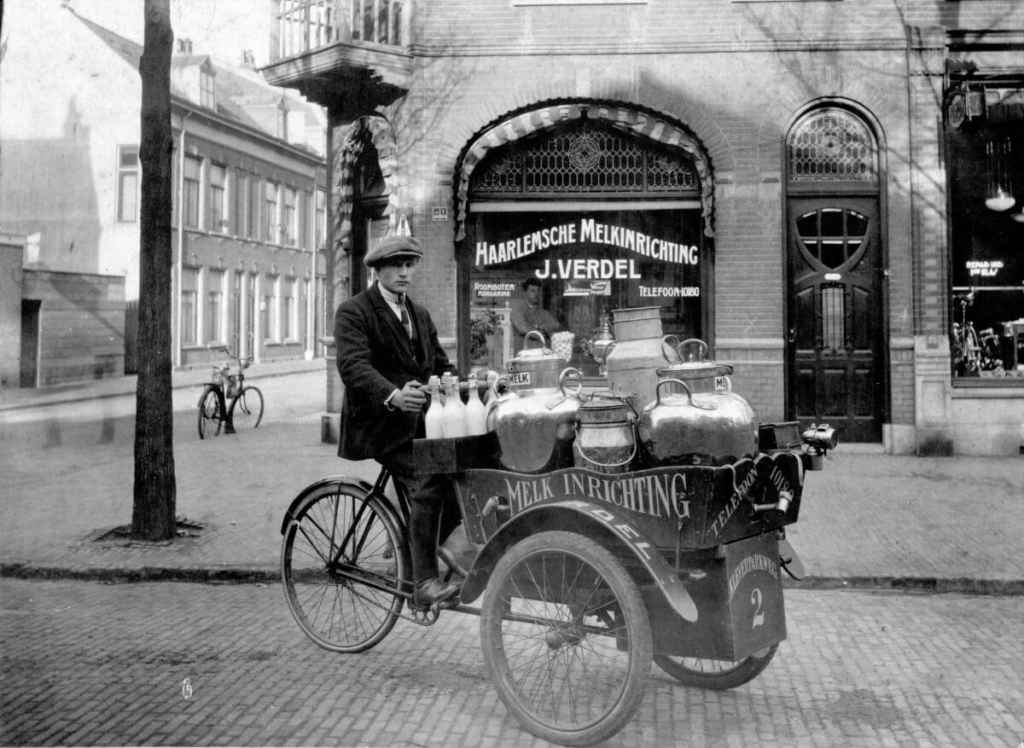
Cargo bikes, originating in the early 20th century in Europe, were initially used by tradesmen and postal services to transport goods efficiently. Over time, they evolved into a practical alternative to motor vehicles, gaining popularity in urban areas for their sustainability and cost-effectiveness.
A cargo bike is a specially designed bicycle built to carry heavy loads, passengers, or goods. Unlike regular bicycles, it features reinforced frames and dedicated cargo areas to accommodate various transportation needs. These bikes are known for their stability, durability, and ability to navigate congested city streets where cars may struggle. With the rise of e-mobility, electric cargo bikes have further enhanced carrying capacity and convenience, making them a preferred choice for businesses and families.
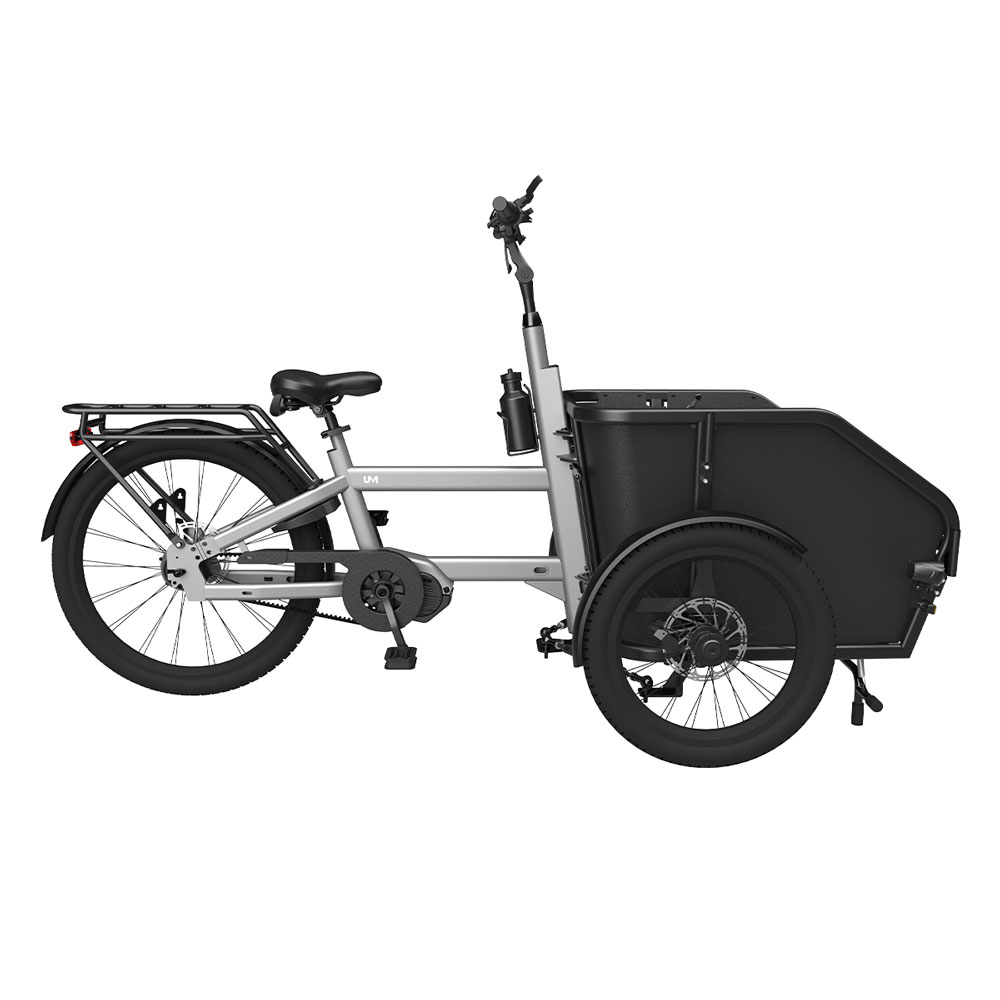
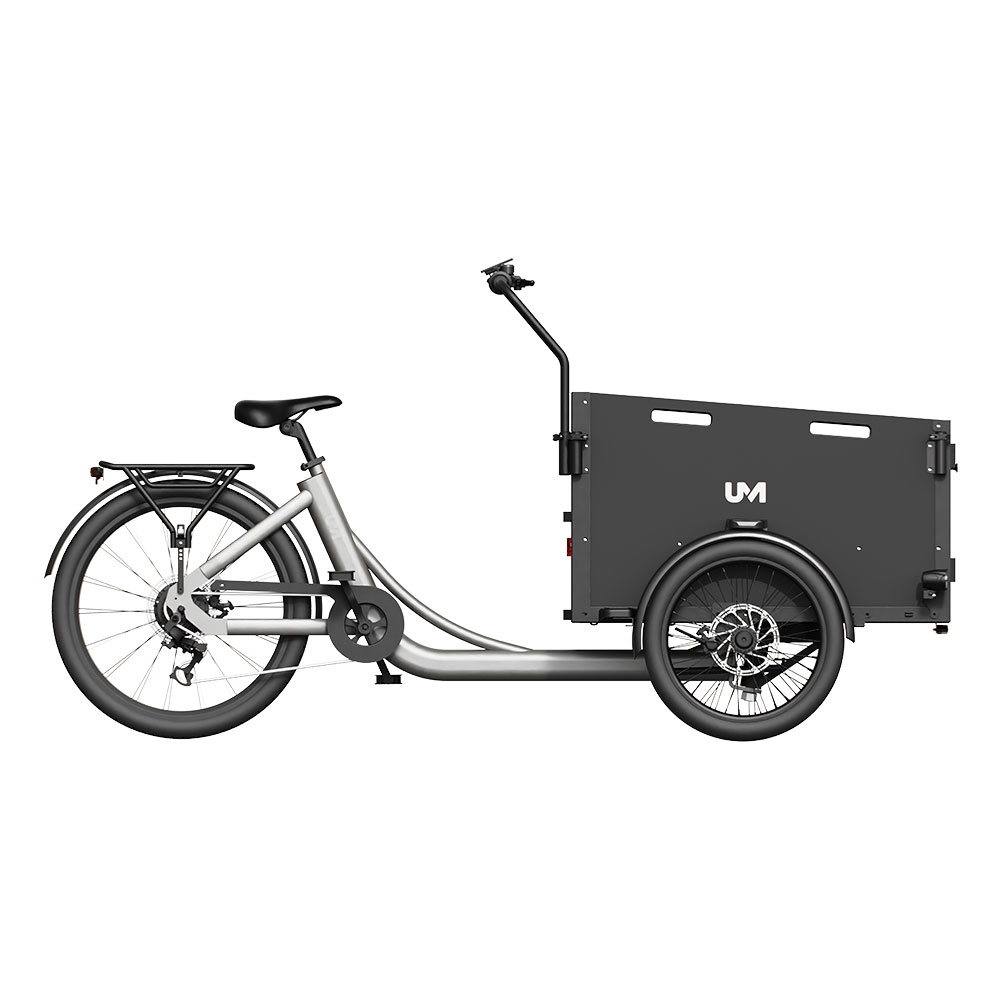
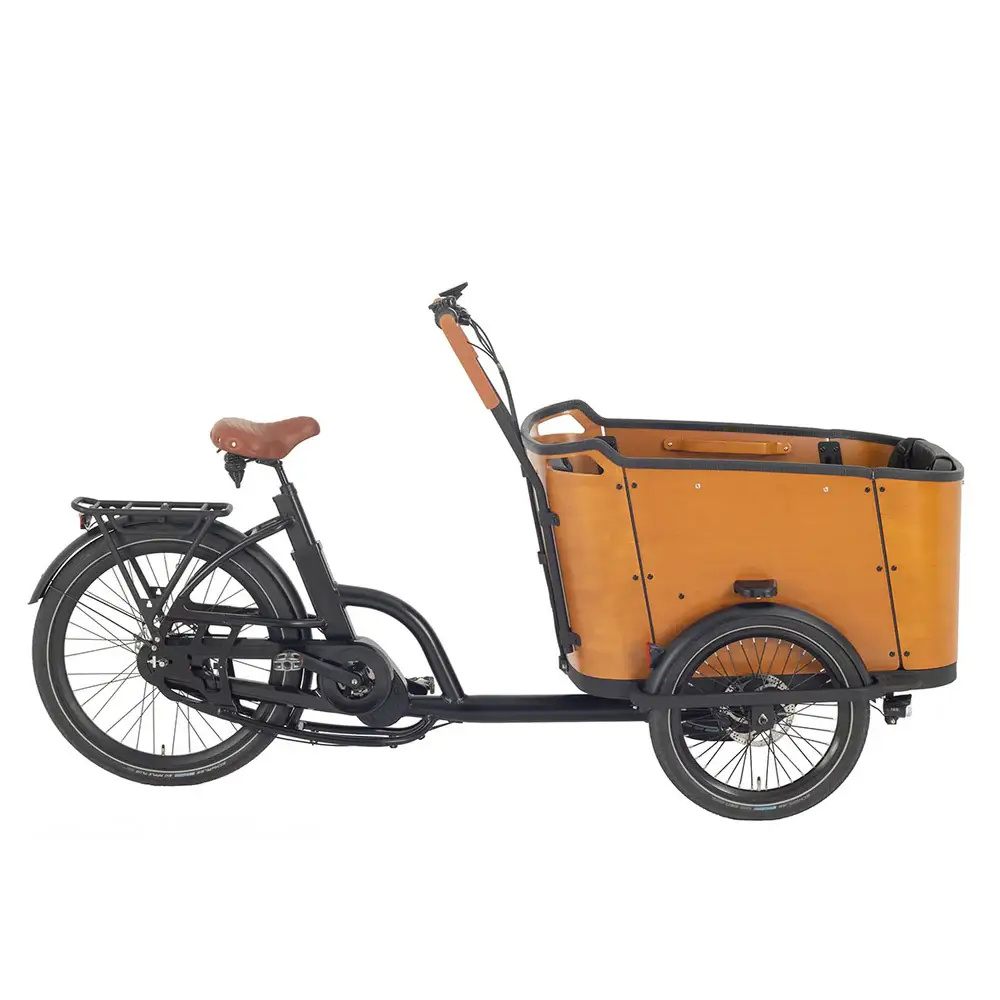
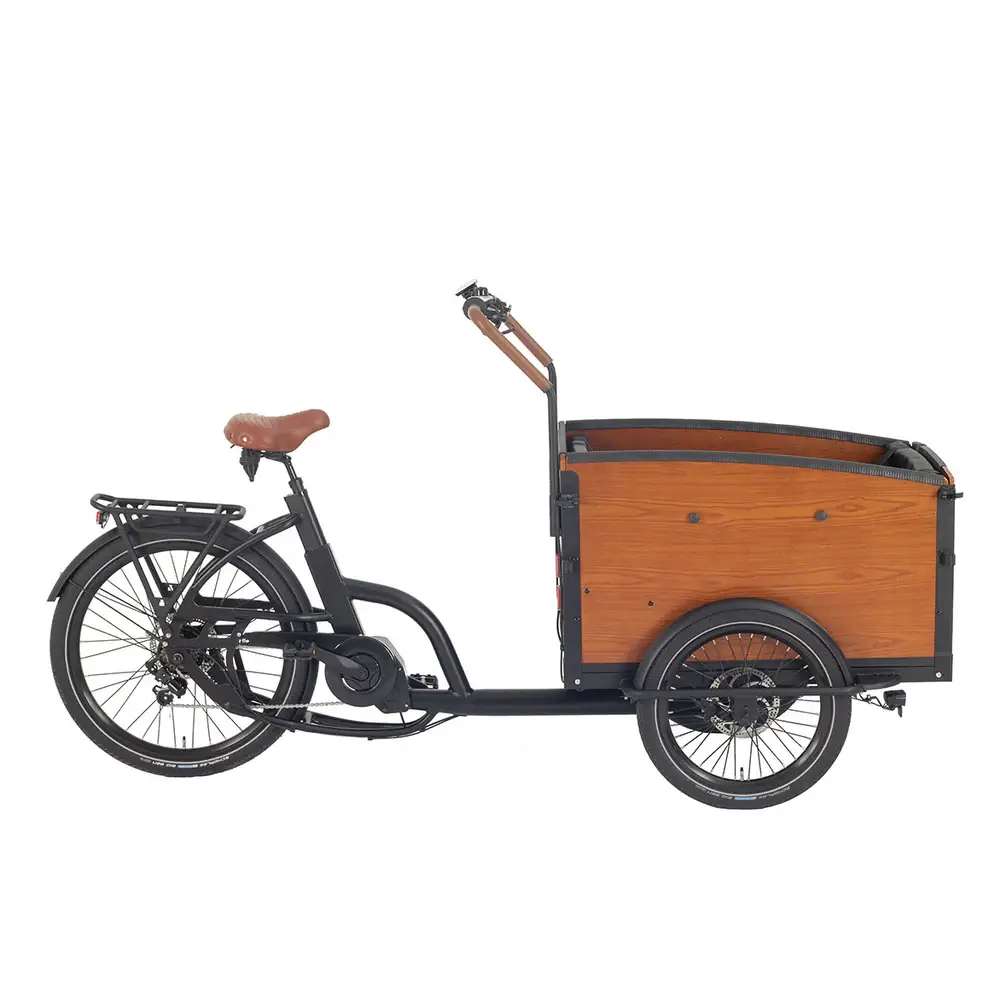
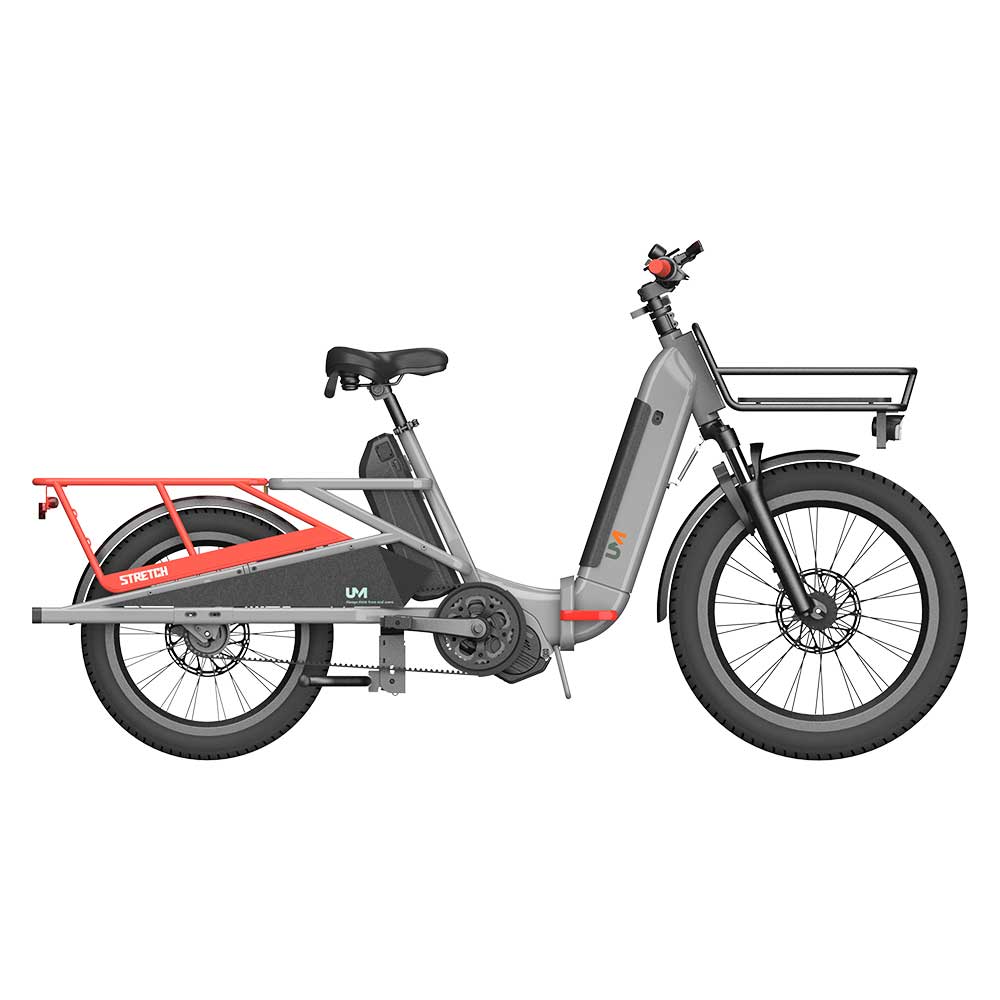
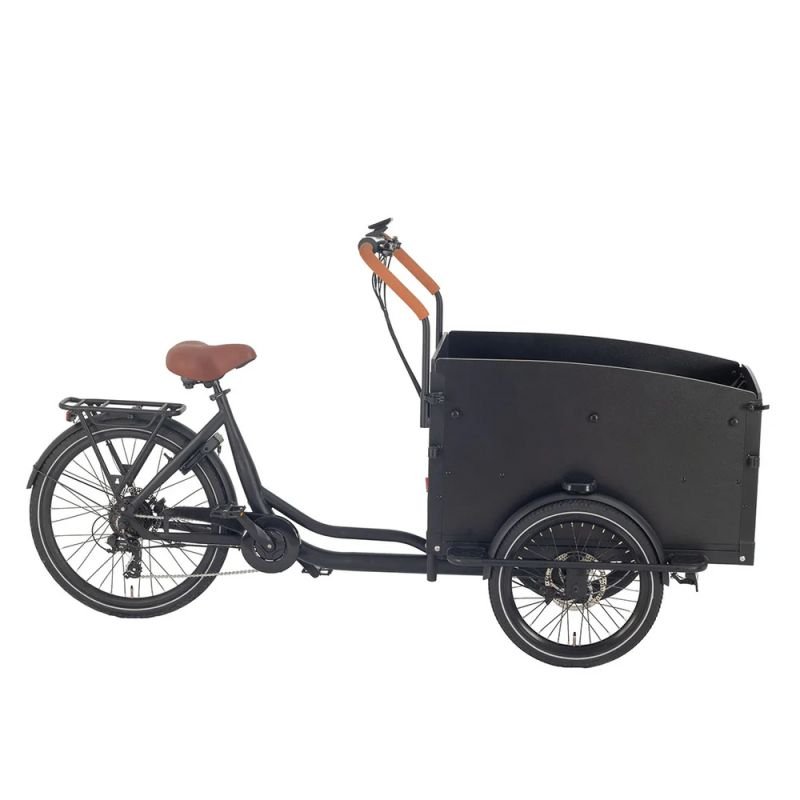
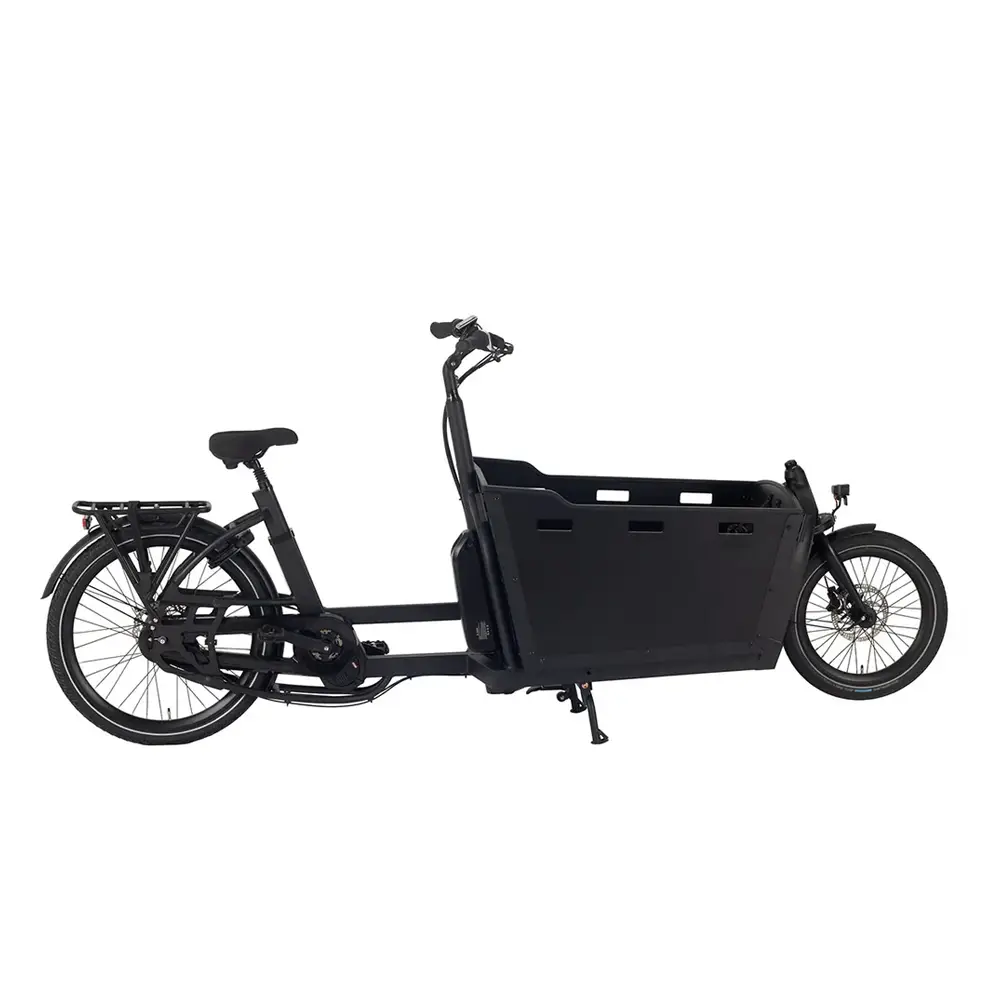
Cargo bikes come in several types, each designed for different purposes. Front-load cargo bikes, also known as bakfiets, have a large cargo box positioned in front of the rider, providing a clear view of the load. Long John bikes feature an extended frame with a low cargo deck between the handlebars and the front wheel, ideal for transporting children or bulkier goods. Short John bikes place a smaller cargo rack just in front of the handlebars, making them compact and practical for quick deliveries. Longtail bikes have an extended rear rack capable of carrying multiple passengers or cargo, offering a balance of agility and load capacity for urban commuting. These variations cater to a wide range of transportation needs, from personal mobility to commercial logistics.
Cargo bikes are widely used across industries and daily life. Businesses rely on them for last-mile delivery, reducing operational costs and environmental impact compared to motor vehicles. Food vendors and service providers customize cargo bikes into mobile shops, enhancing accessibility and customer engagement. Families use cargo bikes as an alternative to cars, enabling school runs, grocery shopping, and recreational outings in an eco-friendly manner. Municipalities and industrial sectors integrate cargo bikes into their operations for waste collection, park maintenance, and internal logistics. Their versatility, cost efficiency, and sustainability make cargo bikes an essential part of modern urban mobility solutions.
Tecnologia de mobilidade unida Inc.
Nosso Blog
Último Blog e Artigos
Discover more about the latest innovations, industry trends, and product introductions from the leader in Bike Industry.
EPR for E-Bike Importers in Europe: What You Actually Have to Register, and Where
Extended Producer Responsibility (EPR) is the set of EU and national rules that make the company placing a product on a market financially responsible for that product's end of life. If you import e-bikes, e-cargo bikes or electric trikes into a European country under your own brand, that company is you — not your manufacturer. This guide explains the three obligation streams that apply to electric bikes, the 2025–2027 regulatory timeline, and what to sort out before your first container lands. Official sources used in this guide — bookmark these; every claim below can be checked against them: WEEE Directive 2012/19/EU — scope, exclusions, producer definition (Art. 2–3) EU Battery Regulation (EU) 2023/1542 — battery EPR, LMT category, battery passport Packaging & Packaging Waste Regulation (EU) 2025/40 (PPWR) — applicable from 12 August 2026; the ELI text is the only legally authoritative version European Commission...
Semi-Recumbent vs Upright Electric Trike: Building a US Range
Semi-recumbent vs upright electric trike is usually discussed as a rider preference. For anyone building a US range it is not a preference question at all — it is a channel question, and getting it wrong costs more than a wrong colourway. The two formats attract different buyers, at different prices, through different retail environments, with different documentation attached. Stocking one and assuming it covers the other is the most common assortment error in this category. This article sets out how to split a US range between them, and what each format has to be engineered to do. Three conclusions up front: They are not two versions of one product. They differ in seating geometry, centre of gravity, price tolerance and — decisively — where the sale happens. Most US ranges need both, weighted. Upright covers volume and familiarity; semi-recumbent covers...
Electric Trike Stability Engineering: Designing Out Tip-Over
Electric trike stability engineering is the part of this category that marketing talks around and physics does not. A three-wheeled cycle is bought to remove a fall risk — and a poorly designed one introduces a different one: it can lift a wheel and roll over in a turn. Read US owner feedback across the category and this appears often enough, across enough suppliers, to be a category-level design failure rather than an isolated defect. It is also entirely predictable from geometry, which means it is preventable at the drawing stage. This article sets out the physics of trike rollover, the numbers that predict it, and the specific decisions that engineer it out — written for the people who specify and source these products, not the people who ride them. Three conclusions up front: Rollover is geometric, not accidental. A single...