Electric Cargo Bikes Manufacturer

Qualified By:

EU Standards and certificate needed for cargo e bike

Versatile Electric Cargo Bikes for Every Business Need

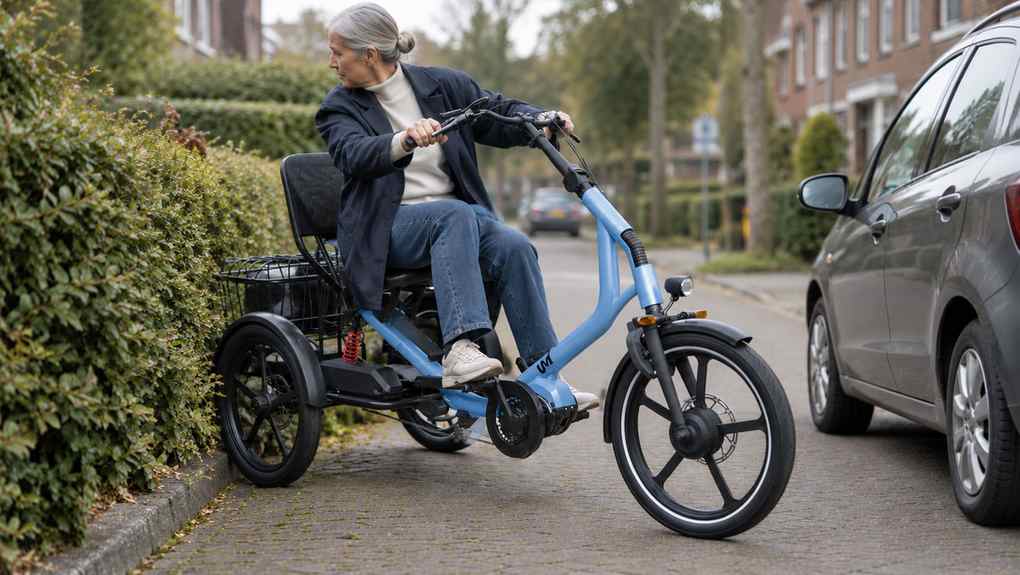
As a leading B2B cargo bike manufacturer with nearly 20 years of industry experience, we specialize in delivering reliable, customizable solutions for logistics, retail, urban transport, and family mobility. From compact family bikes, selected three-wheeled cargo bikes and electric tricycles, our product range is designed to adapt to diverse operational needs and regional market preferences.

Explore the models below to find the right fit — or contact us for tailored OEM & ODM support.

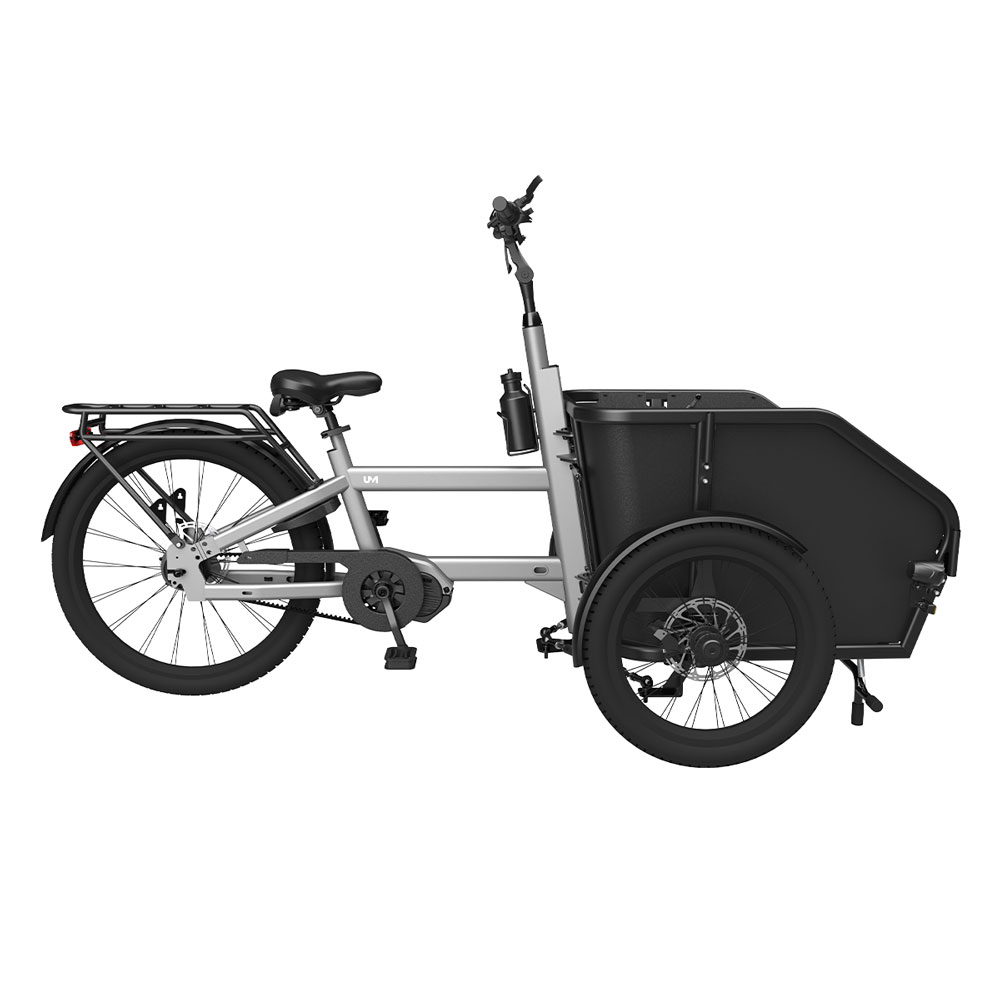
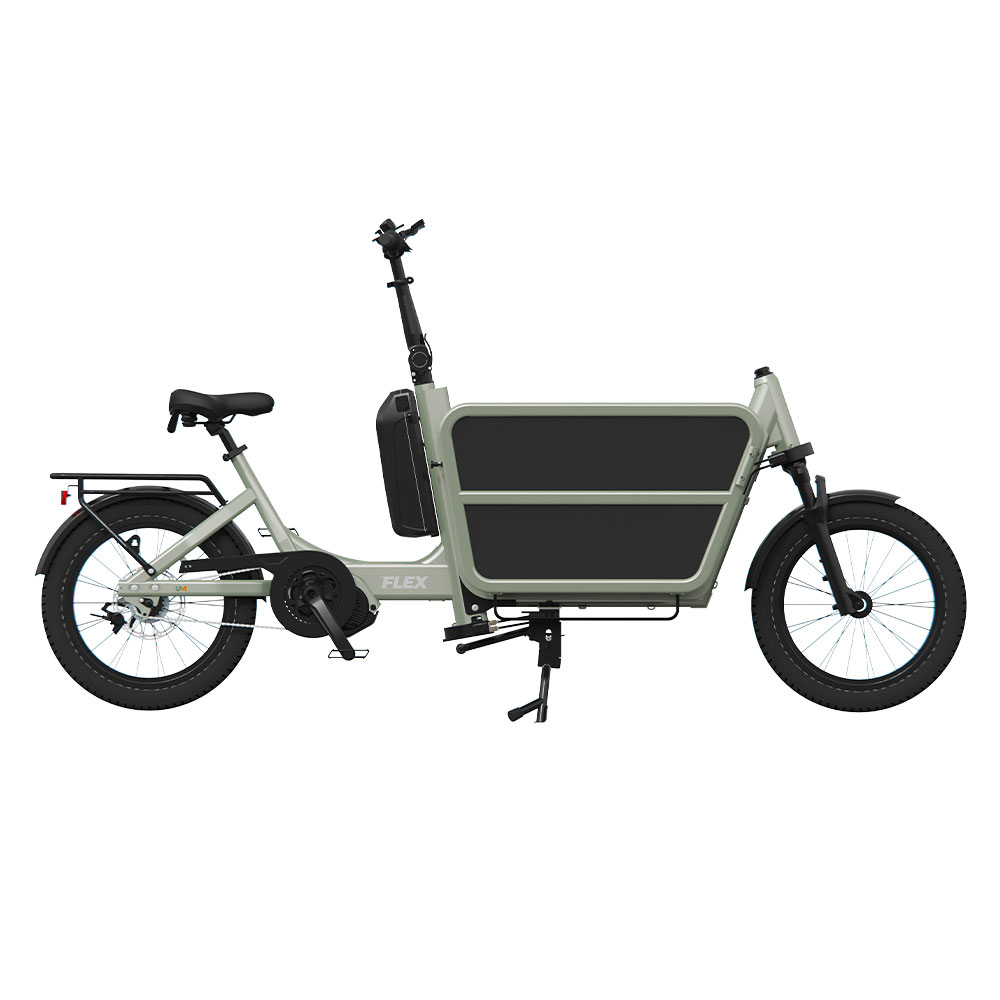
um flex

UM Flex

Front cabin swapped in seconds — pull to release, drop to lock. Built on a lightweight aluminum platform with cable steering, front suspension, and a low step-through frame, FLEX handles like a city bike and carries like a cargo bike.
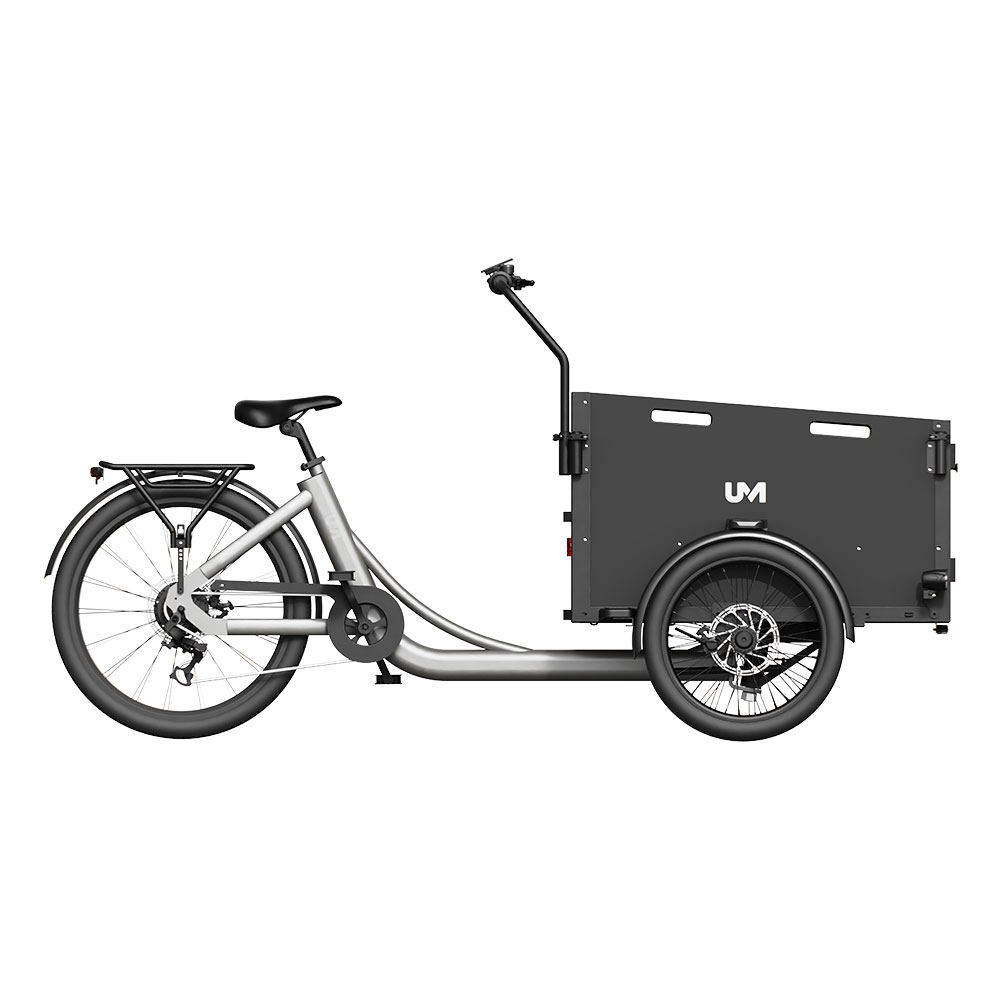
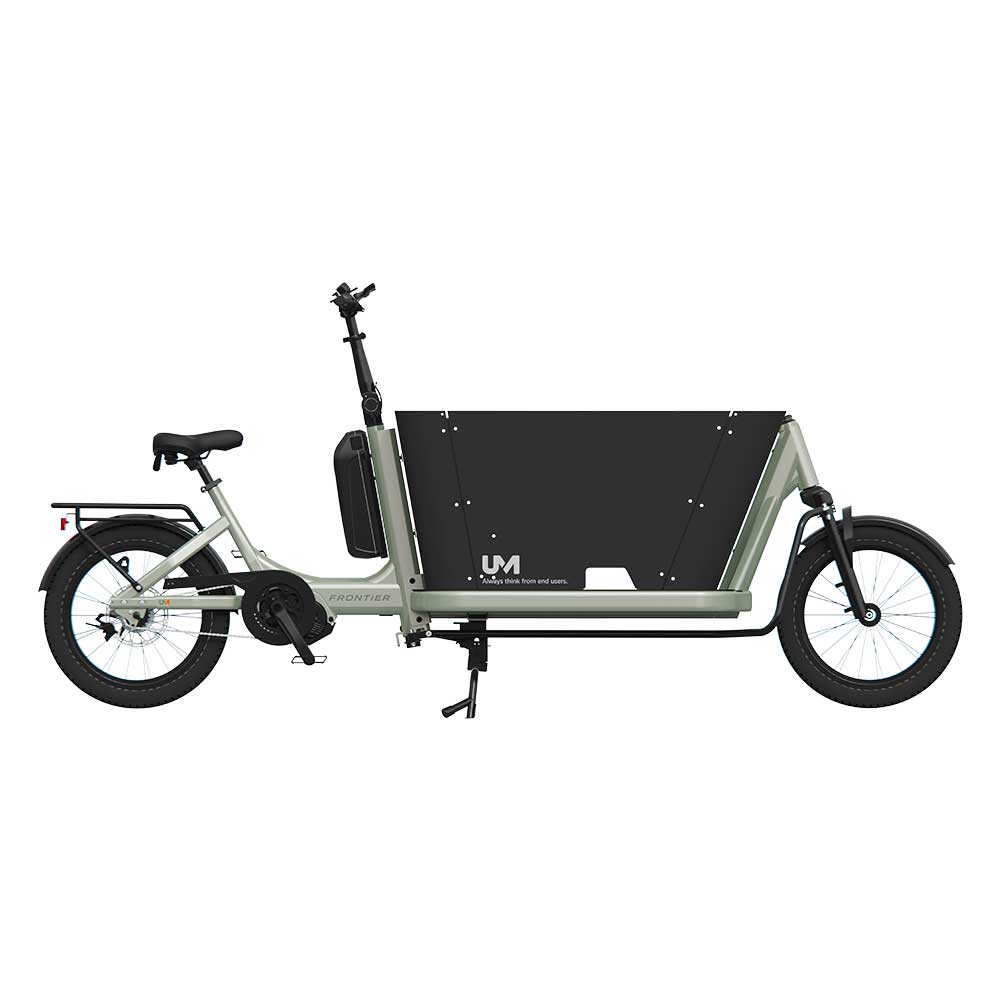
um frontier

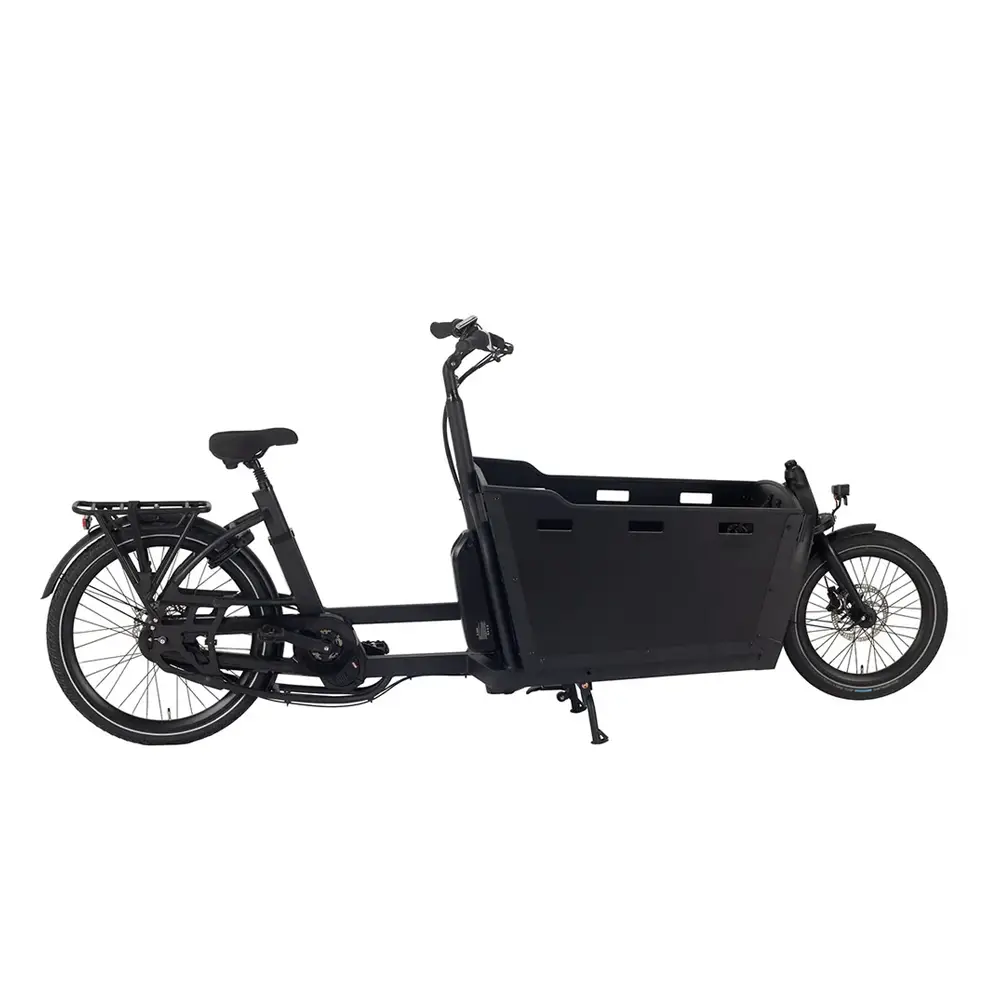
UM Frontier

A commercial-grade long-john electric cargo bike built for operators who measure success in runs per day. Reinforced modular frame, 340-litre lockable weatherproof cargo box, dual-battery range, one-touch electronic reverse and more...
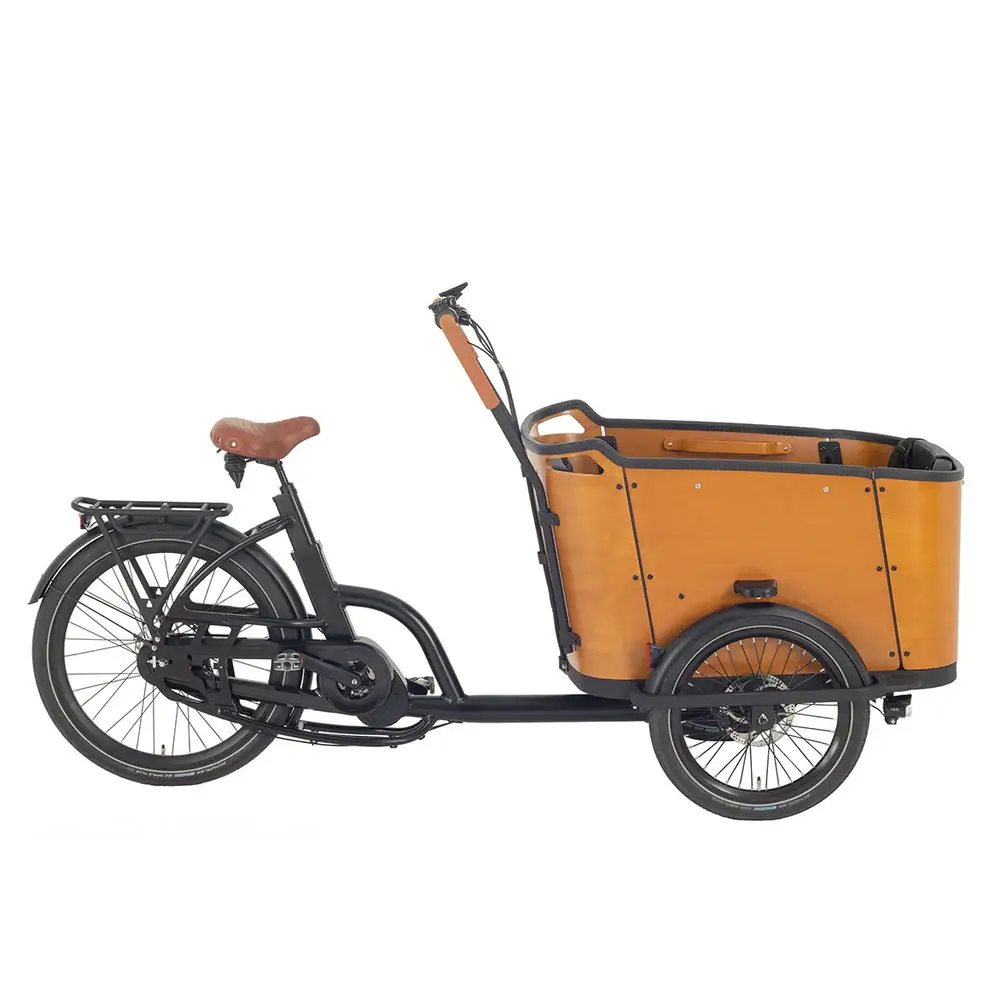
Tadpole electric cargo bike Flow for Family Use

UM Flow

Featuring a low center of gravity and compact design, Flow offers superior balance and agile handling, even when fully loaded.
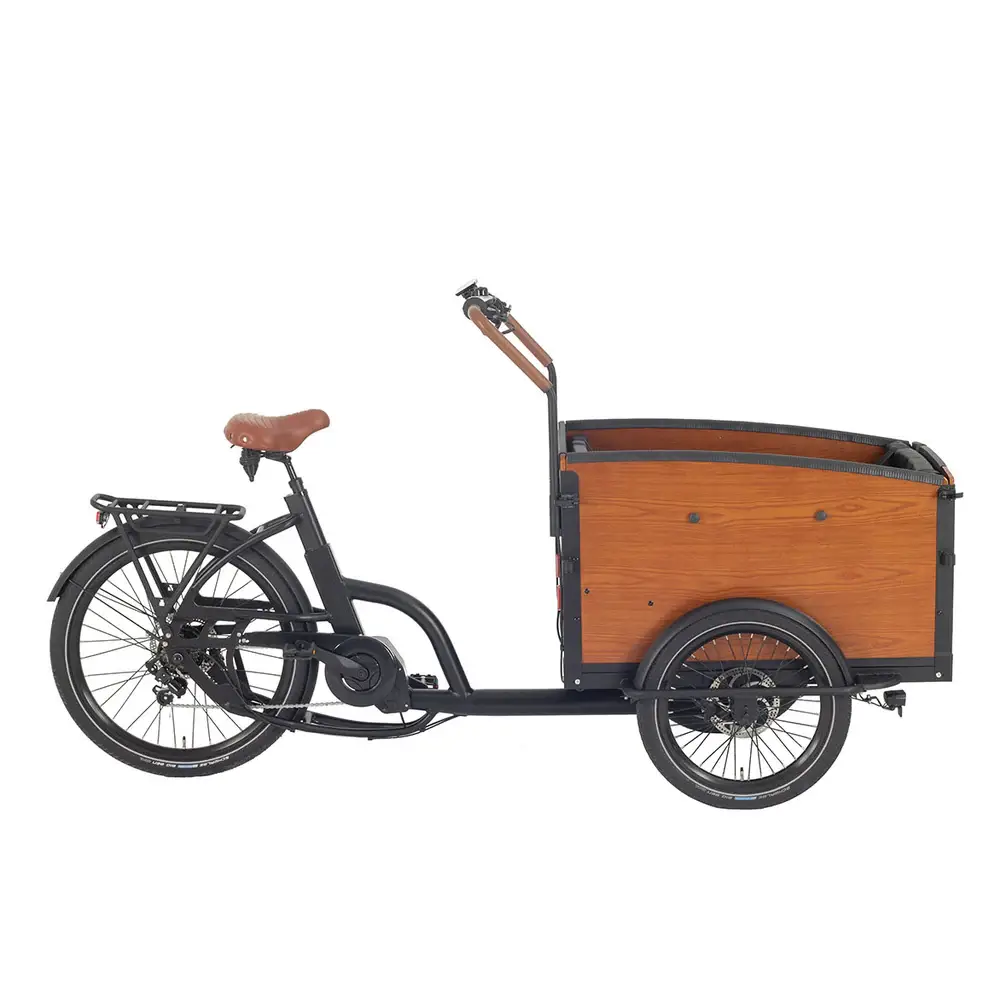
large-capacity family cargo bike um se

UM SE

Extra-large capacity, fitting up to 4 children. Your first step into cargo biking simple, reliable, and ready for any daily task.

Family C

Affordable family adventures, designed for everyday convenience without compromising comfort.

Family S

Elevate your ride with premium comfort and luxury, perfect for families seeking the best.
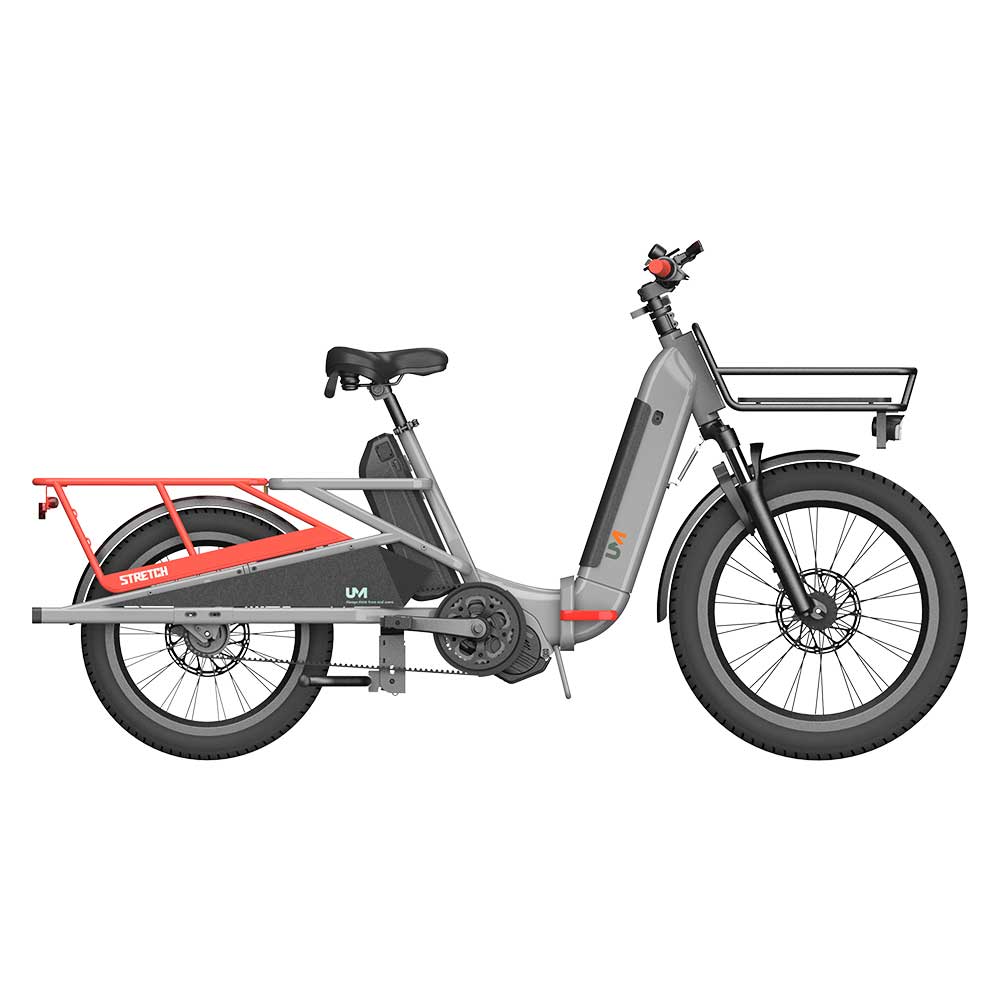
longtail cargo bike stretch-1

Stretch

Lightweight, foldable, and built for everyday utility — the STRETCH longtail e-cargo bike combines sleek design with high-capacity transport.
Starter1

Starter

A classic, no-fuss cargo bike—stable, durable, and built for everyday use.

Basalt

Speed and agility combined — the two-wheeled cargo bike that cuts through the city with ease.
Family Transportation

Family Friendly Transport

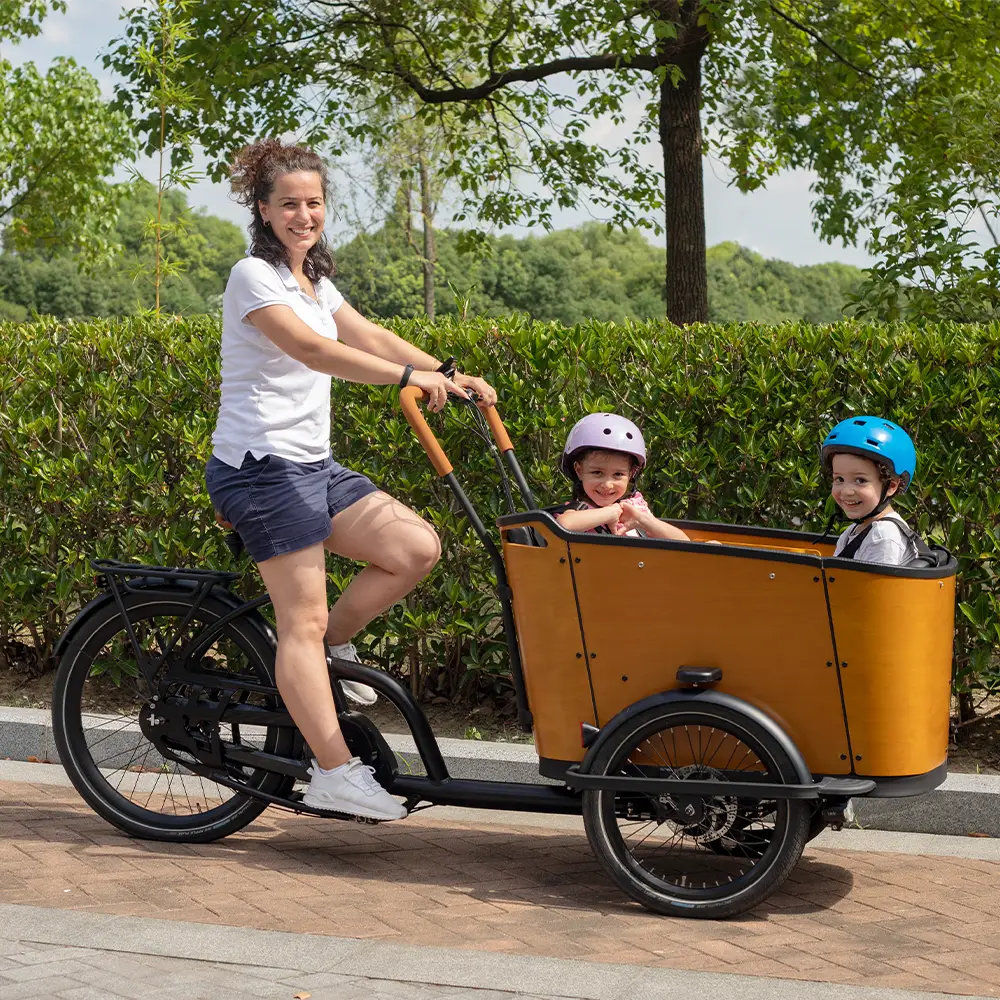
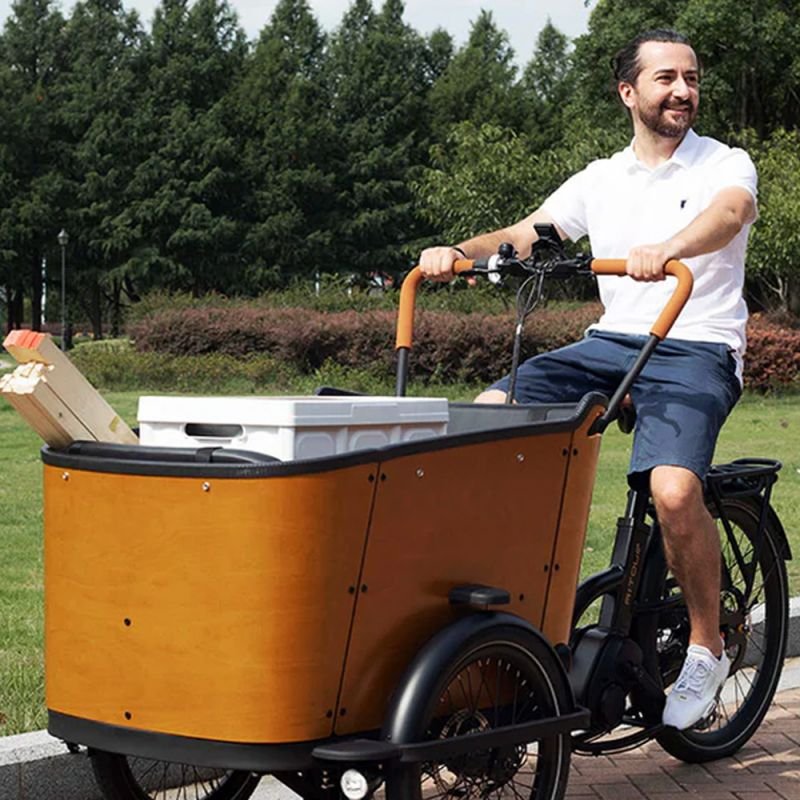
Ideal for families on the go, our cargo bikes make school runs, grocery trips, and weekend adventures a breeze. With seating for kids, a weatherproof rain cover, and safety-focused design, it’s the ideal family bike for urban life. Enjoy a smooth, fun ride while reducing your carbon footprint.

electric cargo bikeelectric cargo bike
bike with packageFamily C场景5
Parcel Delivery

Efficient Last-mile Logistics.

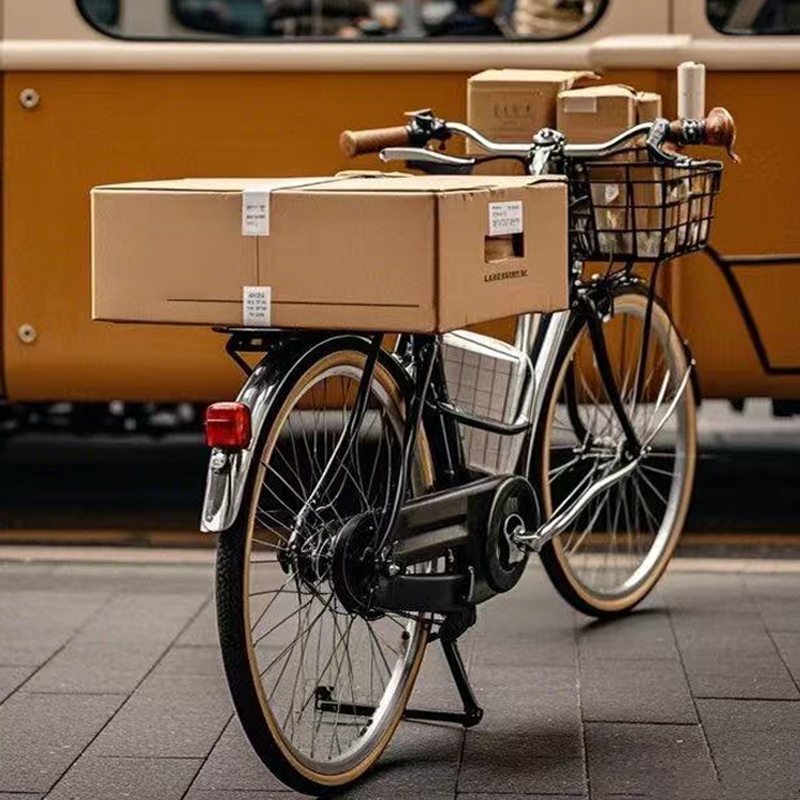
Designed for urban delivery professionals, our cargo bikes provide an efficient, sustainable alternative for post and parcel transport. With a spacious cargo box, electric assistance, and excellent maneuverability, they’re perfect for navigating busy city streets. Say goodbye to parking hassles and hello to timely, reliable deliveries. Want to quantify the environmental upside? Use our cargo bike CO2 savings calculator to estimate the tonnes of CO2 your fleet could cut each year.

Installation, Transportation

Facility Service Support

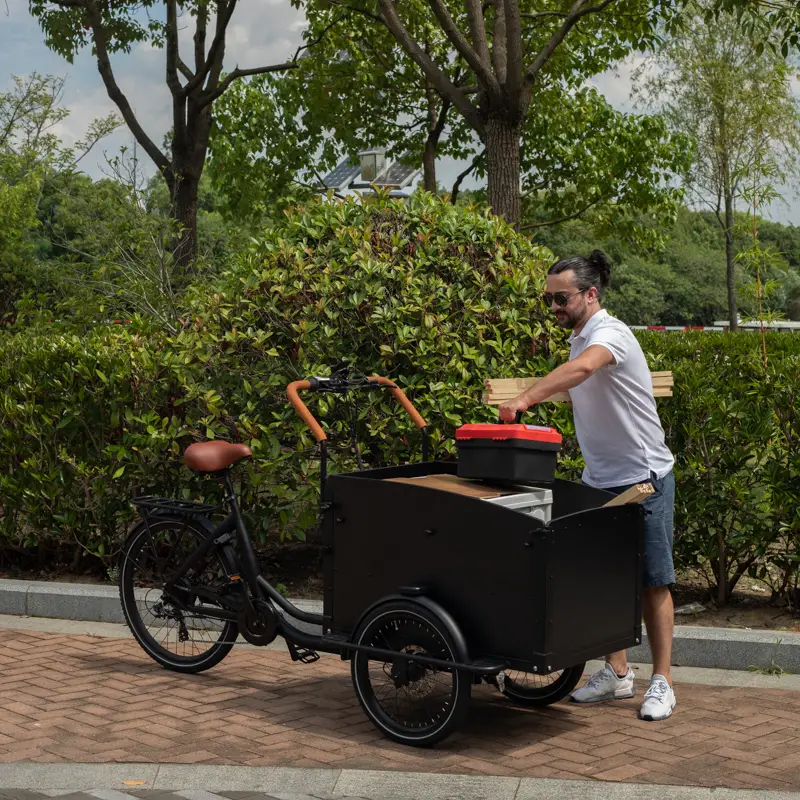
Built for campuses, parks, industrial sites, and municipal operations, our electric cargo bicycles support daily facility services with quiet operation and flexible load capacity. From maintenance tools to cleaning equipment and on-site logistics, these bikes streamline internal transport while reducing operational costs and emissions. Backed by practical electric cargo bike design and scalable configurations, we support partners seeking a reliable ODM electric bike for cargo utility—adaptable to different service scenarios without overengineering. 

{"aigc_info":{"aigc_label_type":0,"source_info":"dreamina"},"data":{"os":"web","product":"dreamina","exportType":"generation","pictureId":"0"}}Starter场景8

As A Bike Factory, We Can Offer More Than These

Cargo Bike Solution Cases

  • Food and Beverage Delivery

    Meal delivery, hot food transport, insulated cargo box, restaurant delivery, cafe logistics.

  • Retail and Market Deliveries

    Local business delivery, farmers’ market logistics, small business transport, retail goods, artisan deliveries.

  • Postal Services

    Mail delivery, postal bike, urban postal routes, small package delivery, efficient mail transport.

  • Cargo Bike Sharing

    Shared rental of cargo bikes for businesses/individuals, covering delivery, vending, logistics, etc.

  • Mobile Vending

    Food cart bike, mobile coffee stall, street vending, ice cream bike, pop-up shop transport.

  • Hotel Linen Transport

    Housekeeping supplies, linen delivery, hotel logistics, laundry transport, service bike.

  • Event Equipment Transportation

    Event logistics, venue transport, portable equipment, event setup bike, material delivery.

Have a really
great ides?

OEM/ODM Service

We specialize in fully customizable e-bikes, cargo bikes to match your unique specifications. With dedicated design and R&D teams, we deliver innovative and high-quality solutions tailored to your market.

Warranty Service

We ensure long-lasting performance and reliability. No worry about the after-sale service. Our commitment to quality means every product is backed by strict testing and certification.

Customer Support

Our responsive customer service team is here to assist you at every step, from pre-sales inquiries to after-sales support. With a 24-hour and 7 days a week response time, we prioritize your satisfaction and success.

Leave A Message

Tell Us Your Demand

Our experienced team is ready to provide tailored solutions to support your business growth.

Enhance Your Brand with Custom E-Cargo Bike Designs

Reliable Transport Made Simple

Definition, Types, Application

What is e-Cargo Bike?

Cargo bikes are bicycles designed for carrying heavy loads, goods, or passengers, featuring reinforced frames and specialized cargo areas. They provide a sustainable and efficient alternative to cars, especially in urban environments.

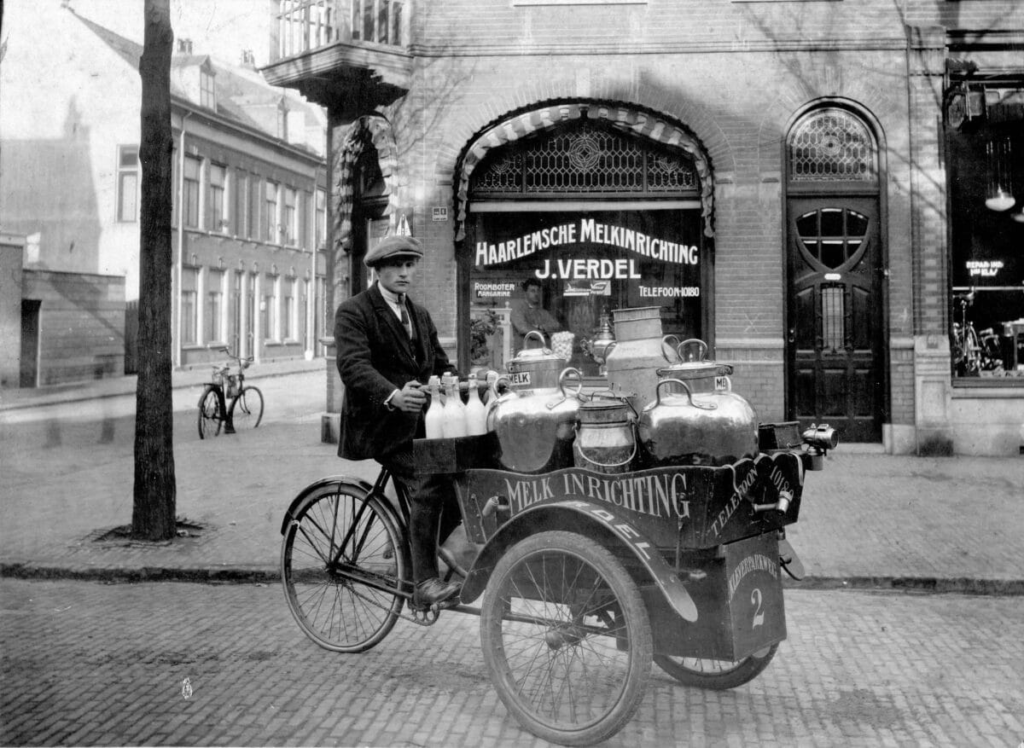
Cargo bikes, originating in the early 20th century in Europe, were initially used by tradesmen and postal services to transport goods efficiently. Over time, they evolved into a practical alternative to motor vehicles, gaining popularity in urban areas for their sustainability and cost-effectiveness.

A cargo bike is a specially designed bicycle built to carry heavy loads, passengers, or goods. Unlike regular bicycles, it features reinforced frames and dedicated cargo areas to accommodate various transportation needs. These bikes are known for their stability, durability, and ability to navigate congested city streets where cars may struggle. With the rise of e-mobility, electric cargo bikes have further enhanced carrying capacity and convenience, making them a preferred choice for businesses and families.

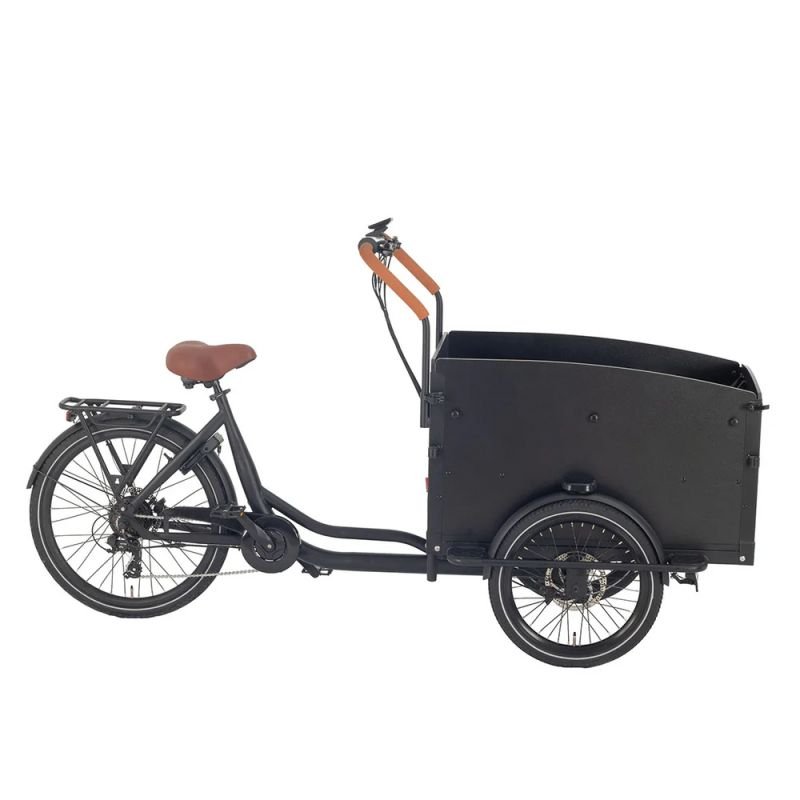
Cargo bikes come in several types, each designed for different purposes. Front-load cargo bikes, also known as bakfiets, have a large cargo box positioned in front of the rider, providing a clear view of the load. Long John bikes feature an extended frame with a low cargo deck between the handlebars and the front wheel, ideal for transporting children or bulkier goods. Short John bikes place a smaller cargo rack just in front of the handlebars, making them compact and practical for quick deliveries. Longtail bikes have an extended rear rack capable of carrying multiple passengers or cargo, offering a balance of agility and load capacity for urban commuting. These variations cater to a wide range of transportation needs, from personal mobility to commercial logistics.

Cargo bikes are widely used across industries and daily life. Businesses rely on them for last-mile delivery, reducing operational costs and environmental impact compared to motor vehicles. Food vendors and service providers customize cargo bikes into mobile shops, enhancing accessibility and customer engagement. Families use cargo bikes as an alternative to cars, enabling school runs, grocery shopping, and recreational outings in an eco-friendly manner. Municipalities and industrial sectors integrate cargo bikes into their operations for waste collection, park maintenance, and internal logistics. Their versatility, cost efficiency, and sustainability make cargo bikes an essential part of modern urban mobility solutions.

Our Blog

Latest Blog & Articles

Discover more about the latest innovations, industry trends, and product introductions from the leader in Bike Industry.

Electric Trike With Reverse: The Spec That Closes Sales

An electric trike with reverse is not a convenience feature. It is the line that removes a buyer's pre-purchase fear — the moment they imagine a dead end, a lift, or a parking bay and realise they cannot shove 55 kg backwards by hand. Reverse costs little, is limited to walking pace, and is only possible with a hub motor in the driveline. Specify it before you specify colours. First, a disambiguation: reverse function, not reverse layout In English the phrase "reverse trike" usually means a layout — two wheels at the front, one at the back, what the industry calls a tadpole. This article is about none of that. An electric trike with reverse means a vehicle that can drive itself backwards under motor power, and the layout it most often appears on is the opposite one: a delta, with...
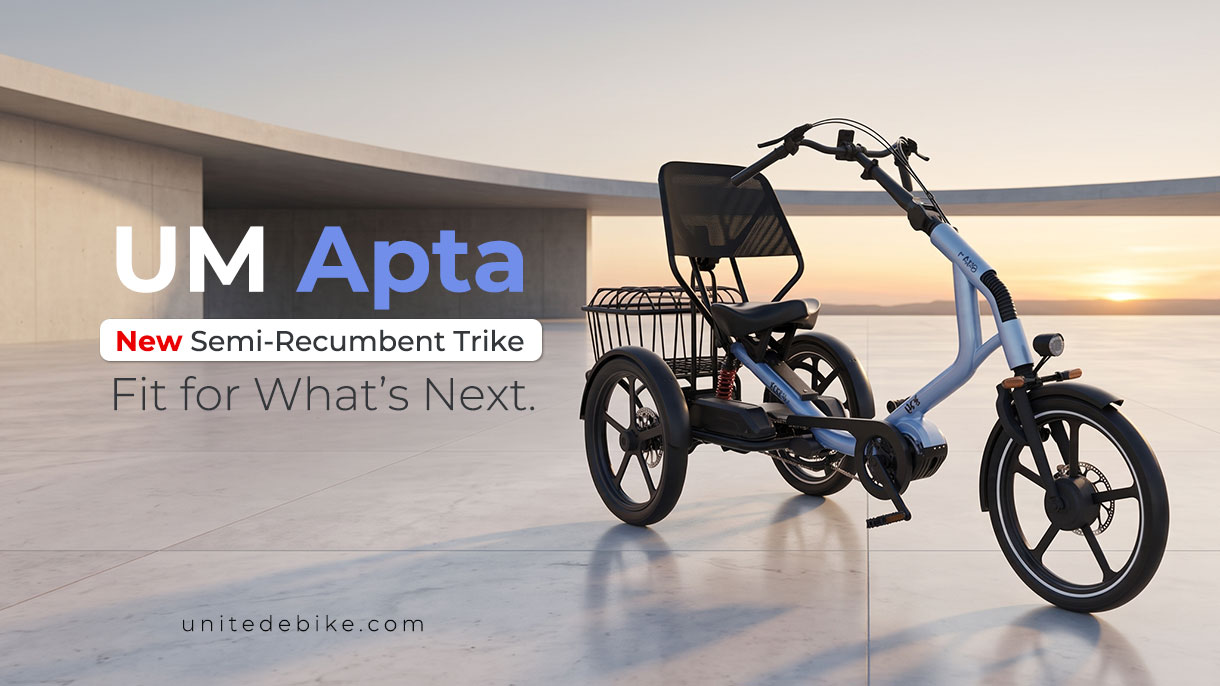
Dual Motor Electric Trike: Why the UM Apta Splits the Job in Two

Short answer: The UM Apta carries two motors that never run at the same time. A 120 N·m mid-drive handles every forward metre through an internally geared hub; a separate front hub motor handles reverse on a button. That is not a compromise on all-wheel drive — it is the answer to a coordination problem that stops most mid-drive trikes from reversing at all, which is where senior trike sales quietly die. Why an electric trike with reverse exists at all Watch a trike demonstration end badly and it is almost never about power. The rider manages the hill. What defeats them is a parking bay, a lift, or the end of a narrow garden path — the moment the vehicle has to go backwards. A 55 kg trike with a seated rider cannot be shoved backwards by that rider. On...
Hub Motor vs Mid Drive Trike: Which Wheel Gets the Torque

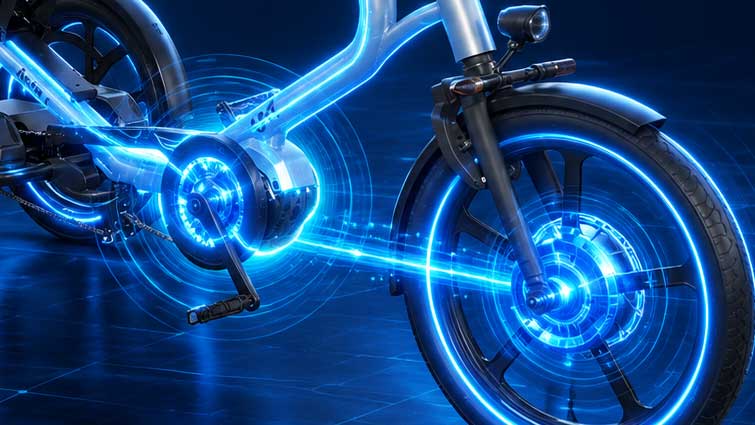
Short answer: On two wheels this is a preference. On three it is a structural decision. A trike carries two wheels on one axle, so where the motor sits decides whether a differential will fit, whether the vehicle can reverse under power, and which wheel breaks traction first. Most published comparisons answer the bicycle question. This is the trike version, for people writing a specification. Why the bicycle answer does not transfer Two things change the moment you add a third wheel, and both are geometric rather than electrical. The first is layout. The industry splits trikes into delta — one wheel at the front, two at the rear — and tadpole, two at the front and one at the rear. As the standard description of tricycle drive arrangements sets out, delta trikes sit higher and turn tighter, while tadpoles usually...

en_USEnglish