
O sucesso ou fracasso de uma frota de bicicletas de carga para programas de compartilhamento depende de duas decisões tomadas muito antes do lançamento: qual bicicleta escolher e qual fábrica a produzirá. O aplicativo, as cores da marca e o comunicado de imprensa importam muito menos do que a capacidade de cada unidade sobreviver a milhares de viagens de desconhecidos, ser localizada em caso de perda e ser reparada com peças que você realmente possa manter em estoque. Se você está planejando uma frota compartilhada de bicicletas de carga elétricas — para ruas da cidade, entrega de comida ou um resort panorâmico — este guia ignora a visão geral do programa que a maioria dos artigos aborda e vai direto ao ponto: hardware e fornecedores ODM (fabricantes originais) que determinam se sua frota terá sucesso ou fracassará.
Por que as bicicletas de carga elétricas compartilhadas estão se popularizando na Europa?
O sinal da procura já não é subtil. Estima-se que o mercado europeu de bicicletas de carga elétricas movimente cerca de US$ 1,21 bilhão em 2026 e a previsão é de que alcance aproximadamente US$ 1,46 bilhão em 2031., de acordo com Inteligência de Mordor. Dentro disso, A entrega comercial já representa cerca de 54,71 trilhões de dólares do mercado de 2025, enquanto os provedores de serviços são o segmento de uso final que cresce mais rapidamente, com uma taxa de crescimento anual composta (CAGR) de aproximadamente 6,251 trilhões de dólares. — e “prestadores de serviços” é exatamente onde se encaixam as empresas de compartilhamento, frotas de aluguel e serviços de bicicletas de carga.
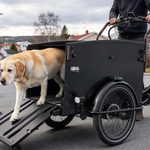
Os casos de uso também se expandiram muito além do modelo inicial de "estacionar uma bakfiets em uma praça residencial". Hoje, as bicicletas de carga para programas de compartilhamento aparecem em pelo menos quatro cenários distintos, e cada um exige algo diferente do hardware:
- Compartilhamento municipal e residencial baseado em ruas — famílias e moradores pegando uma bicicleta para levar os filhos à escola ou para as compras semanais. Este é o clássico. sistema municipal de compartilhamento de bicicletas de carga modelo, e a bicicleta tem que servir para um adulto de 1,55 m e um de 1,90 m no mesmo dia.
- Entrega de alimentos e encomendas no último quilômetro — entregadores e motoboys que percorrem de 40 a 80 km de bicicleta diariamente e precisam, acima de tudo, de disponibilidade. (Para entender os aspectos econômicos disso, veja nossa análise do Bicicleta elétrica de carga para entregas de última milha.)
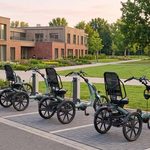
- Aluguel de imóveis com vistas panorâmicas, resorts e campus universitários. — turistas, hóspedes de hotéis e visitantes de parques que nunca andaram de bicicleta de carga antes, compartilhando uma frota que precisa ser rastreável contra roubo e à prova de idiotas para montar.
- Frotas compartilhadas corporativas e logísticas — frotas internas compartilhadas onde um único SKU precisa abranger vários tipos de trabalho.
O elo que liga os quatro: o operador está comprando um ativo da frota, Não se trata de um brinquedo para o consumidor. Isso muda completamente as especificações.
O que uma frota compartilhada de bicicletas de carga elétricas realmente precisa
Eis a parte que os concorrentes raramente mencionam. Uma bicicleta de carga familiar de varejo e uma de nível profissional podem parecer idênticas em uma foto, mas apresentar comportamentos completamente diferentes após 1.000 ciclistas anônimos. A diferença reside nos componentes e na facilidade de manutenção, não na aparência.
| Especificação | bicicleta de carga de nível comercial | Nível de frota para programas de compartilhamento |
|---|---|---|
| Roubo e recuperação | Fechadura opcional | Rastreamento integrado (software/GPS ou AirTag), travamento com um toque, compatibilidade com ABUS. |
| Estratégia de bateria | Pacote único fixo | Bateria intercambiável ou dupla para rotas longas e rotação entre depósitos. |
| Pneus | Padrão | Resistentes a perfurações, com capacidade de carga, refletivos — menos falhas na estrada. |
| Ajuste do ciclista | Cabine fixa | Avanço e espigão de selim com altura ajustável para que qualquer ciclista se adapte em segundos. |
| Segurança na montagem | Descanso lateral padrão | Entrada baixa + suporte de um toque para carregamento sem usar as mãos |
| Peças e serviços | O que quer que o revendedor tenha em estoque | Peças sobressalentes padronizadas, fornecidas de fábrica, para manutenção previsível. |
| Certificação e garantia | 1–2 anos | Conformidade com as normas CE / TÜV / E-MARK, garantia de 2 a 8 anos para as peças principais. |
Se uma especificação à esquerda não suportar um ambiente de uso compartilhado, ela se torna um chamado de manutenção — e é nos chamados de manutenção que as margens de lucro do compartilhamento de frotas desaparecem silenciosamente. É também por isso que comprar diretamente do fabricante é melhor do que comprar marcas de varejo por meio de um distribuidor: você controla a especificação. e a cadeia de suprimentos de peças de reposição.
Adequação da bicicleta ao cenário: duas plataformas prontas para frotas
Do ponto de vista do fabricante, a informação mais útil que podemos fornecer a um operador é qual bicicleta é mais adequada para cada necessidade. Duas plataformas da United Mobility atendem à maioria das solicitações de programas de compartilhamento que recebemos.
UM Flex — o carregador frontal modular para frotas mistas de bicicletas de rua e resorts.
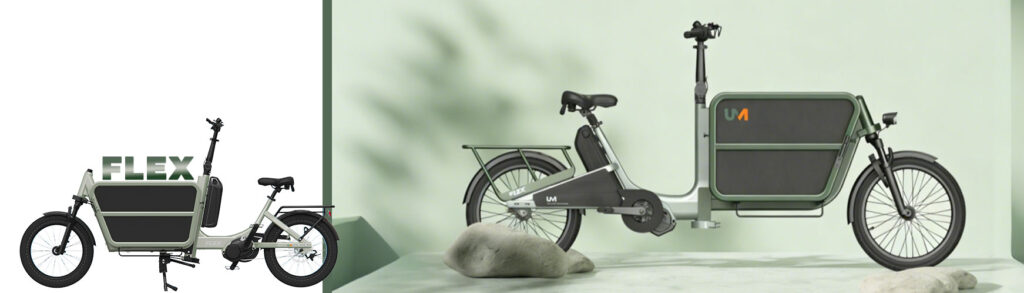
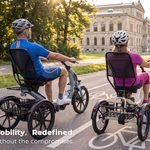
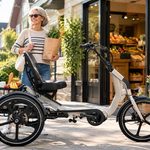
O Bicicleta de carga modular UM Flex Foi desenvolvido para resolver o problema mais complexo em frotas compartilhadas: Cada motociclista é diferente e cada viagem é diferente. Isso é mesa e canote de selim com altura ajustável Isso significa que uma bicicleta da frota pode ser reajustada de um ciclista baixo para um alto em segundos — uma realidade diária em qualquer sistema de compartilhamento, e algo que as bicicletas de varejo com cockpit fixo simplesmente não conseguem fazer. plataforma modular de alumínio Alterna entre configurações para cadeirinhas de criança, carga, animais de estimação e camping em uma única estrutura, permitindo que um resort ou operador urbano utilize um único SKU em vários perfis de aluguel, em vez de um catálogo fragmentado.
Especificamente para uso compartilhado, três detalhes adicionais se fazem necessários: um Quadro baixo com suporte de um toque para acionamento sem as mãos. (Qualquer pessoa, mesmo sem experiência, pode montar e carregar com segurança), Integração AirTag FindMy Assim, uma bicicleta pode ser localizada, esteja ela estacionada em frente a uma escola ou deixada no início de uma trilha, e Pneus KENDA resistentes a furos. Ele carrega até um 250 kg de peso bruto do veículo Equipado com um motor central Ananda de 250 W (até 120 N·m), baterias Samsung e freios a disco hidráulicos dianteiros e traseiros, este veículo de 2.250 mm de comprimento está entre os mais compactos da sua classe de carga útil, facilitando o acoplamento, o estacionamento e o armazenamento.
UM Stretch — o longtail de longo alcance para frotas de entrega e veículos familiares.
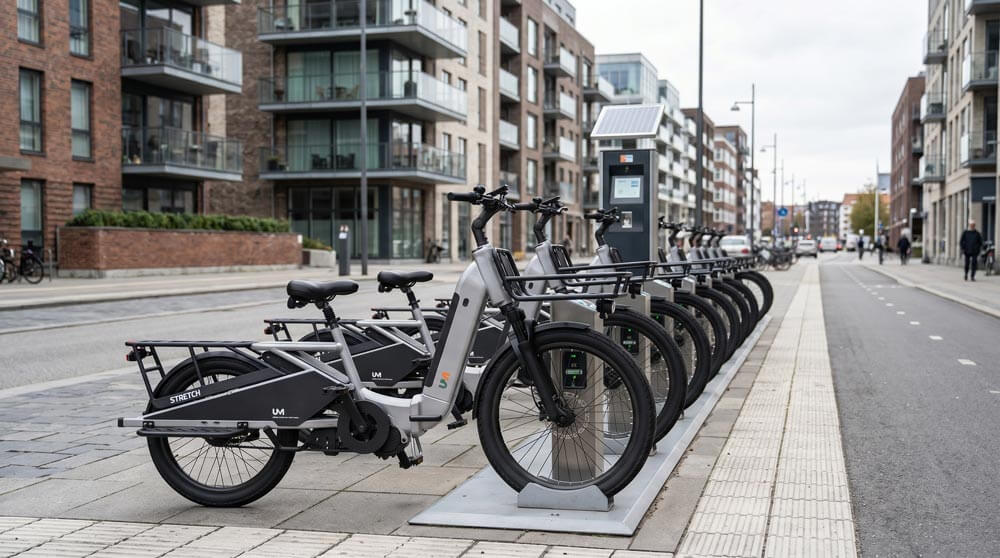
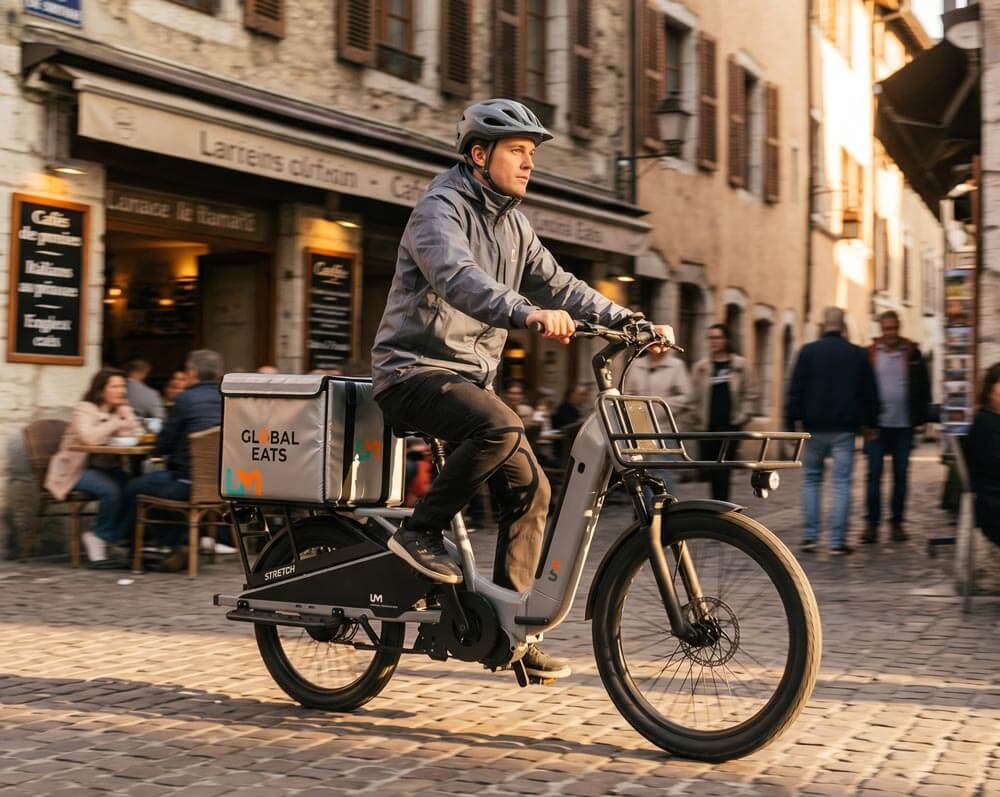
Quando o tempo de atividade e o alcance são os fatores decisivos — entrega de comida, entrega de encomendas, piscinas familiares de alta rotatividade — o UM Stretch longtail é o cavalo de batalha. Seu Sistema de bateria dupla expansível (células Samsung de 672 Wh, opção de bateria dupla) oferece autonomia de 60 a 130 km., o suficiente para manter um entregador fora durante um turno inteiro sem precisar trocar de rota no meio. O motor central de 250 W produz 110 N·m de torque. para arranques seguros sob carga, e a bicicleta inteira pesa apenas 43 kg, o que é importante quando os funcionários estão movimentando unidades dentro de um depósito.
Para compartilhamento e aluguel, o Stretch prioriza a segurança e o clima: Travamento com um toque, monitoramento da pressão dos pneus, rastreamento antifurto baseado em software e compatibilidade com cadeados ABUS., mais um guarda-corpo de segurança integrado e cobertura resistente a todas as condições climáticas. que se desdobra rapidamente para os passageiros, faça chuva ou faça sol. É tubo inferior dobrável Permite o armazenamento vertical — uma verdadeira vantagem quando se tem dezenas de bicicletas em um depósito urbano. (Pesquisa independente sobre Geometria e segurança da carga em bicicletas de carga Isso comprova por que o layout de cauda longa se comporta de forma tão previsível sob cargas compartilhadas e variáveis.
Pronto para especificar uma frota? Descreva seu cenário — rua, entrega ou resort — e nossa equipe o direcionará para a plataforma e o preço por volume adequados. Solicite um orçamento para sua frota →
Marcas brancas e ODM: onde reside a verdadeira vantagem
Comprar uma marca de varejo pronta limita você às especificações e ao logotipo de outra pessoa. Para um operador que busca construir valor de marca — ou uma marca própria —, essa opção é vantajosa. fornecedor de frota de aluguel de bicicletas de carga elétricas — a camada de personalização é o jogo todo, e é onde Mobilidade Unida‘quase 20 anos de Fabricação ODM/OEM é o mais forte.
Na prática, isso significa que você pode alterar muito mais do que apenas a pintura. A UM personaliza. Capacidade da bateria, parâmetros do controlador, sistemas de freio, detalhes do quadro, suportes para IoT/GPS e personalização completa da marca., Assim, um operador de serviço de bicicletas de carga pode enviar uma frota que se parece e funciona como... deles produto, sem um departamento interno de P&D. O hardware possui certificações CE, TÜV e E-MARK sob um sistema ISO 9001 (detalhes de conformidade em nosso Guia de conformidade para bicicletas de carga da UE), os componentes principais carregam um Garantia de 2 a 8 anos, Amostras estão disponíveis para testes de mercado, e os prazos de produção padrão são respeitados. 45 a 60 dias com termos FOB, CIF ou DDP.
Essa personalização também abrange a parte da ficha técnica que mais interessa aos operadores: a bateria. Se o seu cenário for de fornecimento de alta rotação, podemos ajustar a estratégia de sistema de baterias em torno de baterias intercambiáveis e carregamento em centros de recarga, em vez de uma configuração de varejo única.
Criar uma frota de compartilhamento com a marca da empresa? Envie-nos um esboço ou um resumo funcional e retornaremos com uma proposta ODM de marca branca. Fale com um especialista em ODM →
Como escolher um fabricante de bicicletas de carga para implantação em frota: um guia de compras
Quando as empresas nos procuram durante o processo de licitação, as mais fortes seguem, em linhas gerais, esta sequência. Use-a como um guia de avaliação de fornecedores:
- Defina primeiro o cenário dominante. O compartilhamento de bicicletas entre famílias, entregas de última milha/comida e aluguel para passeios turísticos têm perfis diferentes de carga, autonomia e risco de roubo. Escolha a bicicleta de acordo com a tarefa, não apenas com base no catálogo.
- Defina os itens não negociáveis de nível de frota. Rastreamento/IoT garantidos, bateria intercambiável ou dupla, pneus resistentes a furos, ajuste regulável para o piloto e descanso lateral com acionamento sem as mãos. Qualquer item ausente nesses quesitos representa um custo recorrente.
- Confirme a certificação e a garantia por escrito. As certificações CE, TÜV, E-MARK e uma garantia de vários anos para o motor e a bateria são os requisitos mínimos para a implementação na Europa.
- Realize um teste de pressão nas peças de reposição e no plano de manutenção. Pergunte como as peças de reposição são padronizadas e armazenadas. O tempo de atividade de uma frota compartilhada é um problema de logística de peças tanto quanto um problema das próprias bicicletas.
- O modelo considera o Custo Total de Propriedade da Frota (TCFO), e não o preço unitário. Considere o investimento inicial por bicicleta, o número esperado de ciclos de uso antes da manutenção principal, a frequência de substituição da bateria e os subsídios disponíveis. Na Alemanha, o governo federal A subvenção da BAFA cobre o valor de 25% para uma bicicleta de carga elétrica comercial (até € 2.500)., e programas regionais como o da Renânia do Norte-Vestfália, que financiam municípios em até aproximadamente 601 TP3T — reduzindo significativamente o investimento de capital efetivo em frota.
- Verificar a profundidade do ODM e a quantidade mínima de encomenda (MOQ). Confirme o que é realmente personalizável, a quantidade mínima de encomenda, a disponibilidade de amostras e o prazo de entrega antes de se comprometer com um pedido em grande quantidade.
Uma rápida constatação da realidade no campo: os operadores que pulam a etapa 4 são os que nos ligam seis meses depois, perguntando por que uma frota que parecia barata no orçamento está perdendo dinheiro com tempo de oficina. A compra direta do fabricante existe para preencher exatamente essa lacuna.
Como construir um argumento de sustentabilidade em conjunto com um argumento de custo? Nossa calculadora de economia de CO2 para bicicletas de carga Transforma o perfil da sua rota em um valor de emissões pronto para ser exibido no painel.
Leitura recomendada: Implantação da frota de bicicletas de carga: o que realmente acontece depois que as bicicletas chegam?
Perguntas frequentes
Quais as especificações que uma frota de bicicletas de carga deve ter para um programa de compartilhamento?
No mínimo: rastreamento antifurto integrado e trava com um toque, baterias intercambiáveis ou duplas para maior tempo de funcionamento, pneus resistentes a furos e com capacidade de carga adequada, mesa e canote ajustáveis em altura para que diferentes ciclistas se adaptem rapidamente, quadro com entrada baixa e descanso lateral para facilitar o carregamento com as mãos livres, e certificação CE/TÜV/E-MARK com garantia de vários anos. Esses são os detalhes que diferenciam uma bicicleta de uso profissional de uma bicicleta para varejo.
Qual o custo para montar uma frota de bicicletas de carga para compartilhamento na Europa?
O investimento inicial por moto varia conforme a especificação, mas o número mais útil é o Custo Total de Propriedade da Frota (utilização de recursos). Calculadora de TCO), o que acrescenta custos de manutenção, substituição da bateria e tempo de inatividade ao longo da vida útil da bicicleta. Os subsídios alteram significativamente os cálculos: na Alemanha, o programa BAFA cobre 25% (até € 2.500) para compradores comerciais, e programas regionais como o da Renânia do Norte-Vestfália chegam a cerca de 60% para municípios. A aquisição em grande volume diretamente do fabricante (ODM) reduz ainda mais o custo por unidade em comparação com a compra de marcas de varejo por meio de distribuidores.
Qual a diferença entre ODM e OEM para frotas de bicicletas de carga?
Com o modelo OEM, você normalmente personaliza e configura levemente um projeto já existente do fabricante. Com o modelo ODM, o fabricante projeta e personaliza o produto de acordo com suas especificações — detalhes da estrutura, bateria, controlador, suportes para IoT e marca própria completa — permitindo que operadores de compartilhamento de veículos lancem uma frota com marca própria sem precisar investir em pesquisa e desenvolvimento.
Qual bicicleta de carga é melhor para uma frota de compartilhamento de entregas de comida em comparação com uma frota familiar para uso urbano?
Para entregas de alimentos e encomendas, priorize o alcance e o tempo de atividade — a cauda longa UM Stretch, Com sua autonomia de 60 a 130 km graças à bateria dupla e ao rastreamento antifurto, ela se encaixa perfeitamente nessa necessidade. Para frotas mistas de bicicletas usadas em ruas e resorts, onde várias pessoas compartilham cada bicicleta, a lavadora de carregamento frontal modular UM Flex Vence em ajuste personalizável e zonas de carga configuráveis.
Um fabricante pode adicionar rastreamento por GPS e personalização da marca a uma frota de bicicletas de carga compartilhadas?
Sim. Mobilidade Unida Oferece suporte à integração de suportes IoT/GPS, rastreamento antirroubo e personalização completa da marca como parte de seu serviço ODM, juntamente com especificações personalizáveis de bateria, controlador e componentes — construído e certificado para implantação na Europa.
Quer esteja a implementar um projeto municipal, a expandir uma frota de entregas ou a lançar um serviço de bicicletas de carga, a decisão sobre o hardware é aquela que não pode ser facilmente revertida. Comece com um parceiro que construa veículos de alta qualidade desde a estrutura. Solicite hoje mesmo as especificações da sua frota e um orçamento por volume →
A United Mobility (Wuxi United Mobility Technology Inc.) é uma fabricante ODM/OEM B2B de bicicletas de carga com quase duas décadas de experiência no fornecimento de... soluções comerciais de bicicletas de carga para operadores, municípios e marcas próprias em toda a Europa.
 Portuguese
  English
  German
  Dutch
Dutch  Danish
  French
  Polish
  Spanish