
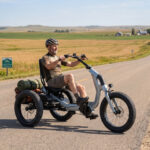
The fastest way to lose an electric trike sale is to remind the buyer why they need one. Marketing that leans on age, frailty or “you can’t ride a bike anymore” confirms the exact fear that stops people buying in the first place. So the question of how to market electric trikes comes down to one decision most brands get backwards: whether to sell what the rider has lost, or what they get to keep.
The trikes that move sell independence, capability and staying on the road — and the riders themselves will tell you so, if you read their own words rather than the category’s marketing. The product barely changes; the story does. For a brand, distributor or retailer, getting that story right is the difference between converting the few who have already made peace with a trike and reaching the far larger group still resisting it. This is the positioning that opens up the untapped part of the market.
The message that quietly kills the sale
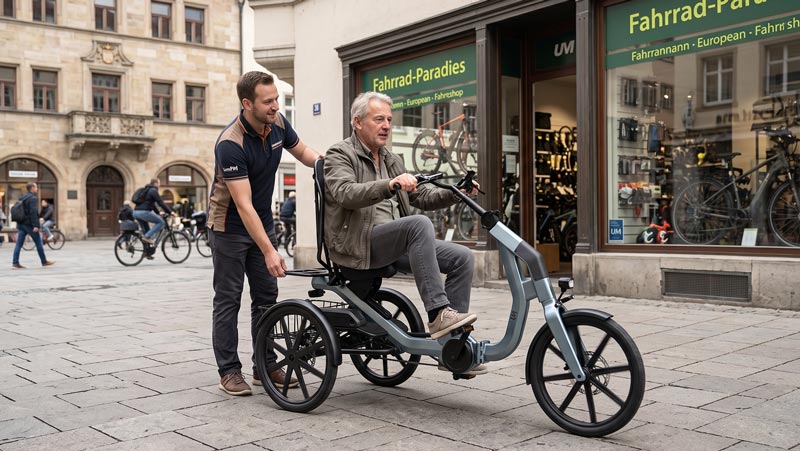
Most electric trike marketing is built around the problem: balance worries, aching knees, the bike that has become too risky. It is accurate, and it is a mistake. Leading with decline does two things at once. It confirms to the reader that buying a trike means admitting defeat, and it narrows the audience to people who have already accepted that framing. Everyone still holding on to their identity as a capable, active person reads that message and quietly rules themselves out.
This is not a hunch. An AARP study of ageism in advertising found that nearly half of consumers over 50 feel ads about people their age reinforce outdated stereotypes, and a clear majority want more realistic portrayals. The World Health Organization’s work on ageism makes the same point from the other side: casting older adults as frail and helpless carries real costs. A medical, decline-led tone is not neutral — it actively repels the buyers with the most resistance left to overcome, who are exactly the ones the category’s growth depends on.
Sell independence, not decline
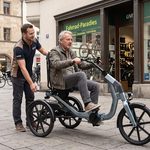
The reframe is not theoretical. It is how e-trike riders describe their own experience once you listen to them instead of to the ads. They talk about an errand turning into an outing, about feeling like a kid again, about a machine that sits closer to a lounge chair on wheels than to anything medical. One long-time rider puts the identity question to rest directly: if you are still getting outside and still moving, you are still a cyclist — an e-trike is not giving up, it is choosing to keep going.
The most useful detail in those accounts is what independence actually means in practice. It is not an abstraction. It is the disappearance of a specific daily dread — no wobble at an intersection, no lurch at a standing start, no quiet “I hope I can make it home.” Riders describe the relief of that far more vividly than they describe any specification. Sell the removal of that dread, framed as freedom, and you are offering the one thing the rider most wants and least expects a trike brand to understand.
Match the reframe to the market
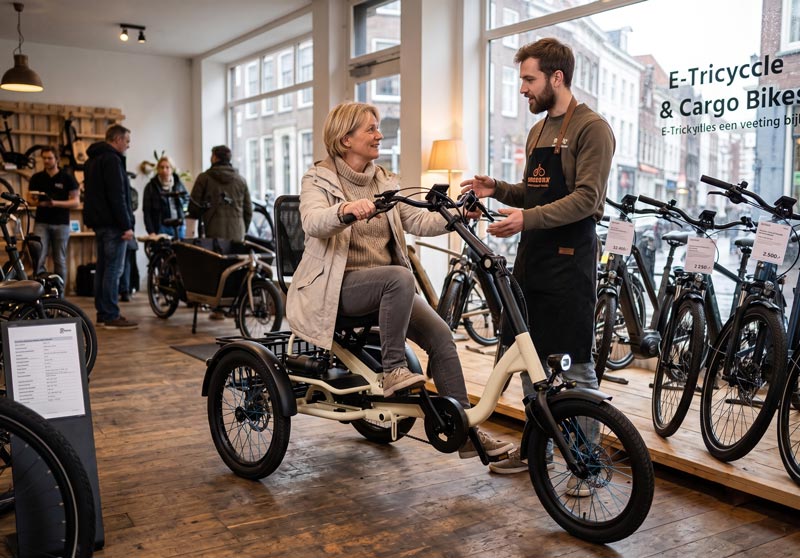
Independence is the through-line, but the words shift by market, for a reason rooted in the hardware. In the US, where throttles are allowed, the promise is effortless freedom — go further, with less effort, on your own terms. In Europe, where assistance is pedal-only, the promise is continuity — you are still cycling, still active, still the rider you were, now with support on the hills. Both are the same reframe away from decline; they simply meet each market’s buyer where they stand. The same platform can be configured for either, which is what lets one range carry both stories.
Remember who is actually buying
The rider is often not the buyer. A large share of adult trikes are chosen by an adult child, a spouse, or a care or community organisation acting on someone’s behalf. It is tempting to sell to that buyer with the problem — “help your parent stay safe” — but the same rule holds, and the real rider stories show why. In more than one, the trike becomes something the whole household wants to use: a spouse who invents errands just to take it out. A trike sold as a sad necessity is a thing one person tolerates; a trike sold as freedom and fun is a thing a family is glad to have around. Nobody wants to give — or receive — a symbol of decline; everybody is happy to give or get independence. That difference lives entirely in the positioning.
Prove the claim, or the reframe collapses
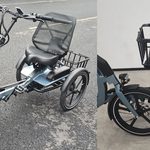
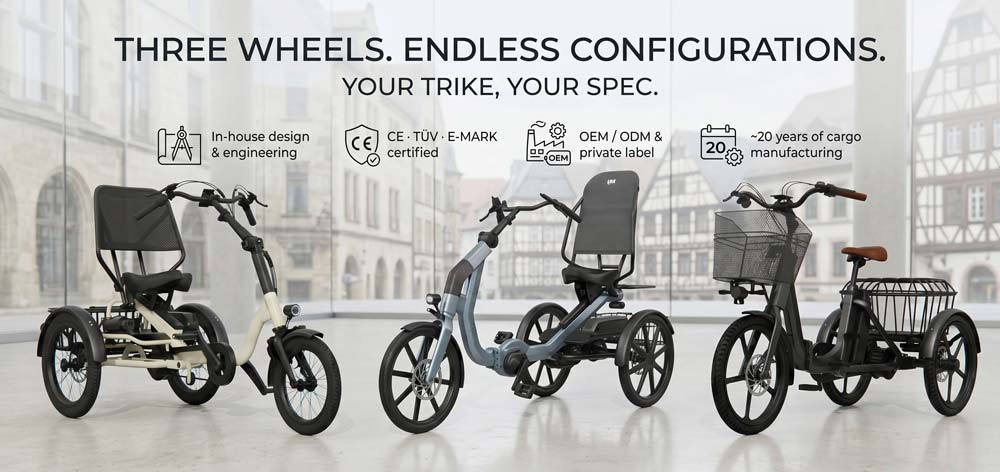
Independence messaging only survives contact with the first ride. If the trike feels tippy in a turn, lurches when the motor kicks in, or is awkward to get onto, the story falls apart and the buyer’s original fear is confirmed — which is why riders single out stability and smooth power when they describe what made them trust the trike. Positioning and engineering have to say the same thing. Real stability — a differential, a low centre of gravity, considered geometry — is what lets “confidence” be a claim you can stand behind, and smooth, predictable power is what makes the trike feel reassuring rather than startling. That alignment between message and machine is why nossos modelos Chill e Vita are built the way they are, and it is worth confirming before you commit to any supplier’s story.
The one-line version
How to market electric trikes, reduced to a sentence: sell what the rider keeps, not what they have lost; match the words to the market; and back the story with a trike that earns it. The brands that do all three stop competing for the small pool already sold on three wheels and start reaching the much larger one that never was. Building a range that can carry that story — configured for the market, and stable enough to back the claim — is where the product side begins.
Perguntas frequentes
What is the biggest mistake in marketing electric trikes?
Leading with decline — age, frailty, lost ability. Survey data on older consumers shows this framing reinforces the stereotypes they most dislike, which confirms the buyer’s fear and repels everyone still resisting it.
How should you position an electric trike for older adults?
Around independence and staying active, not around what has been lost. Riders themselves describe the appeal as freedom and fun — errands becoming outings — with stability as the quiet reassurance underneath rather than the headline.
Should electric trike marketing target the rider or the family buyer?
Often both, because the buyer is frequently a relative or an organisation. Either way, decline-framing backfires: nobody wants to give — or receive — a symbol of decline, so independence and dignity work on both sides.
Does electric trike marketing differ between the US and Europe?
Yes. The US, with throttles, sells effortless independence; Europe, pedal-assist only, sells staying an active cyclist. Same reframe away from decline, different words and often a different configuration.
Planning how to take a trike range to market? Tell us the audience you want to win and the story you want to tell, and we will help you build a range that backs it up. Fale com nossa equipe.
 Portuguese
  English
  German
  Dutch
Dutch  Danish
  French
  Polish
  Spanish