
Lar › Fabricação de bicicletas de carga › Fabricação de quadros para bicicletas de carga
Fabricação de quadros para bicicletas de carga: como a United Mobility constrói quadros duráveis.
Um quadro de bicicleta de carga não é um quadro de bicicleta maior. Ele transporta de 200 a 300 kg de carga, passageiros ou crianças, de seis a dez horas por dia, suportando impactos em calçadas e percorrendo quilômetros carregados que um quadro de bicicleta de consumo jamais enfrentaria. Se ele durará cinco anos ou trincará em dezoito meses depende quase que inteiramente da sua durabilidade. fabricação de quadros para bicicletas de carga — em etapas que uma ficha técnica jamais revela. É assim que a United Mobility molda, solda, trata termicamente e dá acabamento às suas estruturas de alumínio, e por que o processo importa mais do que os números na ficha técnica.
De que depende, de fato, a qualidade de fabricação do quadro de uma bicicleta de carga?
Em uma estrutura de carga de alumínio, o ponto mais frágil nunca é o tubo. É o zona afetada pelo calor em torno de cada solda. A soldagem local destrói a têmpera do alumínio 6061: no estado bruto de soldagem, o metal ao lado de cada junta retorna a uma têmpera próxima à do alumínio 60%, com resistência total T6 — e é exatamente aí que uma estrutura de carga sob carga concentra a tensão e começa a sofrer fadiga.
Isso está bem estabelecido em engenharia de fabricação de alumínio, E é por isso que uma solda bem feita e com boa aparência não diz quase nada sobre a durabilidade de um quadro. Restaurar essa zona é um processo importante. metalúrgico etapa, não de soldagem — e é a etapa que a produção mais barata pula.
A resistência de uma estrutura de carga é limitada pela sua zona mais vulnerável afetada pelo calor.
Por dentro do processo de produção de chassis da United Mobility
Cada chassi da United Mobility passa pela mesma sequência controlada, seja ele de carregamento frontal ou não. Fronteira ceroula ou um triciclo Fluxo. Cada etapa elimina um modo de falha específico antes que ele chegue ao seu cliente.
1. Conformação e curvatura de tubos
A geometria da estrutura é definida aqui. A consistência na conformação é o que permite que a 500ª estrutura se encaixe nos mesmos gabaritos, componentes e tolerâncias da primeira — a base para uma produção repetível.
2. Soldagem de precisão com gabarito
Os tubos são fixados em dispositivos de segurança para que a posição e o alinhamento das juntas permaneçam consistentes em todo o lote, com a sequência de soldagem controlada para minimizar a distorção à qual o alumínio é propenso. A precisão da fixação determina diretamente a consistência entre as estruturas.
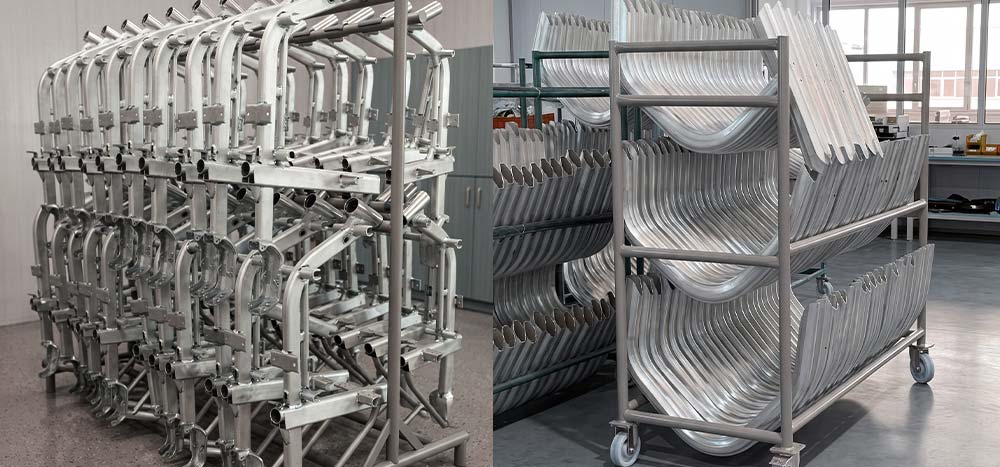
3. Tratamento térmico T4/T6 — a etapa decisiva
Este é o fator decisivo. Após a soldagem, as estruturas passam por um tratamento térmico completo: tratamento térmico de solução (aquecimento a aproximadamente 530 °C), resfriamento, então envelhecimento artificial (cerca de 175 °C). Isso restaura a resistência do grau T6. através da zona de solda — não apenas no tubo — proporcionando a toda a estrutura uma durabilidade uniforme e previsível.
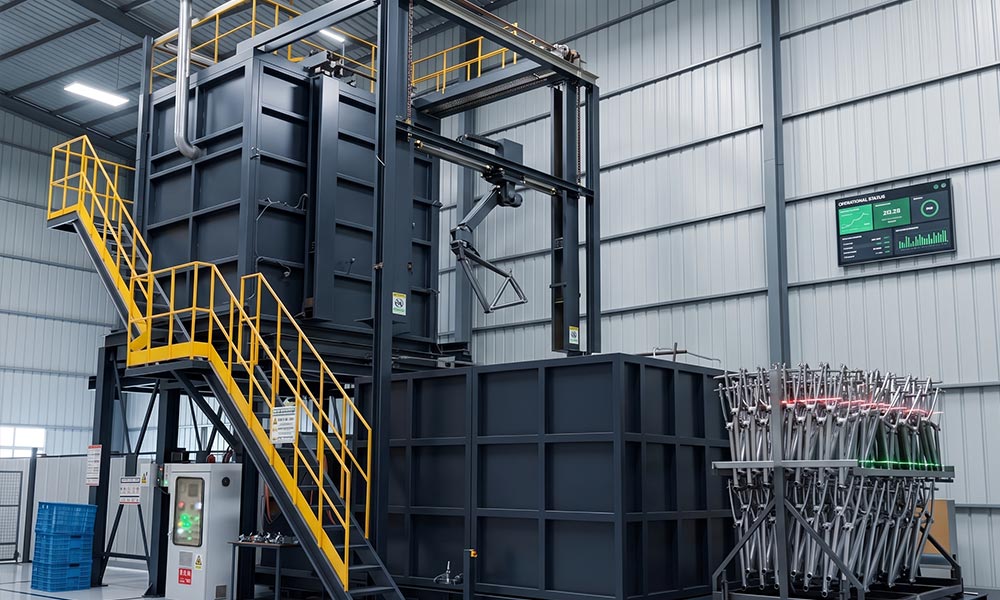
4. Decapagem e fosfatização
Antes de qualquer revestimento, os quadros passam por um processo de decapagem e fosfatização. Esse processo limpa a superfície, aumenta a resistência à corrosão e — crucialmente — cria a ligação química que permite que a tinta adira e permaneça aderida. Em bicicletas destinadas aos invernos úmidos do norte da Europa e estradas com sal, é isso que impede a corrosão sob a pintura e a falha do acabamento em uso.
5. Preparação e revestimento da superfície
As molduras são lixadas até atingirem uma superfície uniforme e, em seguida, revestidas. Essa é a qualidade que o cliente do seu comprador vê e toca — mas ela só dura graças à camada de conversão que está por baixo.
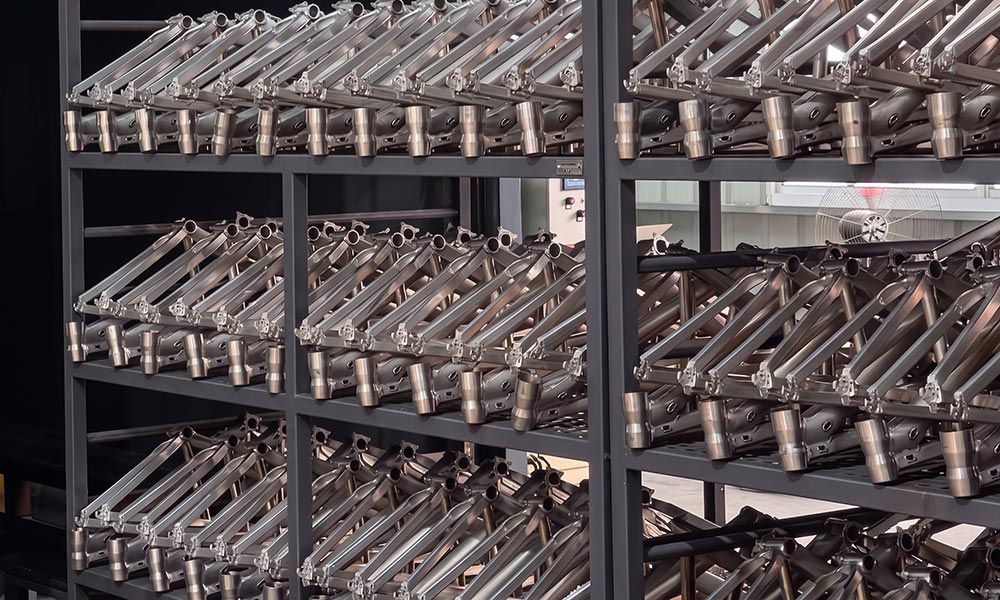
6. Montagem, testes funcionais e controle de qualidade
A montagem final, os testes funcionais e o controle de qualidade são realizados de acordo com o sistema de qualidade baseado em Procedimentos Operacionais Padrão (POP) da United Mobility. Cada unidade é verificada e testada funcionalmente antes do envio — portanto, o padrão que você aprova em uma amostra é o padrão que chega na embalagem.
| Estágio | O que acontece | Por que isso é importante para um comprador? |
|---|---|---|
| Conformação e curvatura de tubos | Geometria da estrutura moldada conforme as especificações | Ajuste e tolerâncias consistentes em toda a produção. |
| Soldagem em gabarito | Soldagem com dispositivos de fixação, sequenciamento controlado | O alinhamento permanece consistente de quadro para quadro. |
| Tratamento térmico T4/T6 | Solução para tratar, saciar, envelhecimento artificial. | Restaura a resistência total na zona de solda — durabilidade |
| Decapagem e fosfatização | Conversão da superfície antes do revestimento | Resistência à corrosão e aderência duradoura da tinta. |
| Preparação e revestimento da superfície | Lixar até obter uma superfície uniforme e, em seguida, aplicar o revestimento. | Acabamento que resiste ao uso comercial. |
| Montagem, teste e controle de qualidade | Construção interna e testes funcionais | Padrão de amostra = padrão enviado |
Precisa de um parceiro de fabricação que controle todo o processo de produção da estrutura?
A equipe de OEM/ODM da United Mobility incorpora a conformidade e a durabilidade à estrutura desde a fase de projeto — e não como uma reflexão tardia.
Explore a fabricação de bicicletas de carga Ver opções de ODMO que isso significa para os compradores de OEM/ODM?
A United Mobility alia esse controle em nível de chassi com os termos comerciais que uma marca em crescimento realmente precisa. Com raízes técnicas que remontam a 2009 e quase duas décadas na categoria — Mais de 17 anos de experiência, mais de 100 funcionários qualificados e mais de 50 patentes., e um grupo de P&D que representa 28% da força de trabalho — a operação foi construída para ser tanto escalável quanto flexível.
A quantidade mínima de encomenda é geralmente em torno de 50 unidades, Com flexibilidade para negociar dependendo do modelo e do nível de personalização, este produto representa um ponto de partida prático para uma marca que está lançando ou testando um mercado. A montagem na Polônia e o armazenamento na Alemanha reduzem os prazos de entrega dentro da UE, com a produção padrão levando em torno de 45 a 60 dias.
Como o processo é controlado de ponta a ponta, a conformidade é incorporada desde o início: as estruturas são desenvolvidas e testadas de acordo com os padrões estabelecidos. EN 17860 (a norma estrutural europeia para bicicletas de transporte), com o sistema de assistência ao pedal em conformidade com a norma EN 15194, sistemas de bateria em conformidade com as normas EN 50604-1 e UN 38.3, e marcação CE de acordo com a Diretiva de Máquinas da UE 2006/42/CE. O escopo da certificação é definido para cada programa na fase de projeto e confirmado em relação à Declaração de Conformidade de cada produto. Para obter uma visão completa, consulte nosso Guia de conformidade para bicicletas de carga da UE.
Você não está comprando uma estrutura. Você está comprando um processo repetível — e a possibilidade de colocar sua própria marca nele.
Processo de quadro único, toda a gama UM.
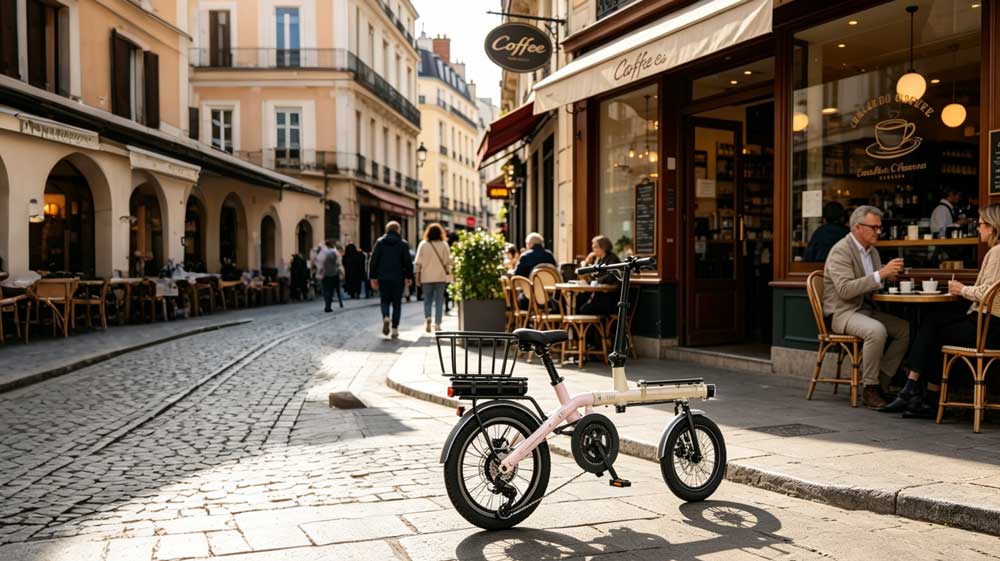
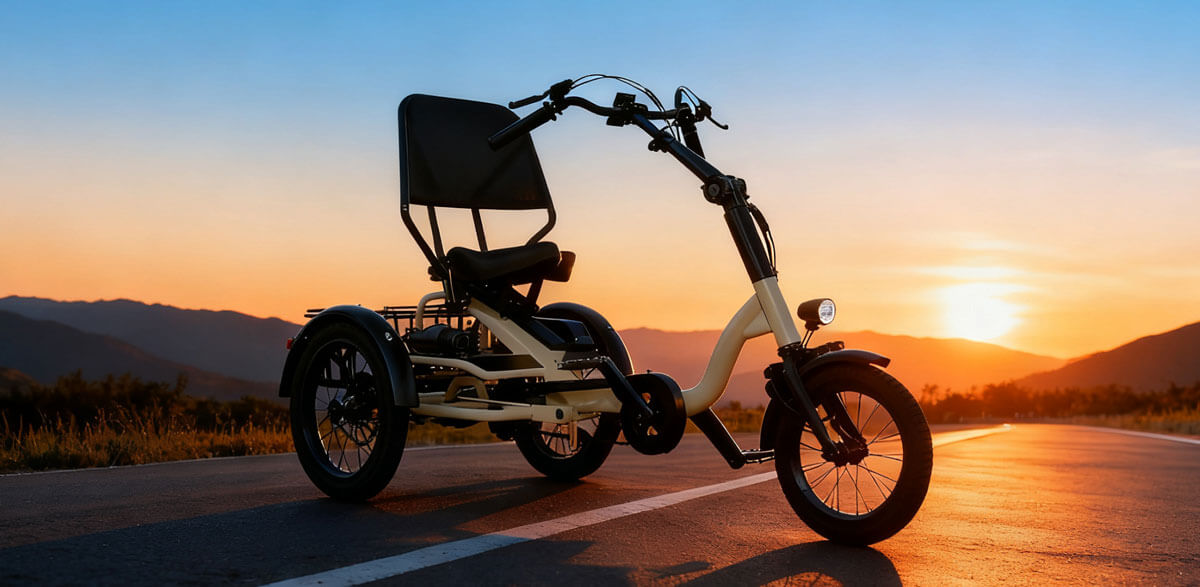
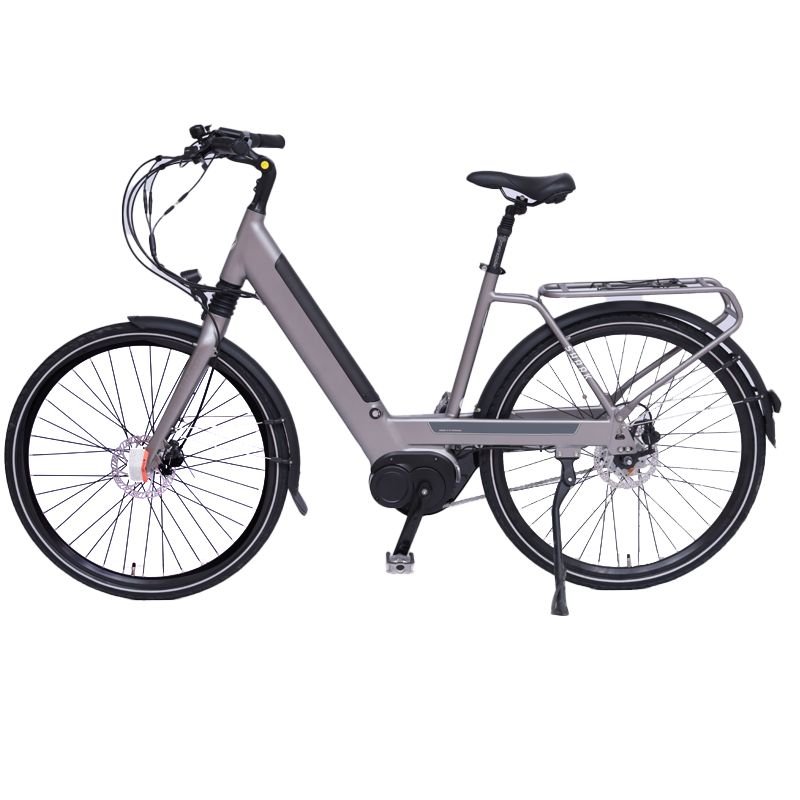
O mesmo processo controlado produz toda a linha da United Mobility — macacões com abertura frontal, triciclos, modelos longtail e compactos, triciclos elétricos e bicicletas elétricas urbanas. Veja abaixo uma seleção; todas as plataformas estão disponíveis para personalização com sua marca.
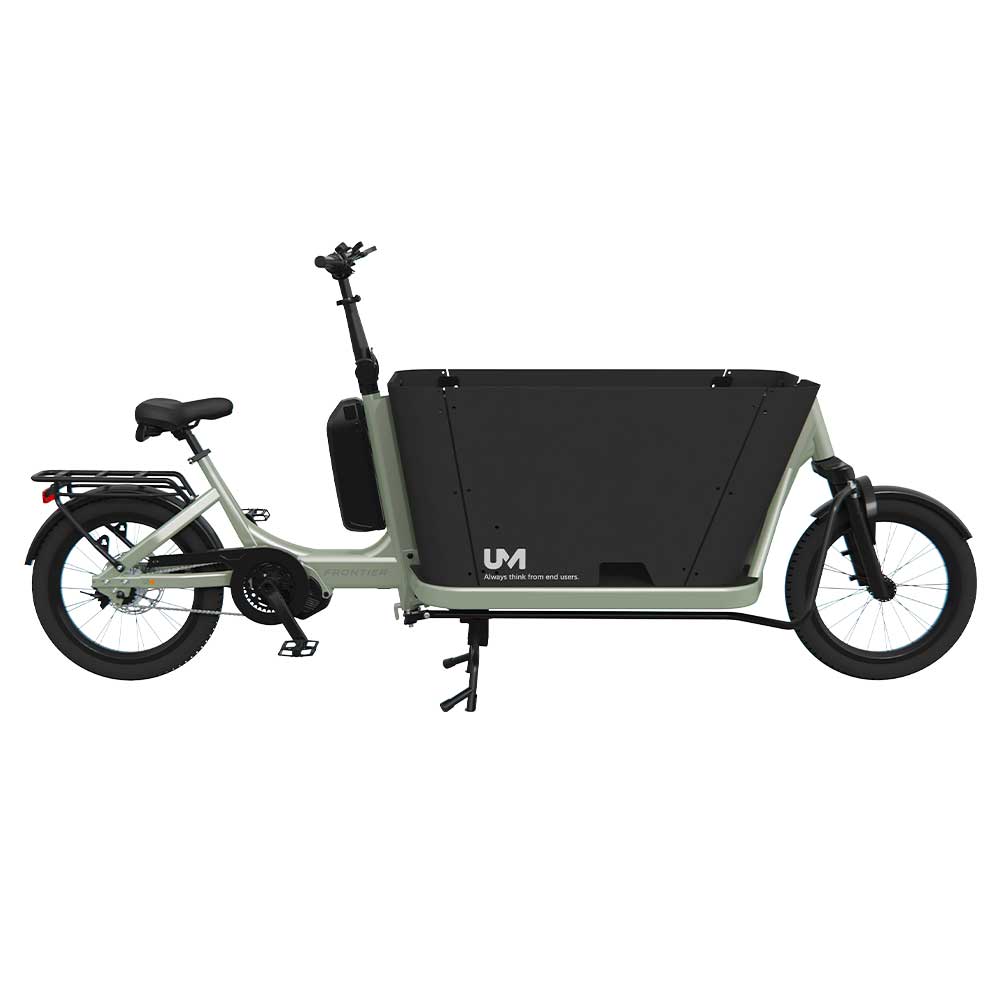
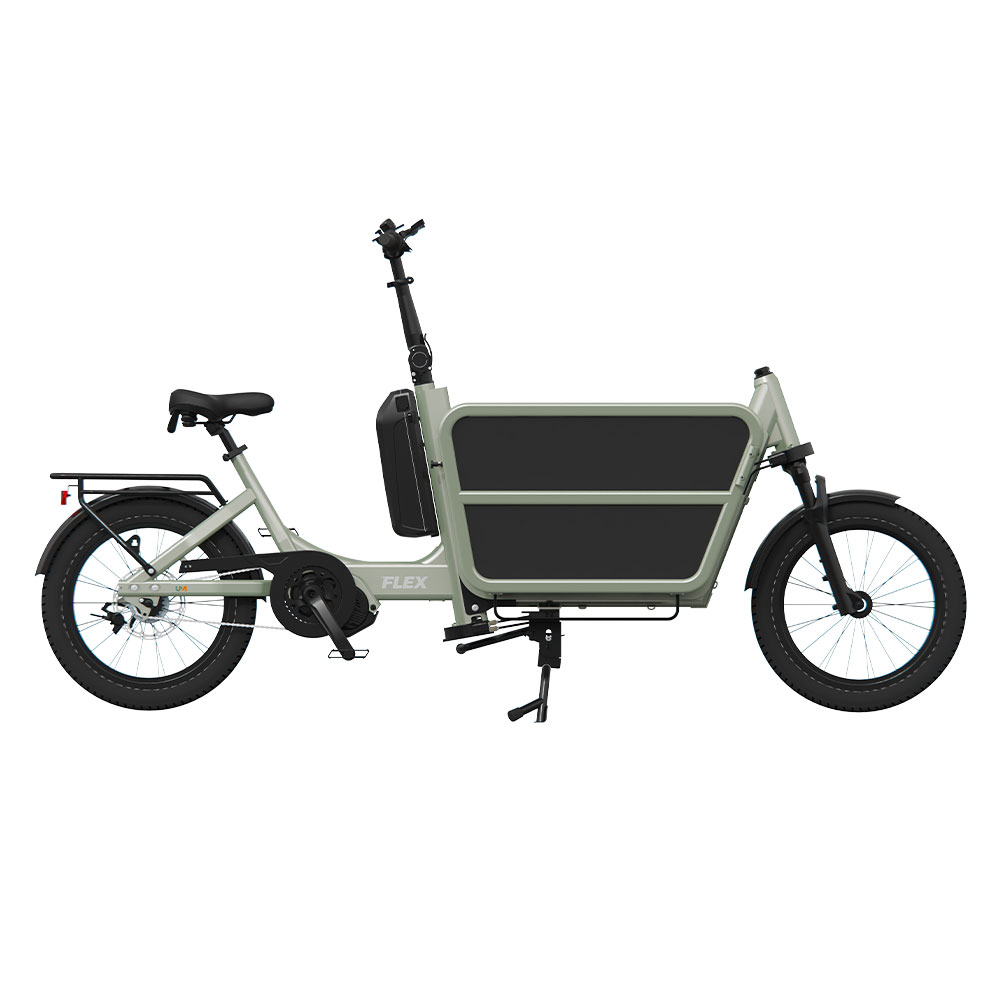
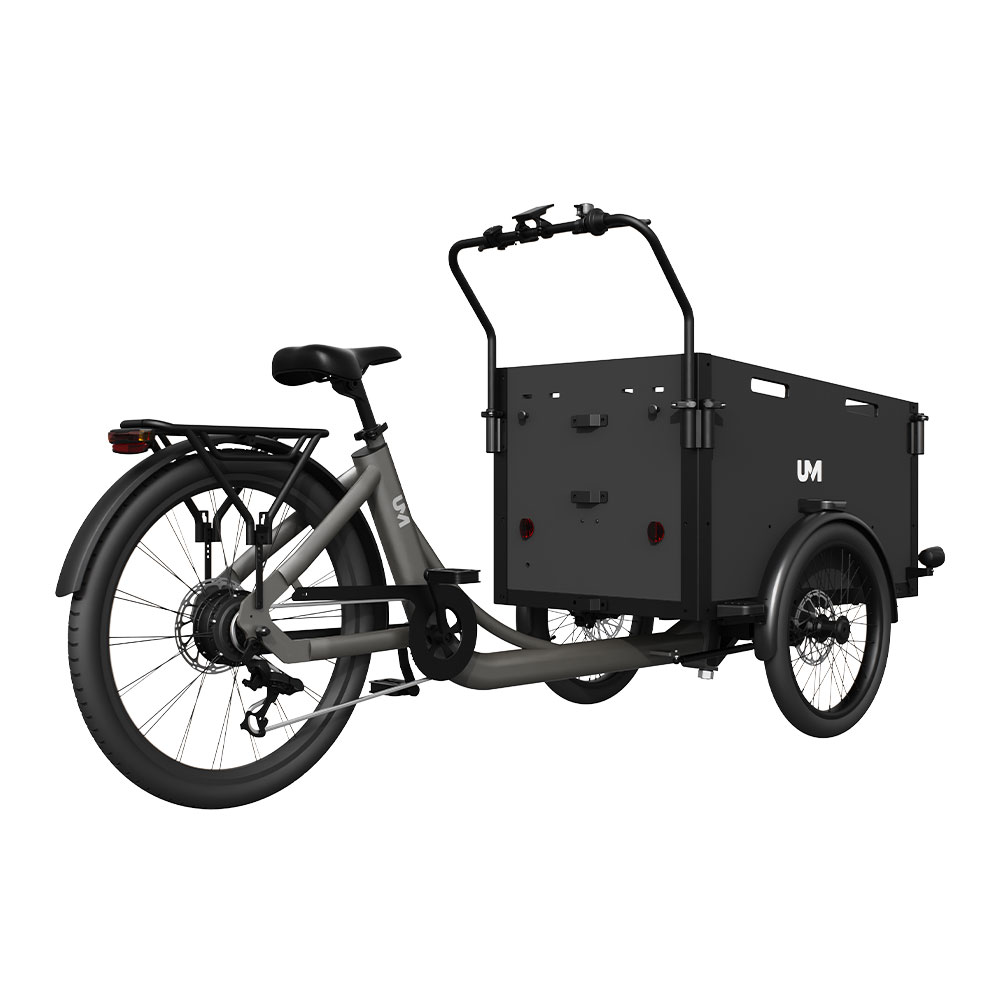
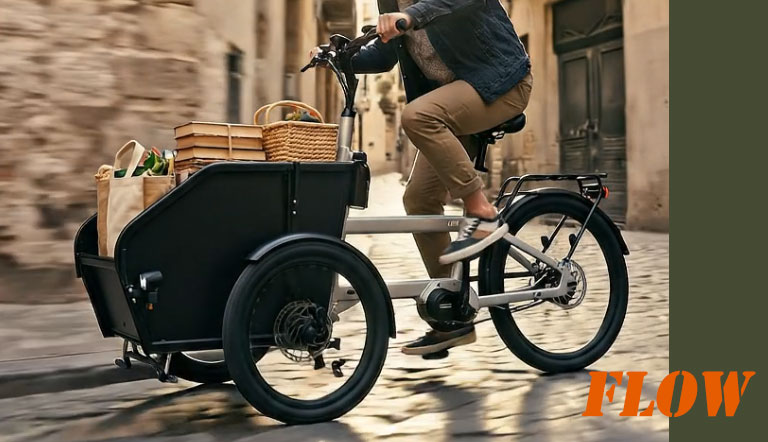
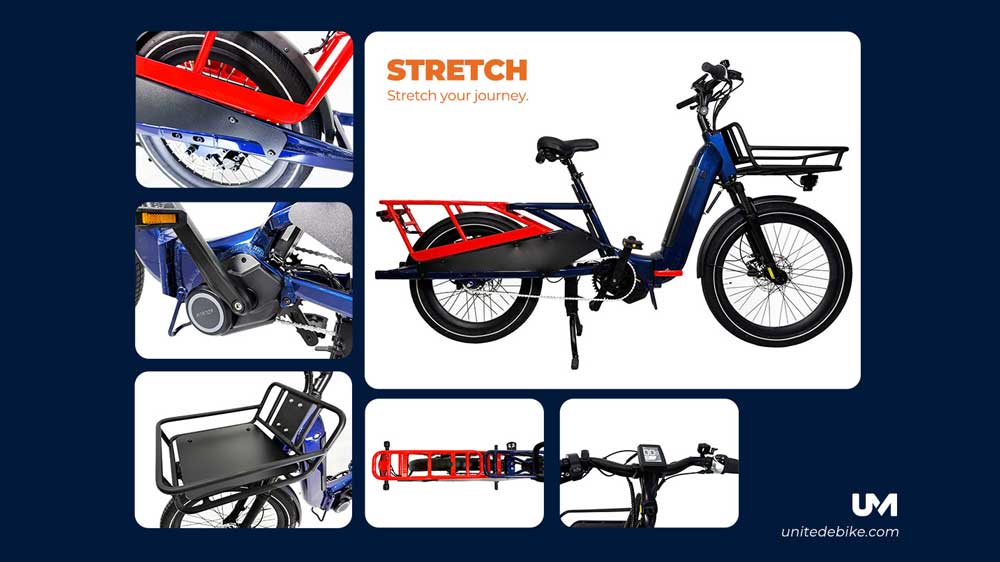
Veja todos os 18 modelos → carregamento frontal Triciclo Triciclos elétricos
Aprofunde-se
Visão geral da fabricação de bicicletas de carga
A história da engenharia, da pesquisa e desenvolvimento e do controle de produção por trás de cada veículo da United Mobility.
Leia a visão geral →Serviço ODM
Como um projeto ODM totalmente personalizado ou baseado em plataforma funciona na prática, desde a concepção até a produção em massa.
Consulte as opções de ODM →Conformidade da UE com as normas para bicicletas de carga
EN 17860, EN 15194, requisitos para baterias e marcação CE — e qual documentação exigir.
Leia o guia de conformidade →Guia de bicicletas de carga comerciais
Tipos de veículos, Custo Total de Propriedade (TCO), dimensionamento da frota e qual plataforma UM se adequa a cada caso de uso comercial.
Leia o guia →Perguntas frequentes
O que torna o quadro de uma bicicleta de carga durável?
A durabilidade é determinada na zona de solda. A soldagem enfraquece o alumínio 6061 ao redor de cada junta, e as estruturas de carga concentram suas cargas mais pesadas nessa região. O tratamento térmico completo pós-soldagem T4/T6 restaura a resistência nessa zona, enquanto a soldagem em pontos fixos e a geometria consistente mantêm todas as estruturas de um lote dentro do mesmo padrão. Uma estrutura é tão resistente quanto sua zona mais frágil afetada pelo calor.
O que é o tratamento térmico T4/T6 e por que ele é importante para bicicletas de carga?
A soldagem reduz a resistência do alumínio 6061 próximo à junta para aproximadamente 60%, que possui a resistência total do tratamento T6. O tratamento térmico T4/T6 — tratamento térmico de solubilização próximo a 530 °C, têmpera e, em seguida, envelhecimento artificial próximo a 175 °C — restaura essa resistência na zona de solda. Como as estruturas de carga suportam cargas pesadas e repetidas, essa etapa é um dos principais fatores que diferenciam uma estrutura durável de uma que sofre fadiga.
Quais são as normas de segurança que os quadros das bicicletas de carga da United Mobility atendem?
Os quadros são desenvolvidos e testados de acordo com a norma EN 17860, padrão europeu para bicicletas de carga, com o sistema de assistência ao pedal em conformidade com a norma EN 15194, os sistemas de bateria de acordo com as normas EN 50604-1 e UN 38.3, e a marcação CE em conformidade com a Diretiva de Máquinas da UE 2006/42/CE. O escopo da certificação é definido para cada programa na fase de projeto e confirmado por meio da Declaração de Conformidade de cada produto.
Qual é a quantidade mínima de encomenda para bicicletas de carga OEM/ODM?
A quantidade mínima de encomenda é normalmente de cerca de 50 unidades, com flexibilidade para negociação dependendo do modelo e do nível de personalização — uma forma prática para uma marca lançar ou testar um mercado sem se comprometer com volumes em grande escala de imediato.
Como a United Mobility mantém a qualidade consistente em toda a produção?
Controlando o processo em vez de inspecionar o resultado. A soldagem com dispositivos de fixação mantém o alinhamento, o tratamento térmico completo confere resistência uniforme a cada estrutura, a conversão da superfície protege o acabamento e um sistema de qualidade baseado em procedimentos operacionais padrão (SOPs) com testes funcionais internos garante que o padrão aprovado em uma amostra seja o padrão enviado para todo o pedido.
Está procurando uma bicicleta de carga para personalizar com seu nome?
Informe-nos seu mercado, especificações desejadas e volume. Nossa equipe responderá com detalhes técnicos — a plataforma ideal, o caminho para a conformidade e um orçamento.
Fale com a equipe da UM → Explore a gamaA United Mobility (unitedebike.com) é uma fabricante OEM/ODM de bicicletas de carga elétricas, triciclos elétricos, triciclos semi-reclinados e bicicletas elétricas urbanas para compradores europeus e norte-americanos.
Frotas de triciclos elétricos: quem compra em grande volume e o que precisa
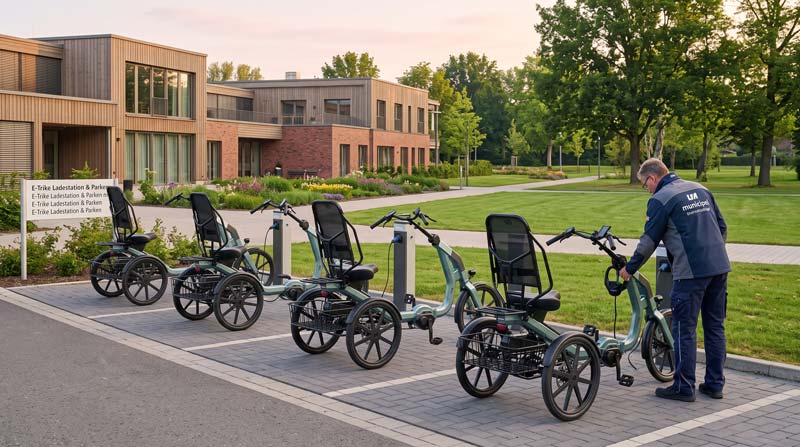
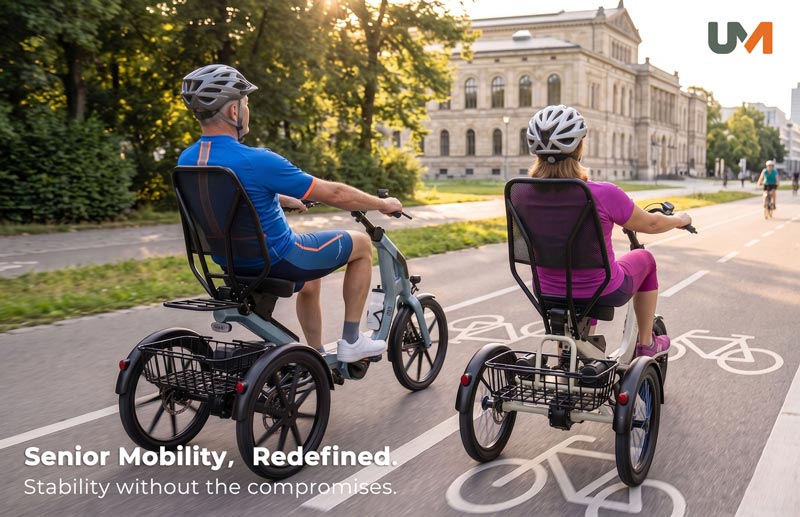
Uma frota de triciclos elétricos é comprada por uma pessoa, usada por dezenas e avaliada pela quantidade de dias que permanece em circulação. Isso torna os compradores de frotas muito diferentes dos compradores particulares. Eles se importam menos com a aparência do triciclo em um showroom e mais com a rapidez com que ele se adapta ao próximo condutor, com o desempenho com pessoas que nunca andaram de triciclo e com o tempo de inatividade que causa ao longo de uma temporada. Para marcas e distribuidores, eles também representam a fonte mais concentrada de volume na categoria. Este artigo aborda os dois grupos que compram triciclos em grande volume, o que eles precisam que um comprador particular não precisa e as questões importantes a serem esclarecidas com um fornecedor antes de um pedido de frota ser feito. Quem compra triciclos elétricos em grande volume? Parques de férias, campings e resorts. Operadores de lazer já consideram o uso de bicicletas...
Motivos que levam à compra de triciclos elétricos: quando quem não estava pensando em comprar começa a pesquisar.
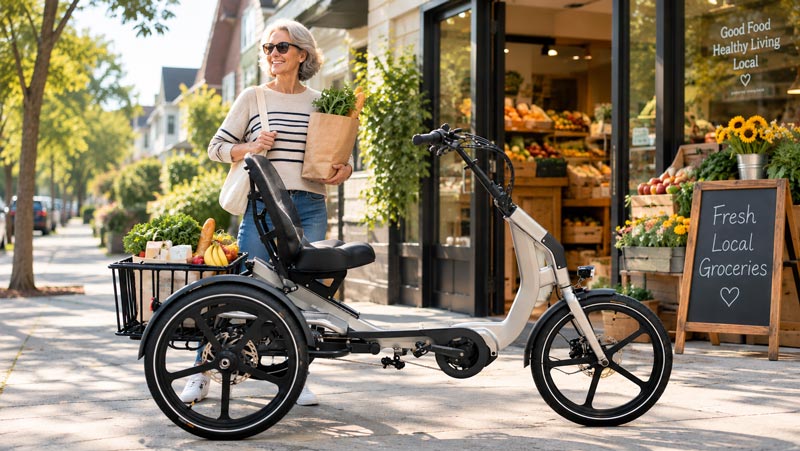
Os gatilhos de compra de triciclos elétricos raramente são o produto em si. Alguém que nunca pensou em um triciclo não começa a pesquisar porque um anúncio foi inteligente; começa porque algo em sua vida mudou. Parou de dirigir, aposentou-se, mudou de casa ou descobriu que uma bicicleta não atende mais às suas necessidades de deslocamento. Para uma marca ou varejista, esses momentos decidem quando um não-comprador finalmente começa a prestar atenção. E a primeira coisa que essa pessoa quer saber não é se um triciclo é um bom exercício. É se ele a levará até as lojas e a trará de volta. Este artigo mapeia os momentos que transformam não-compradores em compradores e a tarefa prática que os atrai. Como formular a mensagem depois que eles estão prestando atenção é abordado em como comercializar triciclos elétricos; aqui, trata-se de timing, ocasião e motivação. Por que...
Posicionamento de triciclos elétricos: Conquistando o espaço entre a bicicleta e a scooter
Cada produto ocupa uma posição na mente do comprador, e a do triciclo elétrico é excepcionalmente valiosa: é a única coisa que se situa entre uma bicicleta que o ciclista já não consegue controlar e uma scooter de mobilidade que ele ainda não está pronto para aceitar. Acertar no posicionamento do triciclo elétrico significa dominar completamente esse espaço intermediário, porque quase nenhuma marca o reivindica propositalmente. Errar significa ficar em um dos extremos, competindo com produtos que o comprador já rejeitou. Para uma marca, distribuidor ou varejista, é aí que reside o crescimento silencioso. O espaço intermediário não é um compromisso — é uma categoria própria, e as pessoas que se encontram nele (capazes de pedalar, relutantes em serem vistas em uma scooter, já sem confiança em duas rodas) representam o maior segmento inexplorado do mercado. Este artigo...
 Portuguese
  English
  German
  Dutch
Dutch  Danish
  French
  Polish
  Spanish