
Home › Cargo Bike Manufacturing › Cargo Bike Frame Manufacturing
Cargo Bike Frame Manufacturing: How United Mobility Builds Frames That Last
A cargo bike frame is not a larger bicycle frame. It carries 200–300 kg of payload, passengers or children, six to ten hours a day, through curb impacts and loaded miles a consumer frame never sees. Whether it lasts five years or cracks in eighteen months is decided almost entirely in cargo bike frame manufacturing — in stages a spec sheet never shows. This is how United Mobility forms, welds, heat-treats and finishes its aluminium frames, and why the process matters more than the number on the datasheet.
What cargo bike frame manufacturing quality actually depends on
On an aluminium cargo frame, the weakest point is never the tube. It is the heat-affected zone around every weld. Welding locally destroys the temper of 6061 aluminium: in the as-welded state, the metal beside each joint drops back toward roughly 60% of full T6 strength — and that is exactly where a loaded cargo frame concentrates stress and begins to fatigue.
This is well established in aluminium fabrication engineering, and it is why a tidy, good-looking weld tells you almost nothing about how long a frame will survive. Restoring that zone is a metallurgical step, not a welding one — and it is the step that cheaper production skips.
A cargo frame is only as strong as its weakest heat-affected zone.
Inside United Mobility's frame production process
Every United Mobility frame moves through the same controlled sequence, whether it becomes a front-load Frontier long-john or a three-wheeled Flow. Each stage removes a specific failure mode before it can reach your customer.
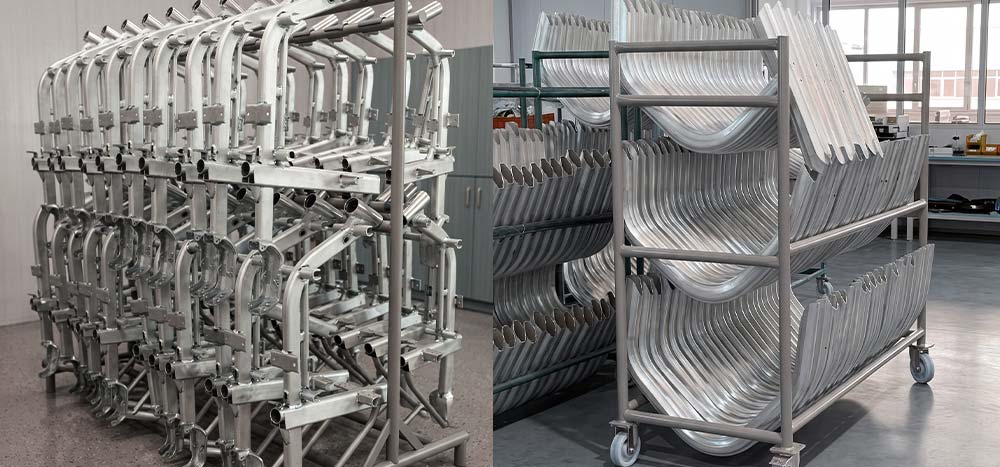
1. Tube forming and bending
Frame geometry is set here. Consistent forming is what makes the 500th frame fit the same jigs, components and tolerances as the first — the foundation of a repeatable production run.
2. Jigged precision welding
Tubes are held in fixtured jigs so joint position and alignment stay consistent across the batch, with weld sequencing controlled to manage the distortion aluminium is prone to. Jigging accuracy directly determines how consistent one frame is to the next.
3. T4/T6 heat treatment — the decisive stage
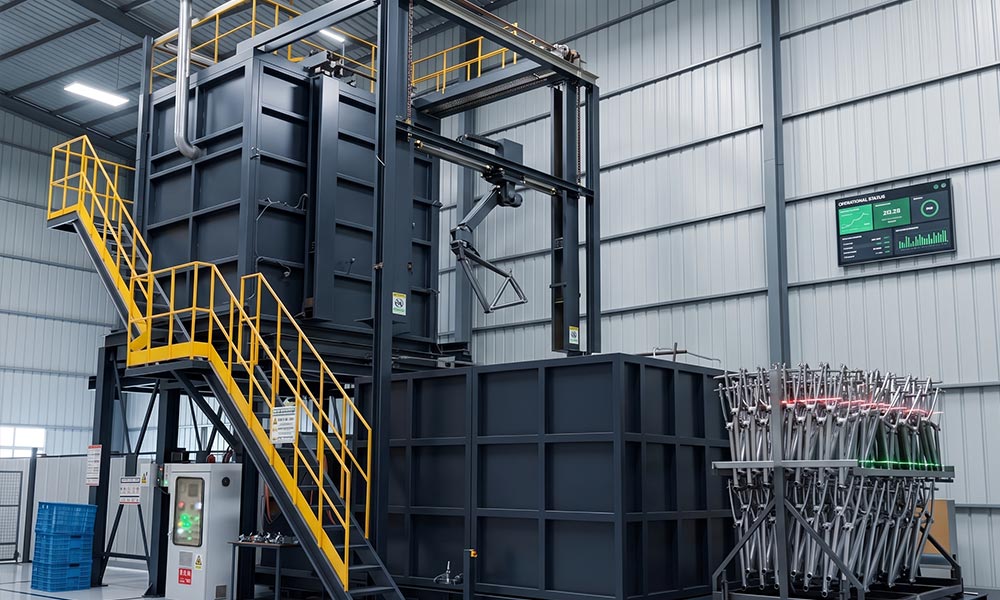
This is the difference-maker. After welding, frames undergo full heat treatment: solution heat treatment (heating to roughly 530 °C), quenching, then artificial ageing (around 175 °C). This restores T6-grade strength through the weld zone — not only in the tube — giving the whole frame uniform, predictable durability.
4. Pickling and phosphating
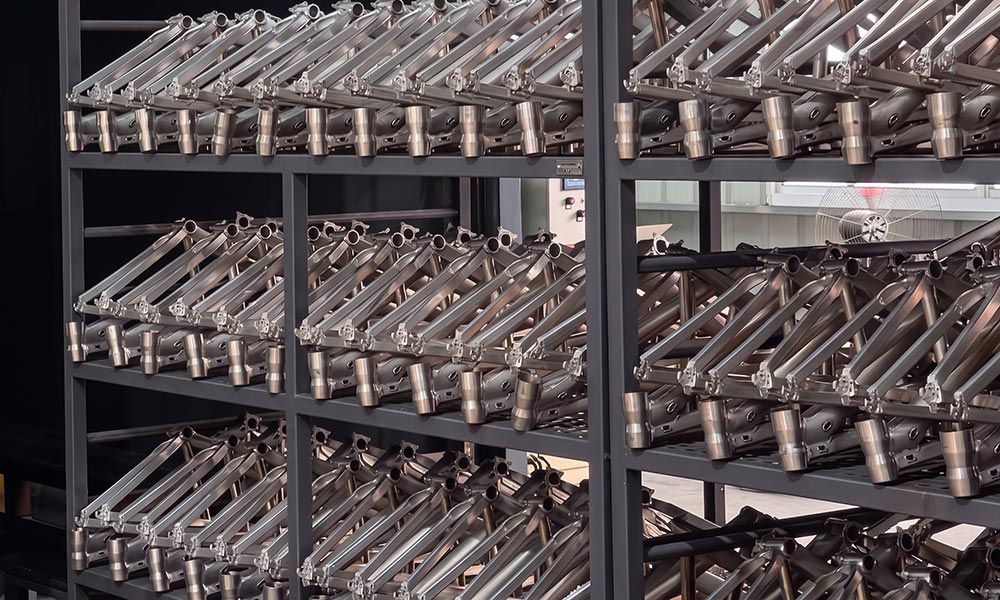
Before any coating, frames pass through a pickling and phosphating conversion process. It cleans the surface, builds corrosion resistance, and — critically — creates the chemical key that lets paint bond and stay bonded. On bikes destined for wet Northern European winters and salted roads, this is what prevents under-paint corrosion and finish failure in the field.
5. Surface preparation and coating
Frames are sanded to a uniform substrate, then coated. This is the quality your buyer's customer sees and touches — but it only lasts because of the conversion layer beneath it.
6. Assembly, functional testing and quality control
Final assembly, functional testing and quality control run under United Mobility's SOP-based quality system. Every unit is checked and functionally tested before it ships — so the standard you approve on a sample is the standard that arrives on the container.
| Stage | What happens | Why it matters to a buyer |
|---|---|---|
| Tube forming & bending | Frame geometry formed to spec | Consistent fit and tolerances across the run |
| Jigged welding | Fixtured welding, controlled sequencing | Alignment stays consistent frame-to-frame |
| T4/T6 heat treatment | Solution treat, quench, artificial ageing | Restores full strength through the weld zone — durability |
| Pickling & phosphating | Surface conversion before coating | Corrosion resistance and lasting paint adhesion |
| Surface prep & coating | Sanding to uniform substrate, then coating | Finish that holds up in commercial duty |
| Assembly, test & QC | In-house build and functional testing | Sample standard = shipped standard |
Need a manufacturing partner who controls the frame process end to end?
United Mobility's OEM/ODM team builds compliance and durability into the frame from the design stage — not as an afterthought.
Explore Cargo Bike Manufacturing View ODM OptionsWhat this means for OEM/ODM buyers
United Mobility pairs this frame-level control with the commercial terms a growing brand actually needs. With technical roots to 2009 and nearly two decades in the category — 17+ years of experience, 100+ skilled staff and 50+ patents, and an R&D group that is 28% of the workforce — the operation is built for both scale and flexibility.
Minimum order quantity is typically around 50 units, with flexibility to discuss depending on model and customisation depth — a practical entry point for a brand launching or testing a market. EU-based assembly in Poland and warehousing in Germany shorten lead times inside the EU, with standard production around 45–60 days.
Because the process is controlled end to end, compliance is engineered in: frames are developed and tested toward EN 17860 (the European structural standard for carrier cycles), with the pedal-assist system to EN 15194, battery systems to EN 50604-1 and UN 38.3, and CE marking under the EU Machinery Directive 2006/42/EC. Certification scope is defined per programme at the design stage and confirmed against each product's Declaration of Conformity. For the full picture, see our EU cargo bike compliance guide.
You aren't buying a frame. You're buying a repeatable process — and the ability to put your own brand on it.
One frame process, the full UM range
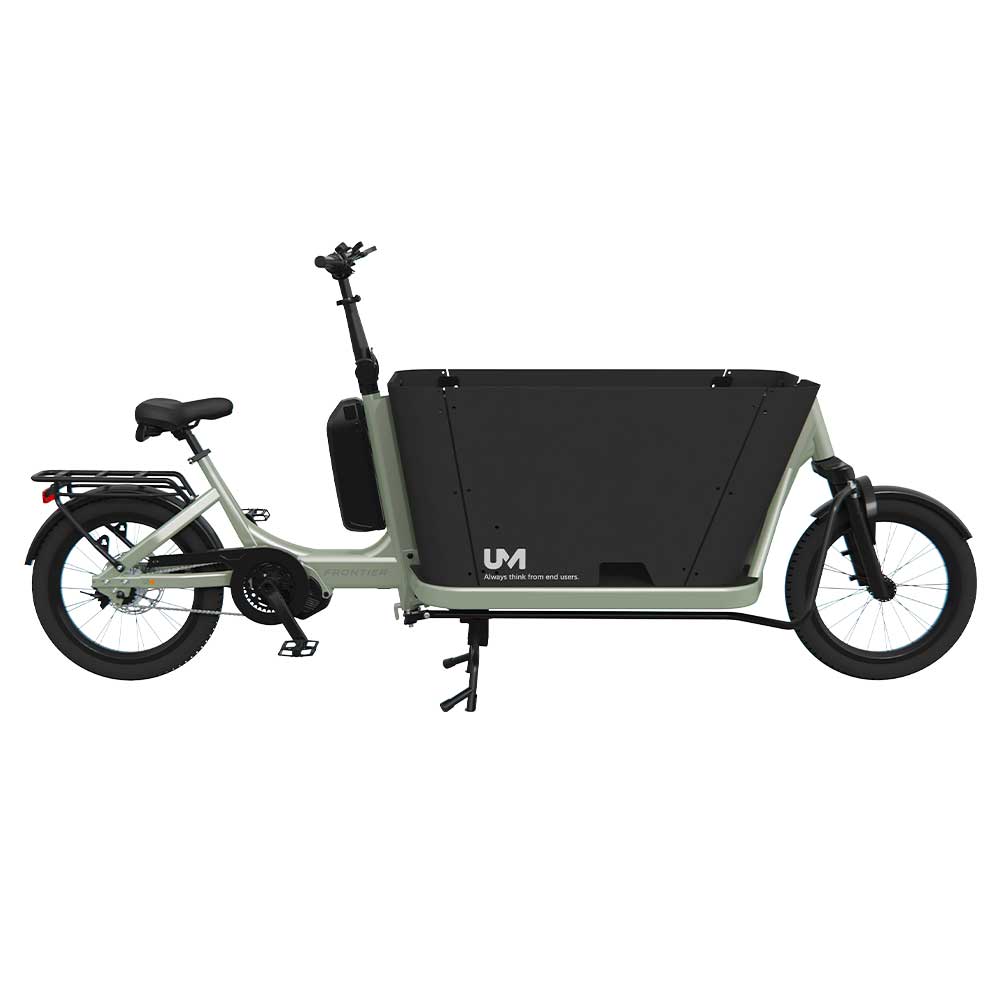
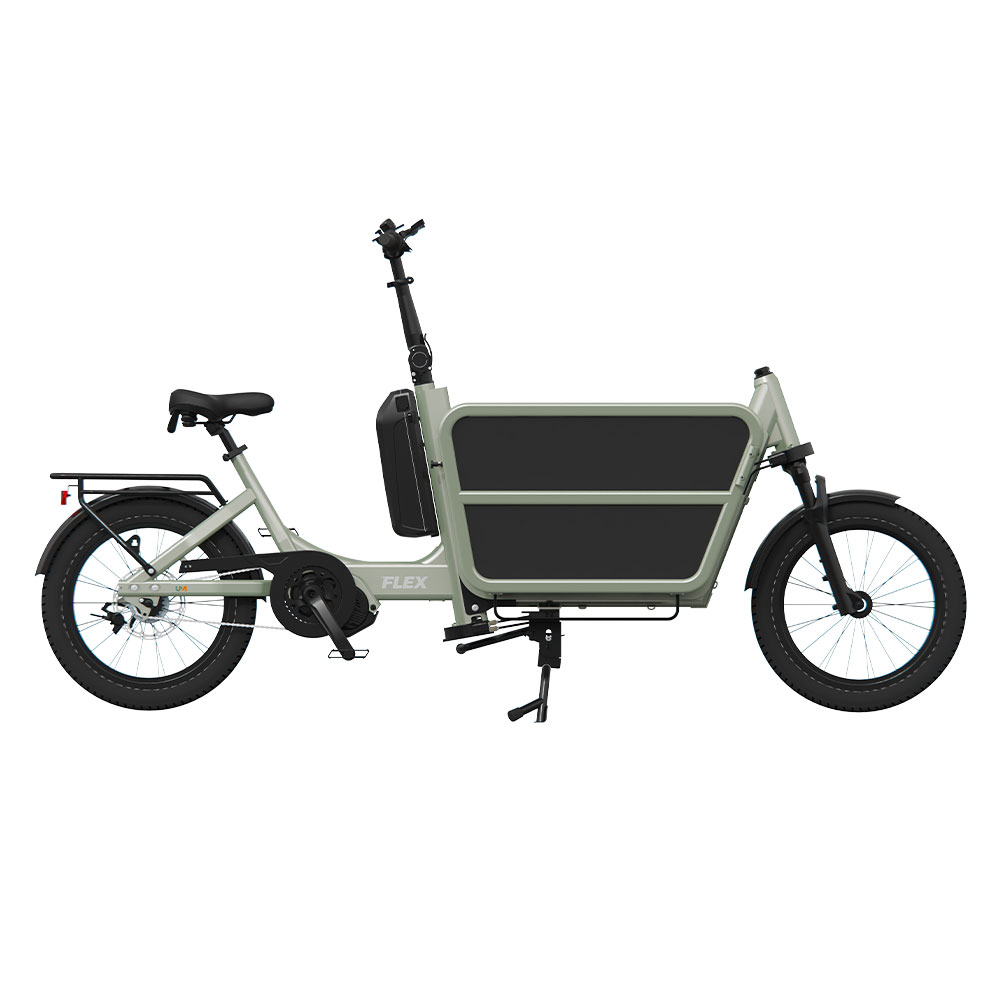
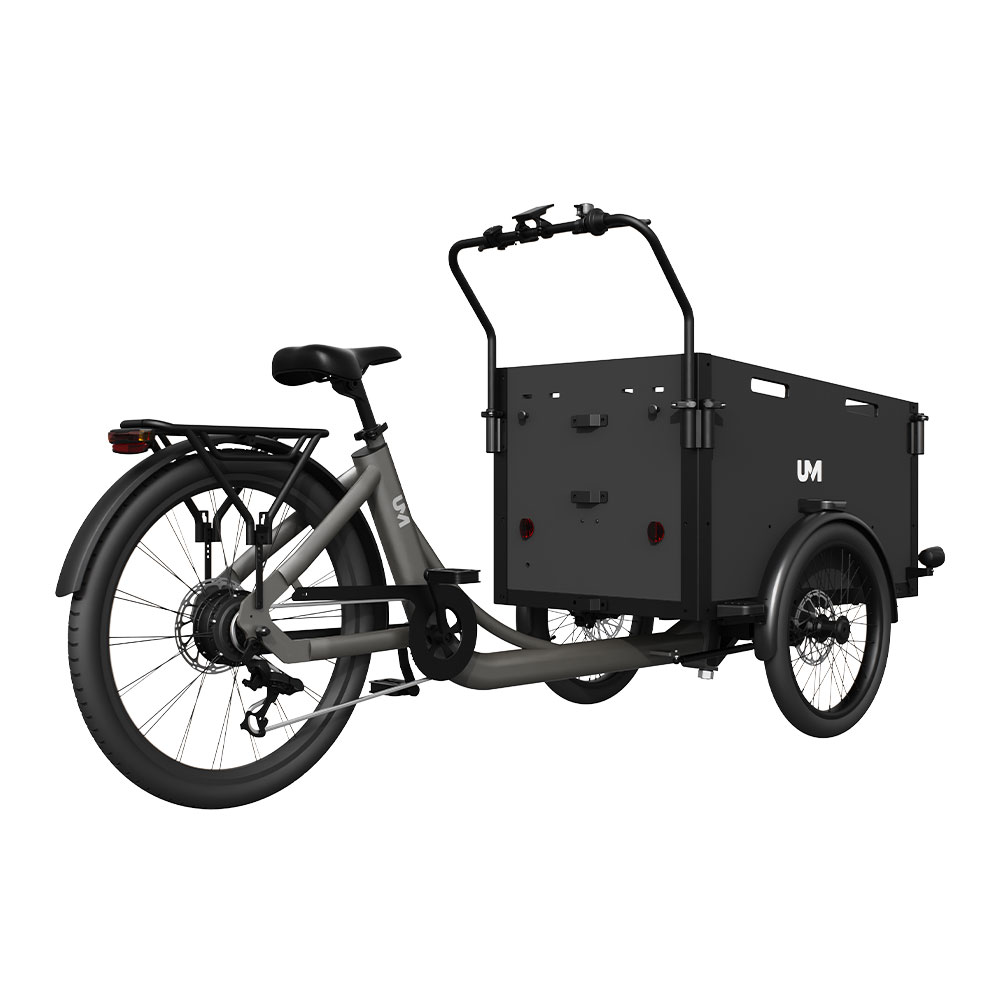
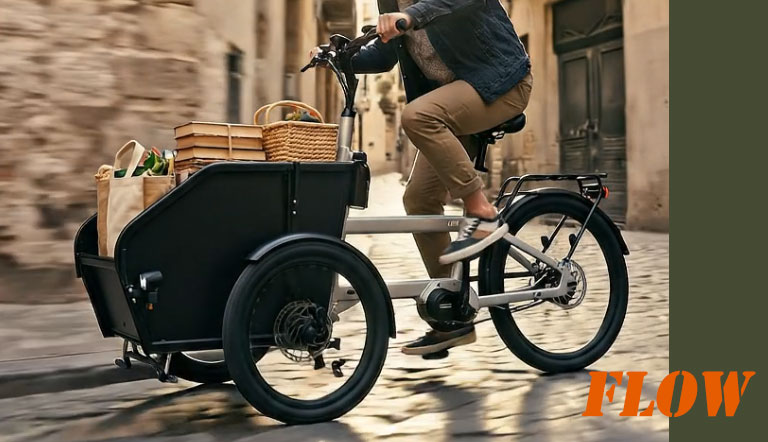
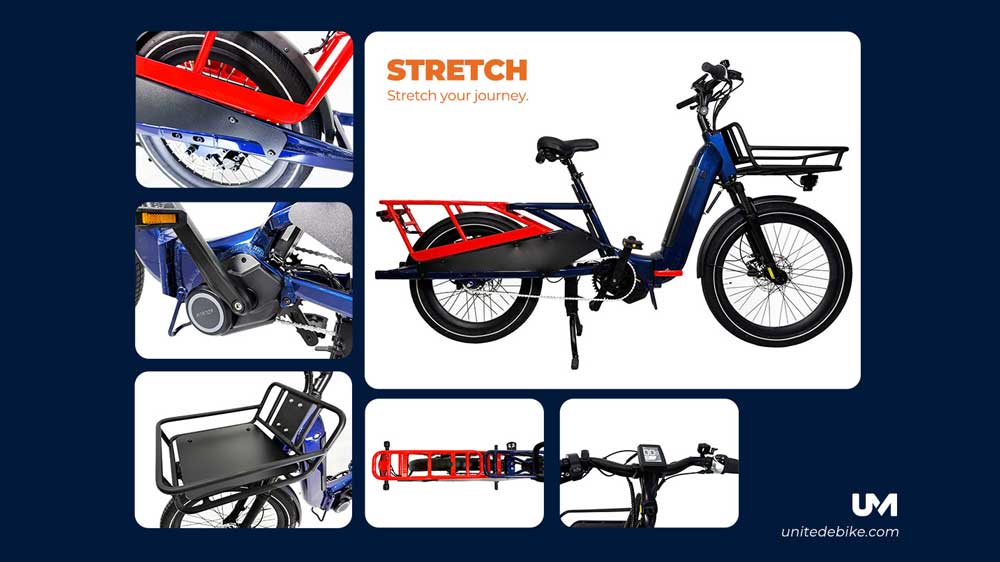
The same controlled process produces United Mobility's entire line — front-load long-johns, three-wheelers, longtail and compact models, electric trikes and city e-bikes. A selection below; every platform is open to your specification and branding.
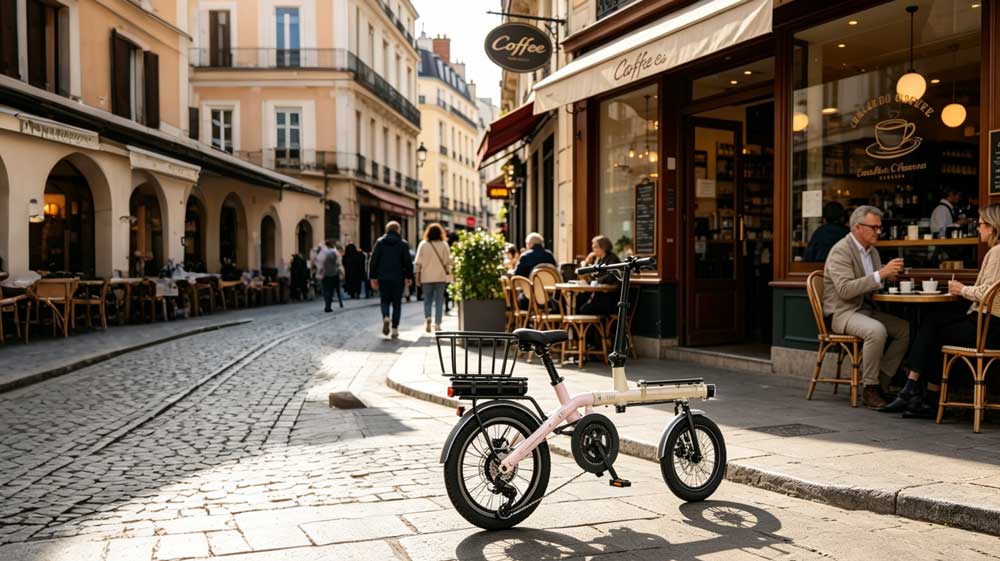
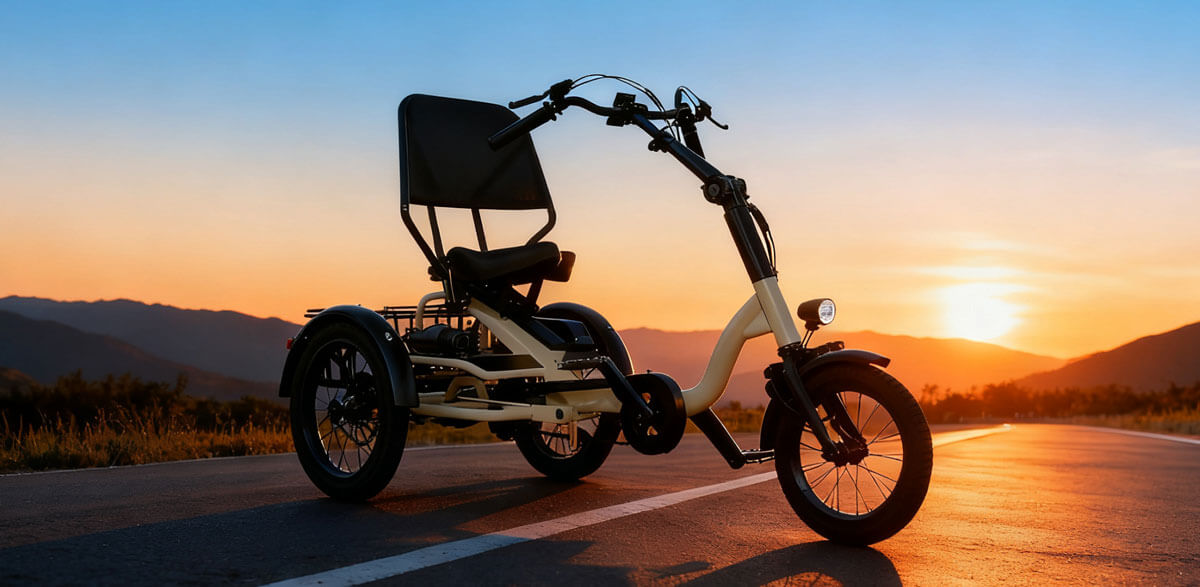
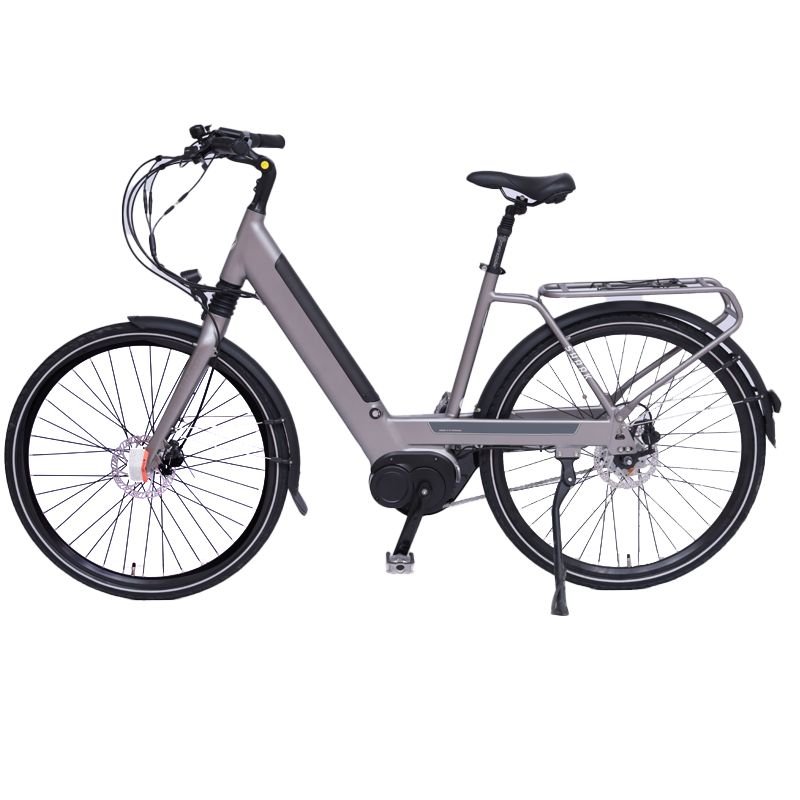
See all 18 models → Front-load Three-wheeled Electric trikes
Go deeper
Cargo bike manufacturing overview
The engineering, R&D and production-control story behind every United Mobility build.
Read the overview →ODM service
How a full-custom or platform-based ODM project actually runs, from concept to mass production.
See ODM options →EU cargo bike compliance
EN 17860, EN 15194, battery and CE requirements — and what documentation to demand.
Read the compliance guide →Commercial cargo bike guide
Vehicle types, TCO, fleet sizing and which UM platform fits each commercial use case.
Read the guide →Frequently asked questions
What makes a cargo bike frame durable?
Durability is decided in the weld zone. Welding weakens 6061 aluminium around each joint, and cargo frames concentrate their heaviest loads there. Full post-weld T4/T6 heat treatment restores strength through that zone, while fixtured welding and consistent geometry keep every frame in a batch to the same standard. A frame is only as strong as its weakest heat-affected zone.
What is T4/T6 heat treatment, and why does it matter for cargo bikes?
Welding drops 6061 aluminium near the joint toward roughly 60% of full T6 strength. T4/T6 heat treatment — solution heat treatment near 530 °C, quenching, then artificial ageing near 175 °C — restores that strength through the weld zone. Because cargo frames carry heavy, repeated loads, this step is one of the biggest differences between a frame that lasts and one that fatigues.
What safety standards do United Mobility cargo bike frames meet?
Frames are developed and tested toward EN 17860, the European standard for carrier cycles (cargo bikes), with the pedal-assist system to EN 15194, battery systems to EN 50604-1 and UN 38.3, and CE marking under the EU Machinery Directive 2006/42/EC. Certification scope is defined per programme at the design stage and confirmed against each product's Declaration of Conformity.
What is the minimum order quantity for OEM/ODM cargo bikes?
Minimum order quantity is typically around 50 units, with flexibility to discuss depending on the model and the depth of customisation — a practical way for a brand to launch or test a market without committing to full-scale volumes up front.
How does United Mobility keep quality consistent across a production run?
By controlling the process rather than inspecting the result. Fixtured welding holds alignment, full heat treatment gives every frame uniform strength, surface conversion protects the finish, and an SOP-based quality system with in-house functional testing means the standard approved on a sample is the standard shipped across the whole order.
Sourcing a cargo bike you'll put your own name on?
Tell us your market, target spec and volume. Our team replies with engineering detail — the right platform, the compliance path, and a quote.
Talk to the UM team → Explore the rangeUnited Mobility (unitedebike.com) is an OEM/ODM manufacturer of electric cargo bikes, electric trikes, semi-recumbent tricycles and city e-bikes for European and North American buyers.
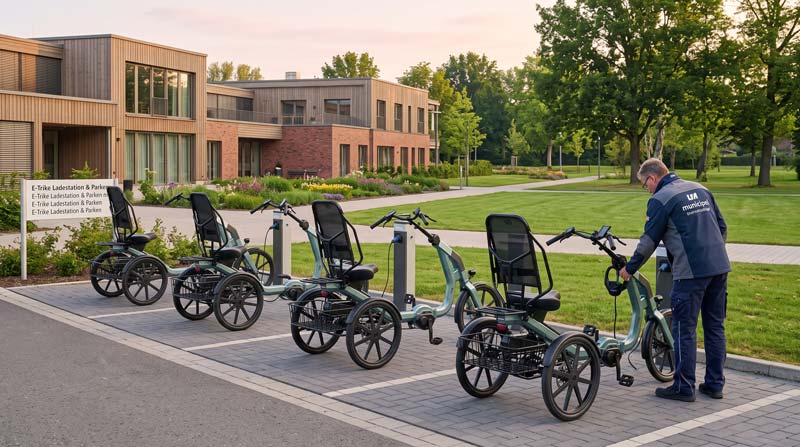
Electric Trike Fleets: Who Buys in Volume and What They Need
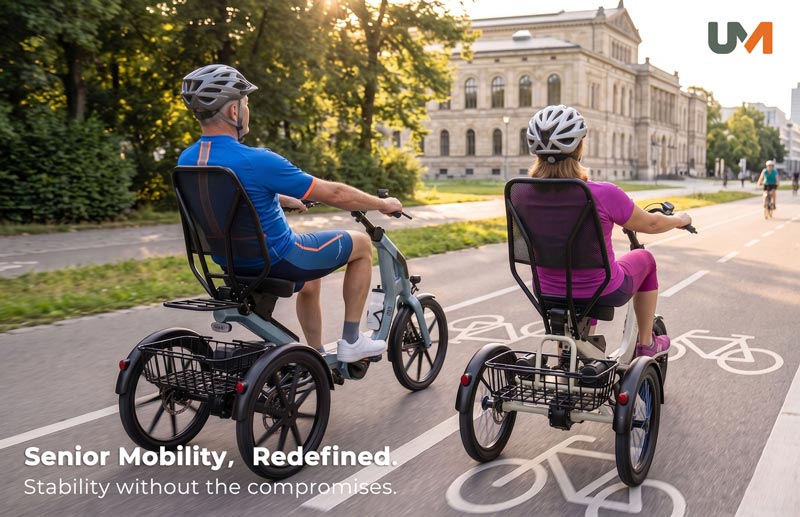
An electric trike fleet is bought by one person, ridden by dozens and judged on how many days it stays on the road. That makes fleet buyers very different from private buyers. They care less about how a trike looks in a showroom and more about how quickly it adjusts to the next rider, how well it copes with people who have never ridden three wheels, and how much downtime it causes over a season. For brands and distributors, they are also the most concentrated source of volume in the category. This piece covers the two groups that buy trikes in volume, what they need that a private buyer does not, and the questions worth settling with a supplier before a fleet order is placed. Who buys electric trikes in volume Holiday parks, campsites and resorts Leisure operators already treat bike...
Electric Trike Buying Triggers: When Non-Buyers Start Looking
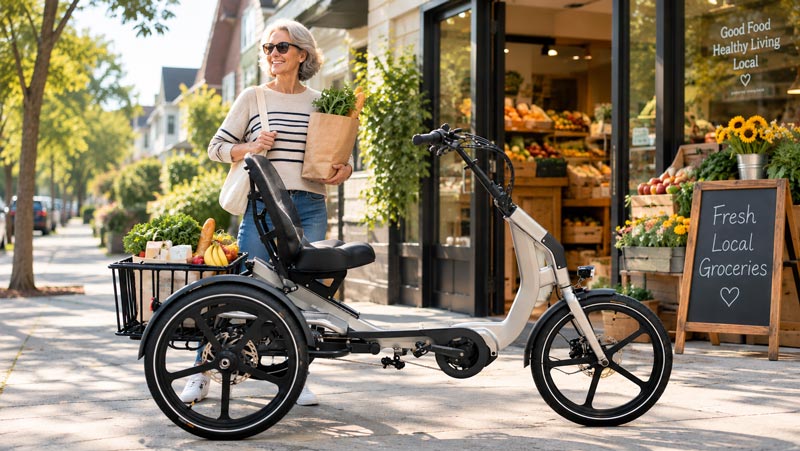
Electric trike buying triggers are rarely product-led. Someone who has never thought about a trike does not start searching because an ad was clever; they start because something in their life shifted. They stopped driving, retired, moved house, or found that a bicycle no longer suits the trips they still want to make. For a brand or retailer, those moments decide when a non-buyer finally starts to listen. And the first thing that person wants to know is not whether a trike is good exercise. It is whether it will get them to the shops and back. This piece maps the moments that turn non-buyers into buyers and the practical job that pulls them in. How to word the message once they are listening is covered in how to market electric trikes; this is about timing, occasion and motive. Why the...
Electric Trike Positioning: Winning the Gap Between the Bike and the Scooter
Every product occupies a position in the buyer's mind, and the electric trike's is unusually valuable: it is the only thing that sits between a bicycle the rider can no longer manage and a mobility scooter they are not ready to accept. Get electric trike positioning right and you own that middle ground outright, because almost no brand claims it on purpose. Get it wrong and you land at one pole or the other, competing with products the buyer has already rejected. For a brand, distributor or retailer, this is where the growth quietly lives. The middle is not a compromise — it is a category of its own, and the people standing in it (able to pedal, unwilling to be seen on a scooter, no longer confident on two wheels) are the largest untapped segment in the market. This piece...
 English
  German
  Dutch
Dutch  Danish
  French
  Polish
  Portuguese
  Spanish