Three-Wheeled Cargo Bikes

Qualified By:

EU Standards and certificate needed for cargo e bike

What Are Three-Wheeled Cargo Bikes?

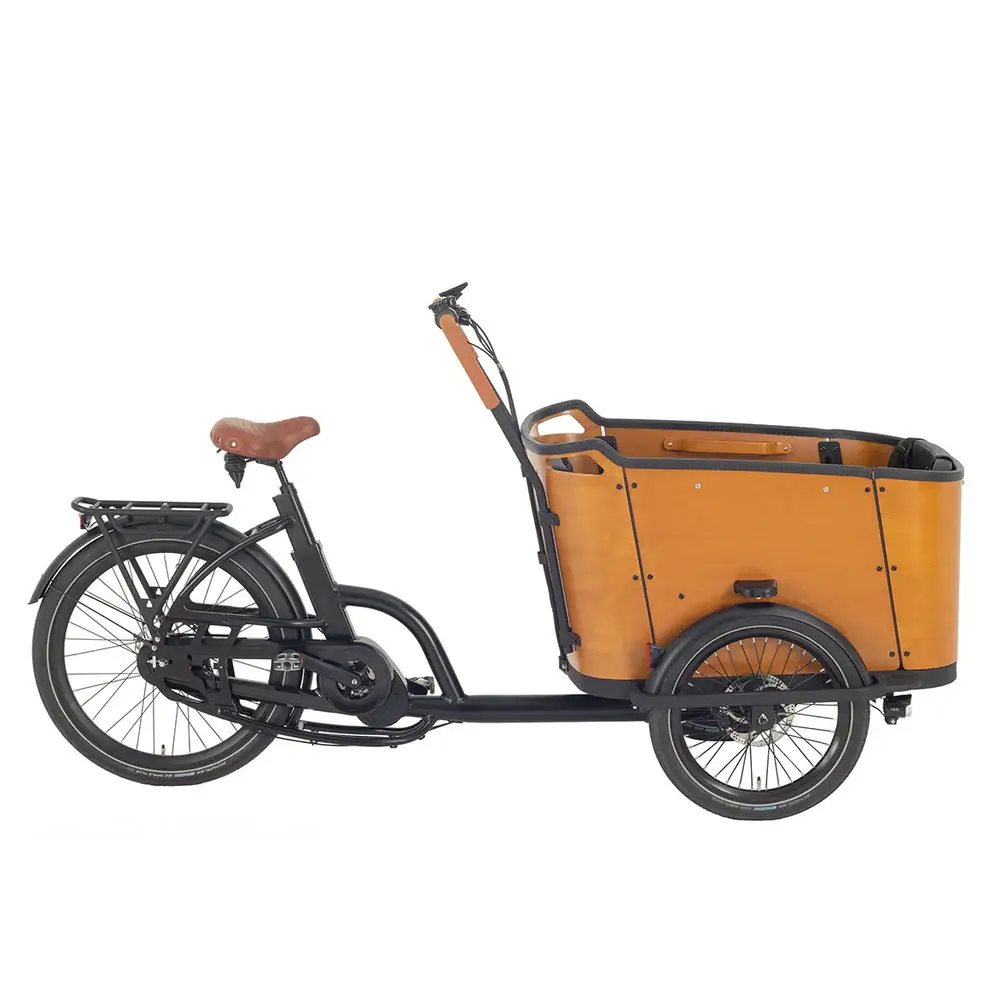
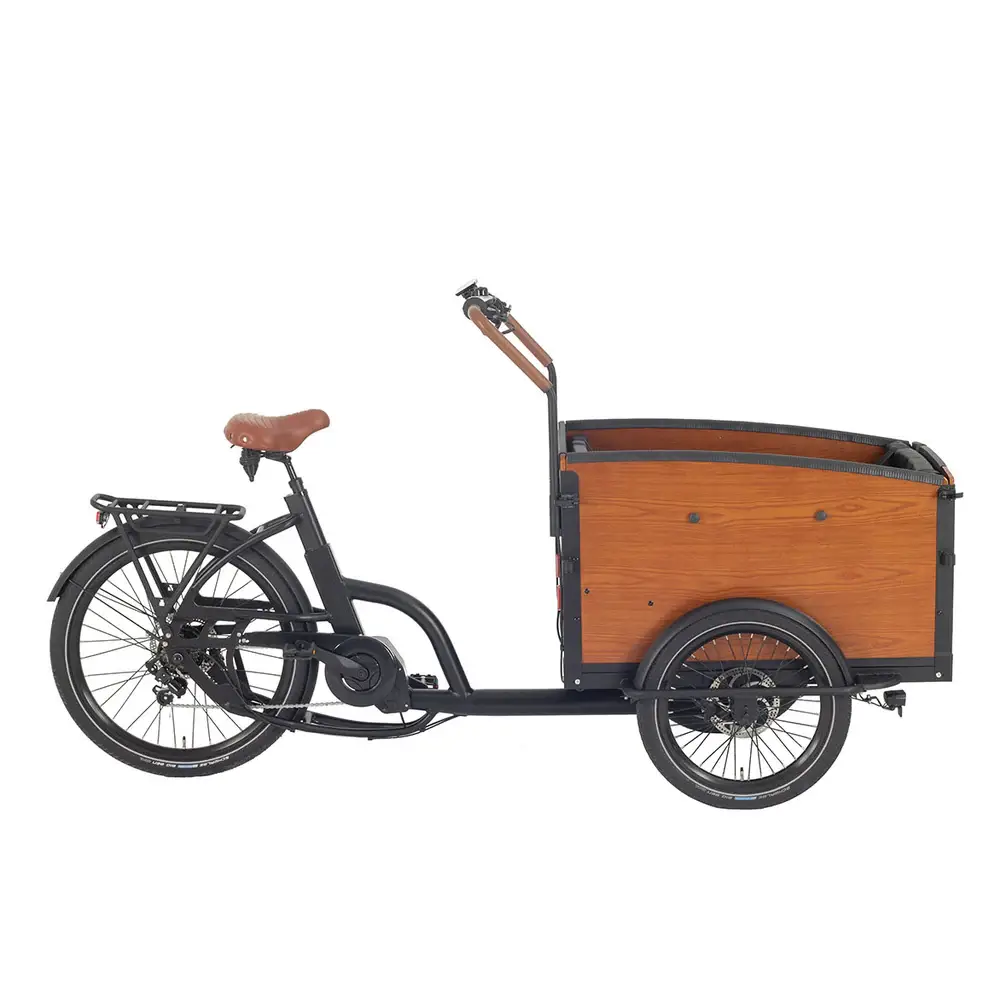
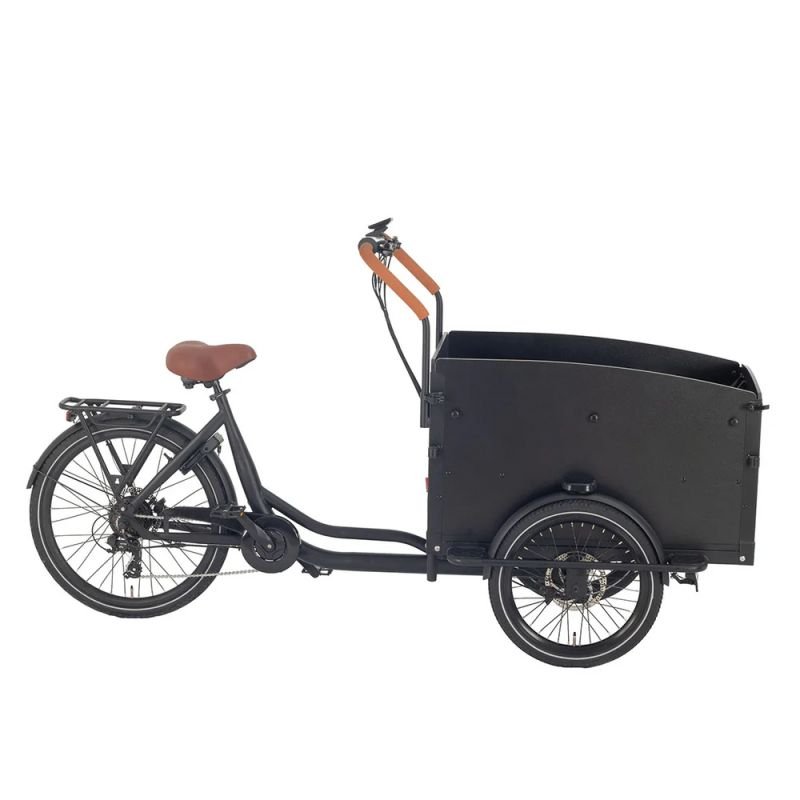
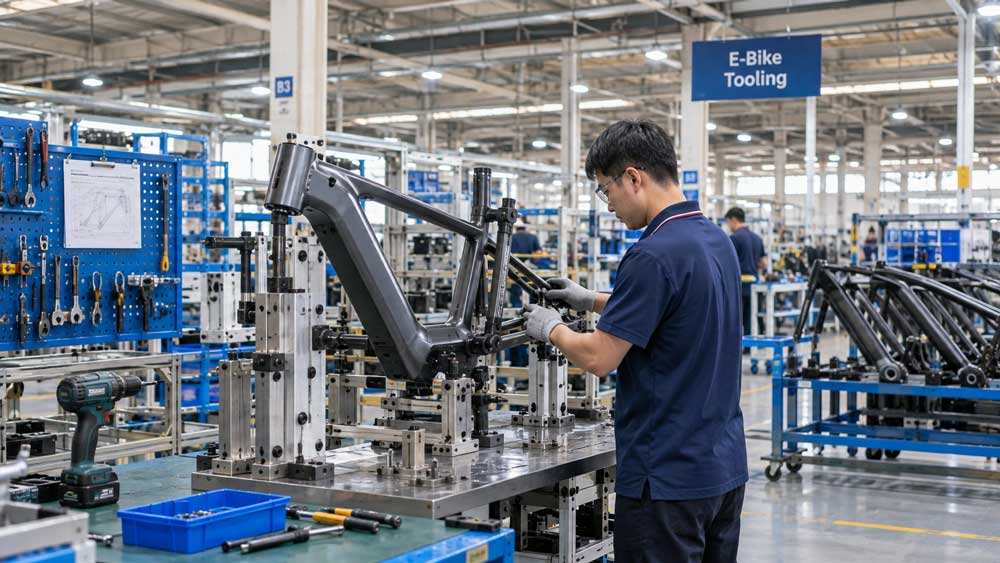
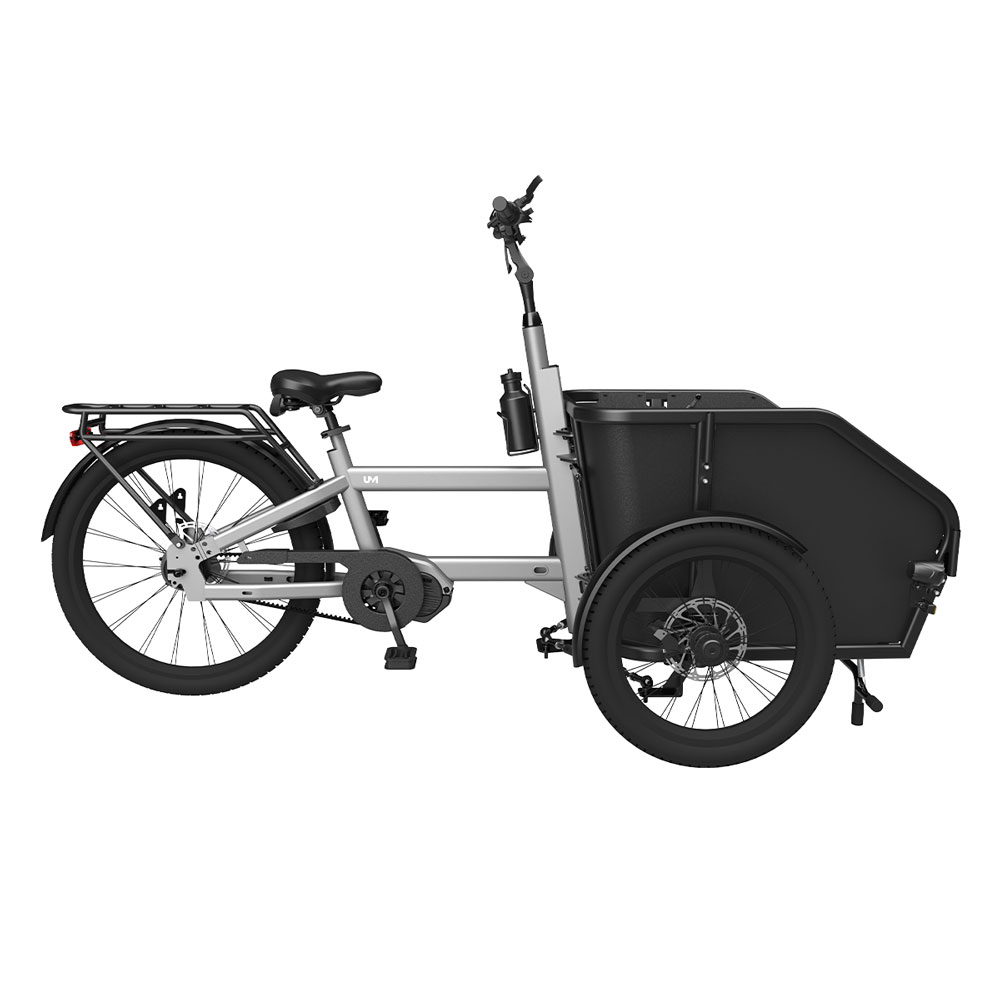
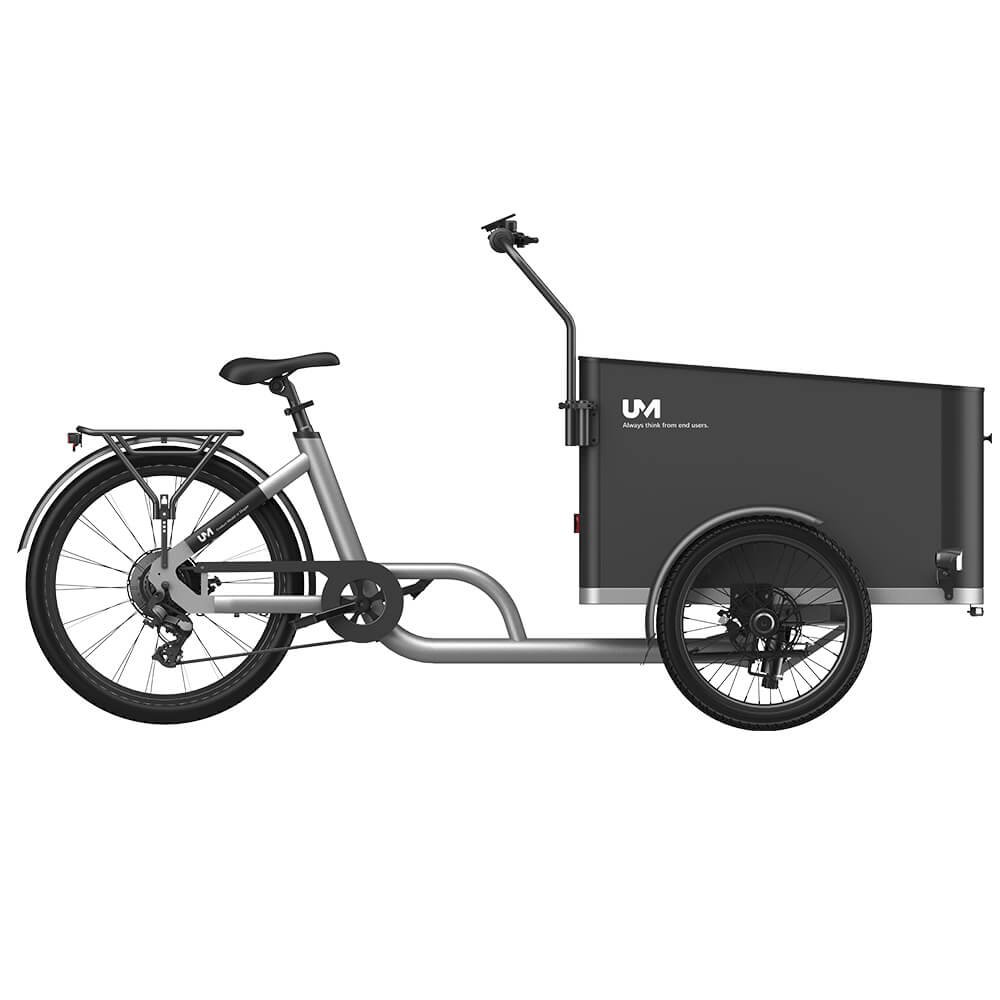
Three-wheeled cargo bikes —also called three wheel cargo bike or 3 wheels bicycle, are purpose-built utility bicycles designed to provide enhanced stability, higher payload capacity, and easy handling for both commercial and family-oriented applications. Unlike two-wheel front loader cargo bikes, the three-wheeled format distributes weight across a wider base, enabling slower-speed maneuverability and safer loading operations.

In Europe, this category continues to expand rapidly, supported by city logistics needs, low-carbon mobility goals, and increasing demand for safe family transport. As many cities transition to e-mobility and micro-transportation solutions, three wheel cargo bikes are taking over Europe for courier fleets, campus mobility, retail delivery, elderly mobility, and municipal services.

Explore the models below to find the right fit — or contact us for tailored OEM & ODM support.

Main Types of Three-Wheeled Cargo Bikes

1. Front-Load Tadpole Cargo Bike (Two Wheels in Front)

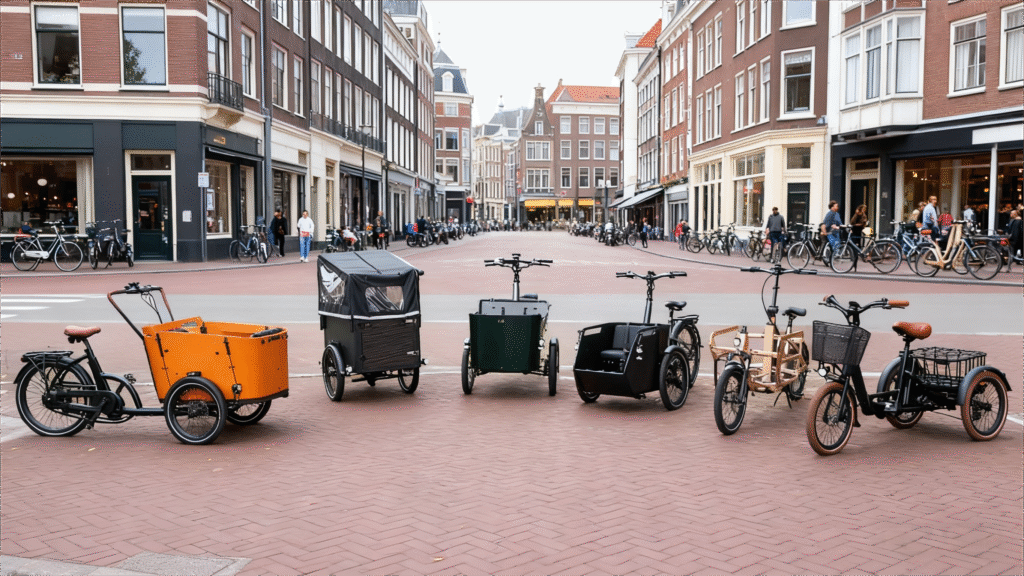
Often referred to as three wheel front-loading cargo bike or traditional bakfiet, this design places two wheels at the front with a spacious box positioned between them. This configuration offers:

  • Excellent low-speed stability
  • Direct view of cargo or children
  • Large-volume box options (e.g., 200–350L)
  • Suitable for family cargo e-bike applications, kindergarten shuttles, and commercial use

This is the most recognizable style in Northern Europe and commonly associated with Dutch-style bakfiets.

Tadpole electric cargo bike Flow for Family Use

UM Flow

Featuring a low center of gravity and compact design, Flow offers superior balance and agile handling, even when fully loaded.
UM Swift

UM Swift

With tilt steering for smooth handling, easy parking, and a spacious, lightweight cargo box.
UM High Capacity Cargo Bike SE

UM SE

Extra-large capacity, fitting up to 4 children. Your first step into cargo biking simple, reliable, and ready for any daily task.

Family C

Affordable family adventures, designed for everyday convenience without compromising comfort.

Family S

Elevate your ride with premium comfort and luxury, perfect for families seeking the best.
Starter1

Starter

A classic, no-fuss cargo bike—stable, durable, and built for everyday use.

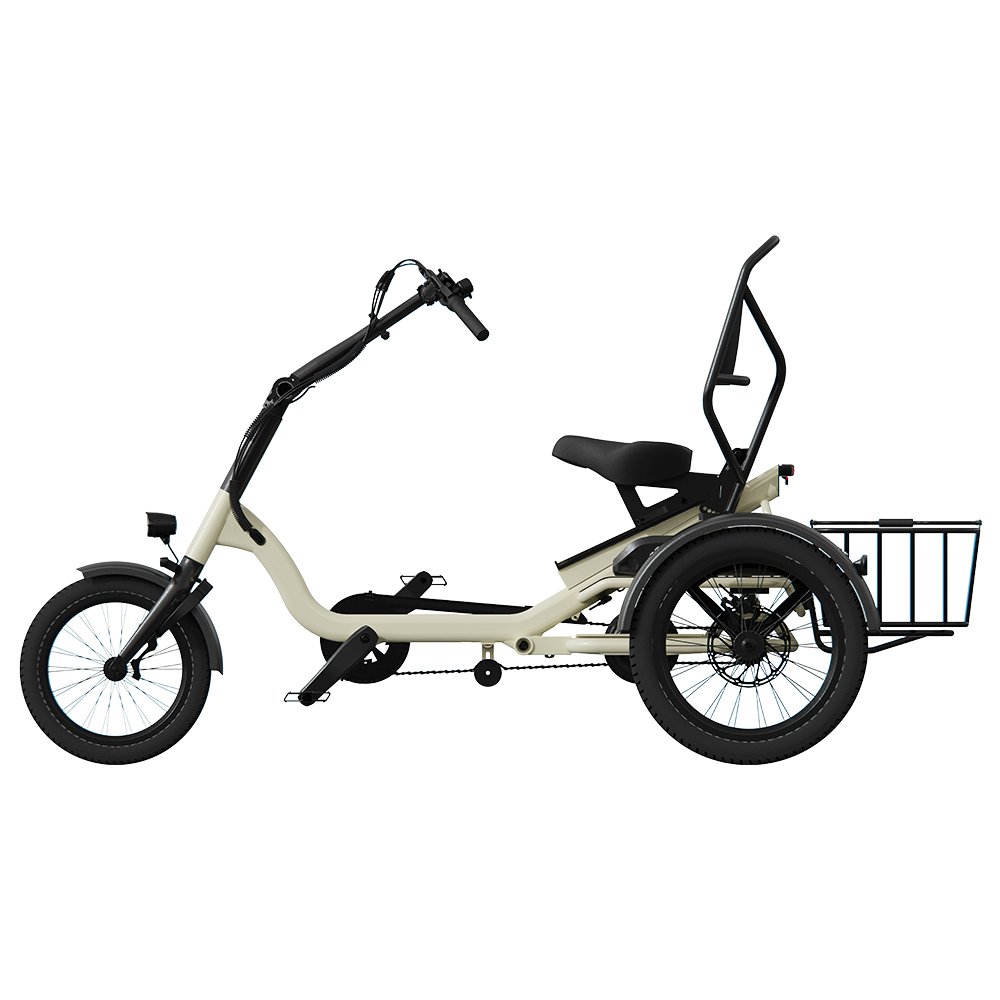
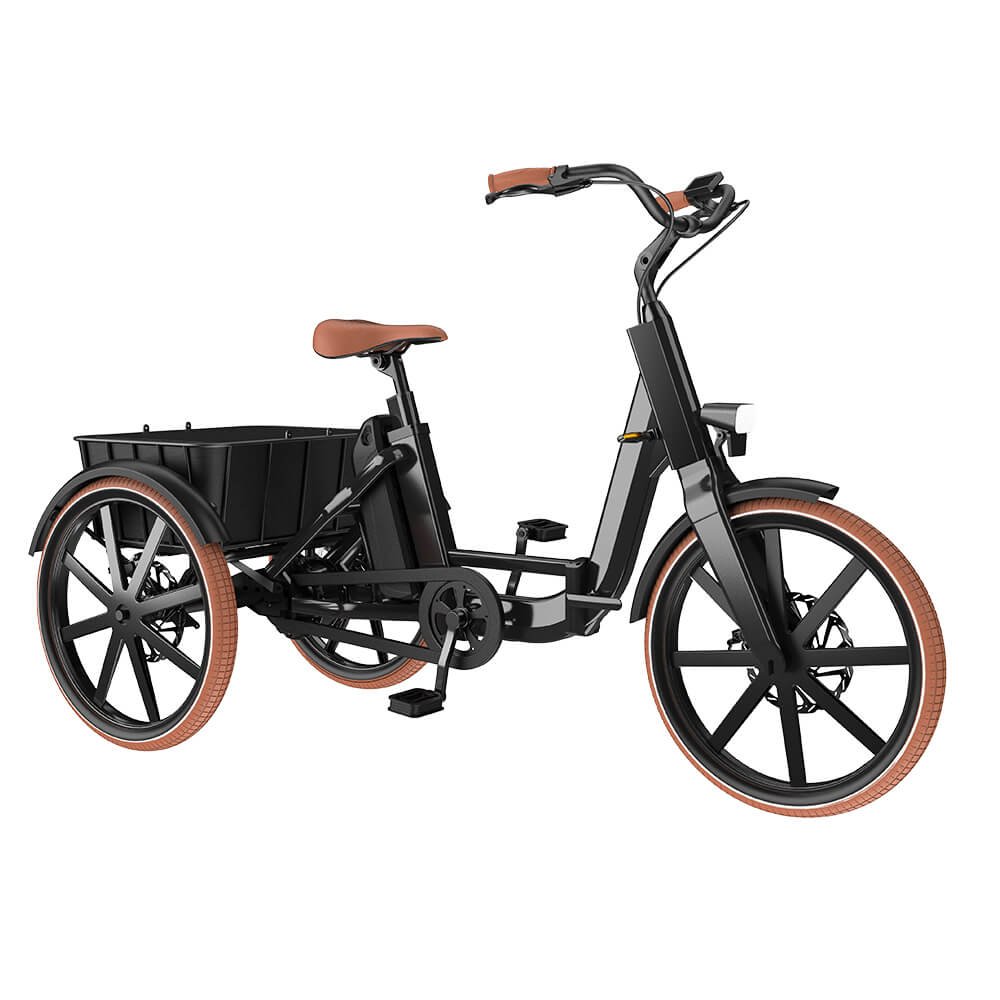
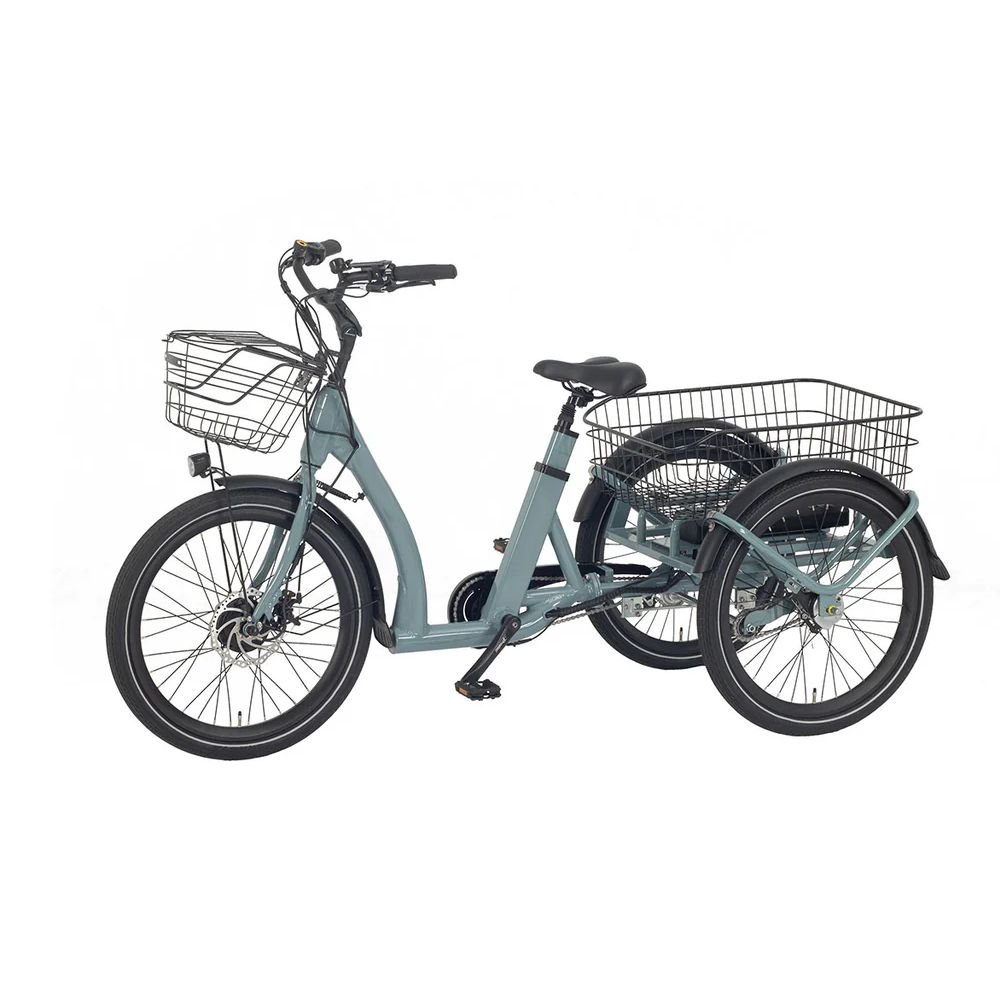
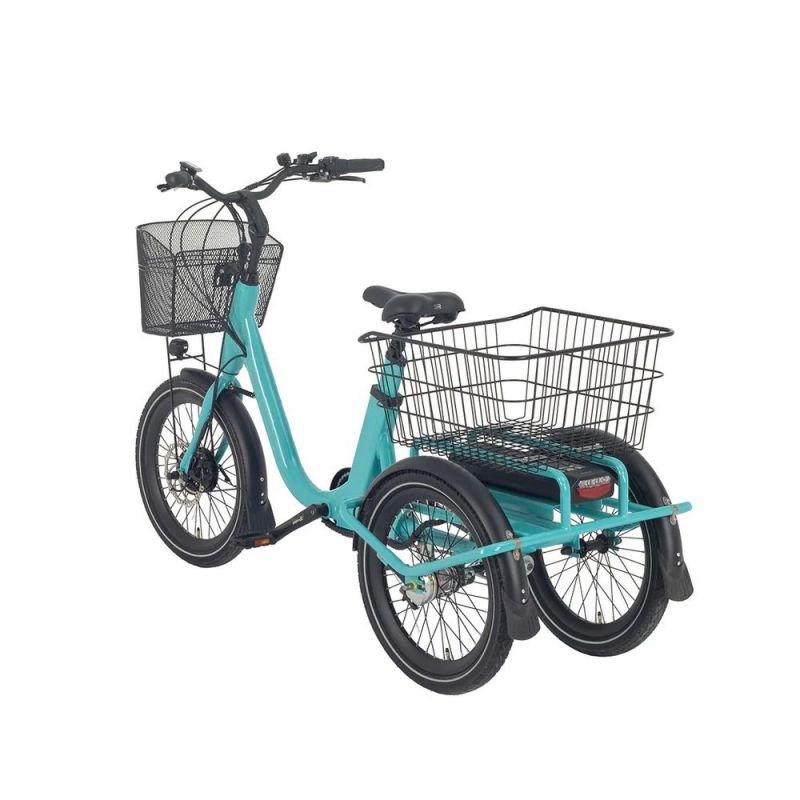
2. Rear-Load Adult Tricycles (Two Wheels at the Rear)

Rear-load models place the cargo platform, rack, or basket behind the rider. In practice, buyers evaluating rear-load adult tricycles tend to focus on ride stability, load access, and how easily the bike fits into everyday routines—factors that often influence resale performance and long-term demand. For a closer look at real buyer expectations and decision logic, see What People Really Look for in an Electric Tricycle — And How You Can Choose the Right Models to Sell.

Rear-load electric tricycle cargo bike come in two subtypes:

Semi-Recumbent / Recumbent 3-Wheel Bikes for Adults

A more ergonomic, relaxed riding posture with a supportive backrest.

Benefits:

  • Less strain on shoulders and wrists

  • Comfortable long-distance riding

  • Better weight distribution

Ideal for older adults, riders with limited mobility, or leisure touring. This aligns with the customer’s query of recumbent 3 wheel bikes for adults.


As interest grows around aging-friendly and comfort-oriented mobility in developed countries, this category is increasingly viewed not as a niche, but as a long-term solution for daily riding. A deeper look can be found in Electric Recumbent Tricycles Built for Comfort, Stability, and Long-Term Riding.

2025 UM New Electric Trike CHILL-2

UM Chill

A compact, transportable recumbent electric trike designed for riders who prioritize comfort, safety, and easy handling in urban environments.
Electric Trike Vita

UM Vita

Daily-use lightweight compact recumbent electric trike: low step-through frame facilitates easy access for seniors and delivers stable, sure handling for comfortable rides.

Upright Adult Trikes

A practical option for senior riders and mobility-assistance needs.

Benefits:

  • Less strain on shoulders and wrists
  • Comfortable long-distance riding
  • Better weight distribution
    Ideal for older adults, riders with limited mobility, or leisure touring.


This category also responds to a frequent customer request for trikes with a lower center of gravity — a feature many buyers typically associate with “bakfiets-style” stability. Upright rear-load trikes provide exactly that enhanced balance and confidence for adult riders.

2025 UM New Electric Trike TRIOGO 1 -2

TRIOGO 1

A compact, stable electric cargo trike designed for modern urban families, senior riders, and light commercial use.
e trike heal middle

Heal Middle

It features anti-tilt self-balancing technology for enhanced stability, especially for seniors or less experienced riders.
electric trike heal mini

Heal Mini

With a 20-inch tire design and low body for easy mounting, it’s perfect for seniors and beginners.
Who Uses Three-Wheeled Cargo Bikes?

Applications in Real Scenarios

  • Urban parcel delivery
  • Food & grocery delivery
  • School transportation
  • Elderly shopping mobility
  • Campus maintenance logistics
  • Green city mobility projects
  • Pet transport
  • Tourism and resort mobility

Whether you wish to create a fully customised design from scratch or select from our extensive range of pre-designed models, we provide tailored cargo bike solutions to meet your needs.

three-wheeled cargo bikes

Electric 3-Wheeler Cargo Bike Market

The electric three-wheeler cargo bike market is becoming a noteworthy growth segment within the broader sustainable mobility landscape.

From a commercial perspective, three-wheel bikes offer inherent advantages over two-wheel cargo platforms when payload stability and ease-of-use are key decision criteria. Their static stability at stops, predictable cornering, and generous cargo capacity have made them attractive not only for last-mile delivery and logistics but also for households with significant transport needs. Indeed, user conversations on cycling forums show that many individuals considering family cargo solutions explicitly explore cargo trikes because they don’t want to worry about balance while starting or stopping, especially when transporting young children or heavy loads on local trips.

While the front-load three-wheeled cargo bike remains the mainstream format due to its intuitive loading and direct visibility, a newer trend is emerging that links functionality with rider comfort for a different kind of user need: semi-recumbent tricycles. This format is already gaining traction in Europe as part of a broader shift toward inclusive mobility solutions. Semi-recumbent electric trikes lower the center of gravity, reduce effort at the pedals, and make mounting/dismounting easier—features that resonate strongly with the elderlys, people with balance concerns, and anyone valuing ergonomic comfort over athletic posture. This trend, which we explore in more detail in Beyond Three Wheels: The New Trend of Semi-Recumbent Trikes in Europe, reflects how mobility products are evolving beyond pure utility into emotionally and functionally supportive tools.

Another real-world signal comes from community feedback: many riders interested in a European cargo trike for large families appreciate the intuitive stability but also highlight trade-offs. In online discussions, potential buyers often weigh the ease of use of trikes against maneuverability in tight urban spaces, with seasoned cargo bike users suggesting careful consideration of turning radius and handling dynamics.

For B-end stakeholders—OEMs, distributors, fleet operators—this segment’s growth presents both opportunities and challenges. On one hand, the integration of advanced battery platforms (extending range and reducing downtime) and modular cargo configurations aligns with commercial fleet needs. On the other, regulatory fragmentation across EU countries and payload certification standards still require strategic attention as adoption scales.

In summary, the electric 3-wheeler cargo bike market is not just expanding in volume; it is becoming more differentiated. Aligning product portfolios with these nuanced needs positions brands and partners to capture both the traditional logistics segment and the expanding personal mobility segment in one comprehensive strategy.

As A Bike Factory, We Can Offer More Than These

Frequently Asked Questions (FAQ)

Have a really
great ides?

Leave A Message

Tell Us Your Demand

Our experienced team is ready to provide tailored solutions to support your business growth.

Our Blog

Latest Blog & Articles

Discover more about the latest innovations, industry trends, and product introductions from the leader in Bike Industry.

CKD vs SKD Ebike Assembly: Three Modes, and the Decision You Cannot Undo

CKD vs SKD ebike assembly looks like a freight question. It is really a question about who finishes the vehicle, who tests it, and whose name goes on the declaration of conformity. The three modes differ by roughly a factor of three in what a container carries, and by more than that in what your workshop has to be able to do. What each mode actually contains The three abbreviations are used loosely, so start from what physically arrives on the dock. CBU (complete build unit). A rideable bike in a carton. The importer checks it over, adjusts brakes and tyre pressure, and it goes on the floor. Nothing is assembled. SKD assembly (semi knocked down). The frame arrives joined, painted and usually with the drivetrain fitted. The front end is off: fork and bars separate or loosely located, front wheel...
Commuter Ebike OEM: What You Are Actually Building Before the First Purchase Order

Commuter ebike oem work is usually described as a product decision. It is closer to a property decision: what you own at the end — the frame design, the tooling, the technical file — is settled long before anyone rides a sample. This guide covers the five decisions that lock at tooling, the arithmetic behind open mould versus dedicated tooling, and which parts of the compliance file stay with you once your brand is on the down tube. What a commuter ebike OEM relationship transfers to you The words are used loosely in this industry, so it is worth being concrete. In an ODM arrangement you license a platform the factory already builds: you choose colours, battery capacity and a few components, the geometry and the moulds stay theirs, and the same frame will appear under three other brands in the...
City Ebike Wholesale Europe: The Seven Specs That Decide Whether You Reorder

City ebike wholesale europe is a specification audit wearing the clothes of a price negotiation. The four numbers on a quotation — 250 W, 25 km/h, 80 km, IPX4 — are each defined somewhere, and each can be perfectly true on paper while the bike behaves differently in a Dutch February. This guide gives a European distributor seven checks to run before signing, what a durable answer looks like, and the reply that should end the conversation. What 250 W continuous rated power actually means The 250 W figure on a European city ebike is a declared continuous rating, not a measurement of what the motor can deliver on a hill. Regulation (EU) No 168/2013 keeps pedal cycles out of vehicle type approval on three conditions at once: the auxiliary motor's maximum continuous rated power does not exceed 250 W, the...

en_USEnglish