Family Bike Solution
- Home
- Solutions
- Family Bike
Qualified By:

Family Bike Solutions Tailored for Modern Urban Life
Introduction:Why Family Bikes Matter — And Why Your Market Needs Them
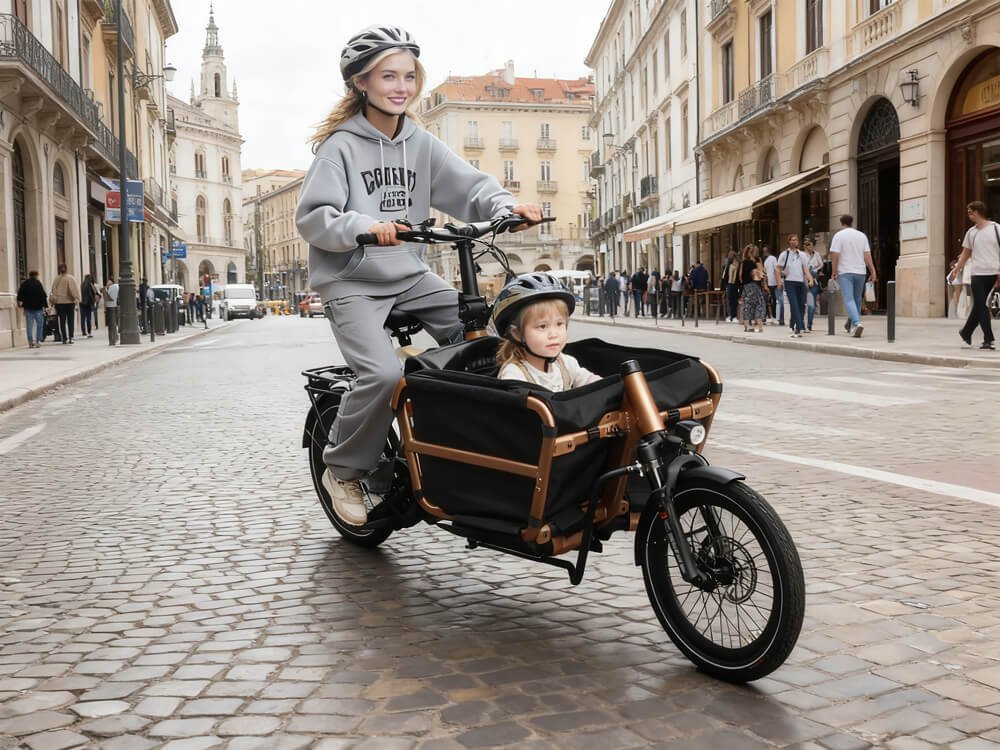
Across Europe, family bikes have quickly moved from a niche product to a daily essential. Parents are choosing bikes over cars for school runs, grocery trips, weekend outings, and everything in between. Cities are encouraging low-carbon mobility with better cycling lanes, subsidy programs, and safety regulations that make riding with kids more accessible than ever.
As the demand grows, so does the expectation for better design. Families want a bike that is safe, easy to handle, practical for children and cargo, and robust enough to replace short car journeys. This shift has created a strong opportunity for brands, wholesalers, and mobility operators who can offer a reliable and family-friendly cargo bike line.
At UM, we help you build exactly that.
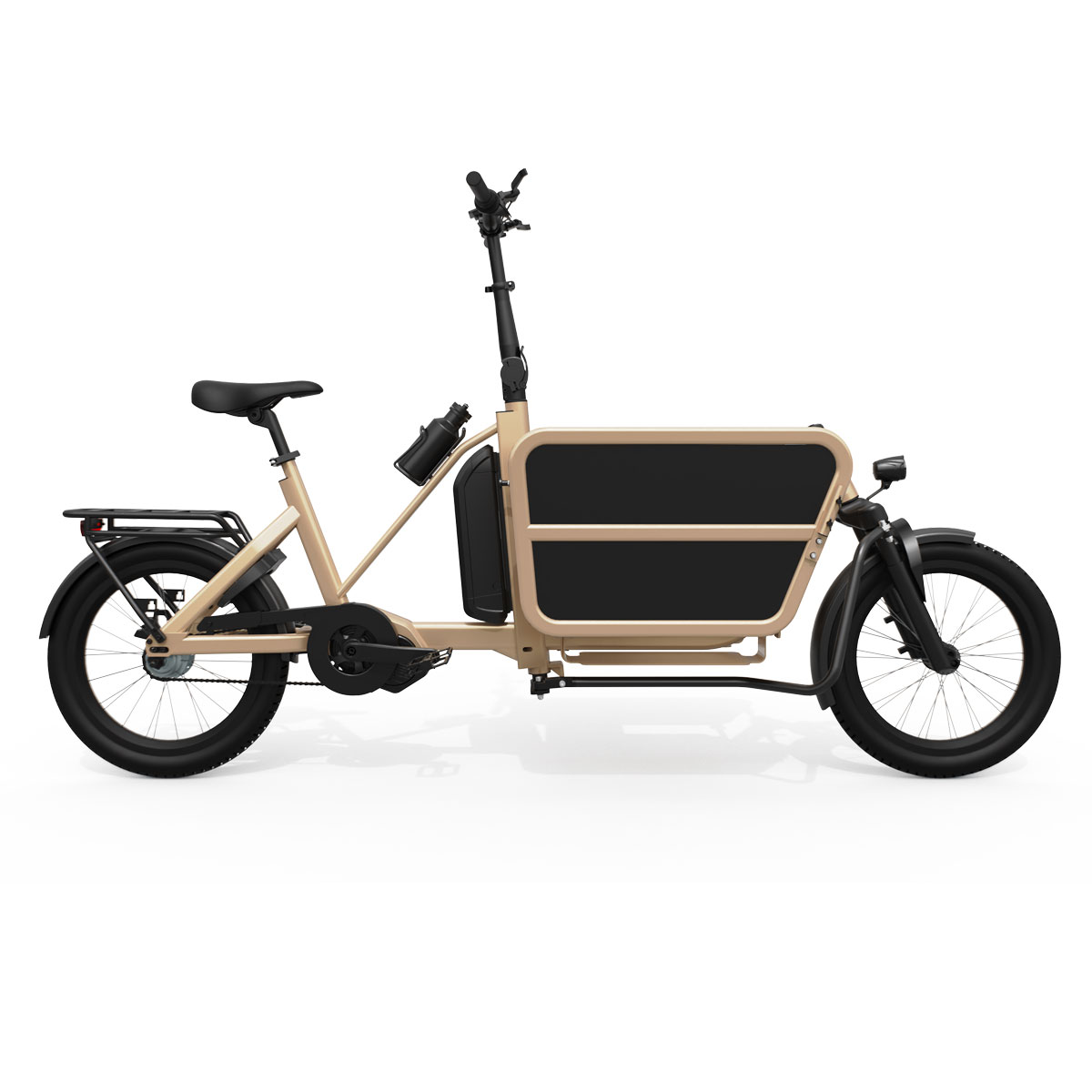
We design and manufacture customizable family cargo bikes—both two-wheel longtail and three-wheel e-cargo formats—with flexible while robust frame, modular design, various components, and a production system built around European safety expectations. Our bikes meet EN 17860 and EN 15194 standards, and our batteries comply with EN 50604-1, ensuring the safety and reliability European families demand. Our team supports you from concept to mass production, ensuring your family bike lineup reflects real everyday needs, local market habits, and your brand positioning.
Below, you’ll find our core family bike models. Each can be customized, adapted, or redeveloped from the ground up depending on your target families, riding habits, and regional regulations.
UM's Recommendation on Family Cargo Bike Solution
How to Choose the Right Family Bike for Everyday Life
Choosing the right family bike is less about specifications and more about how it fits into daily life. School runs, grocery trips, weekend outings—each scenario places different demands on space, stability, and ease of use.
For families transitioning from cars to family-friendly transport, the key is to match the bike type with real usage habits, not just capacity on paper.
- Daily School Runs and Urban Mobility
- Growing Families
- Maximum Stability and Confidence
- Simplicity and Familiar Riding Feel
For Daily School Runs and Urban Mobility: Compact Two-Wheeled Solutions
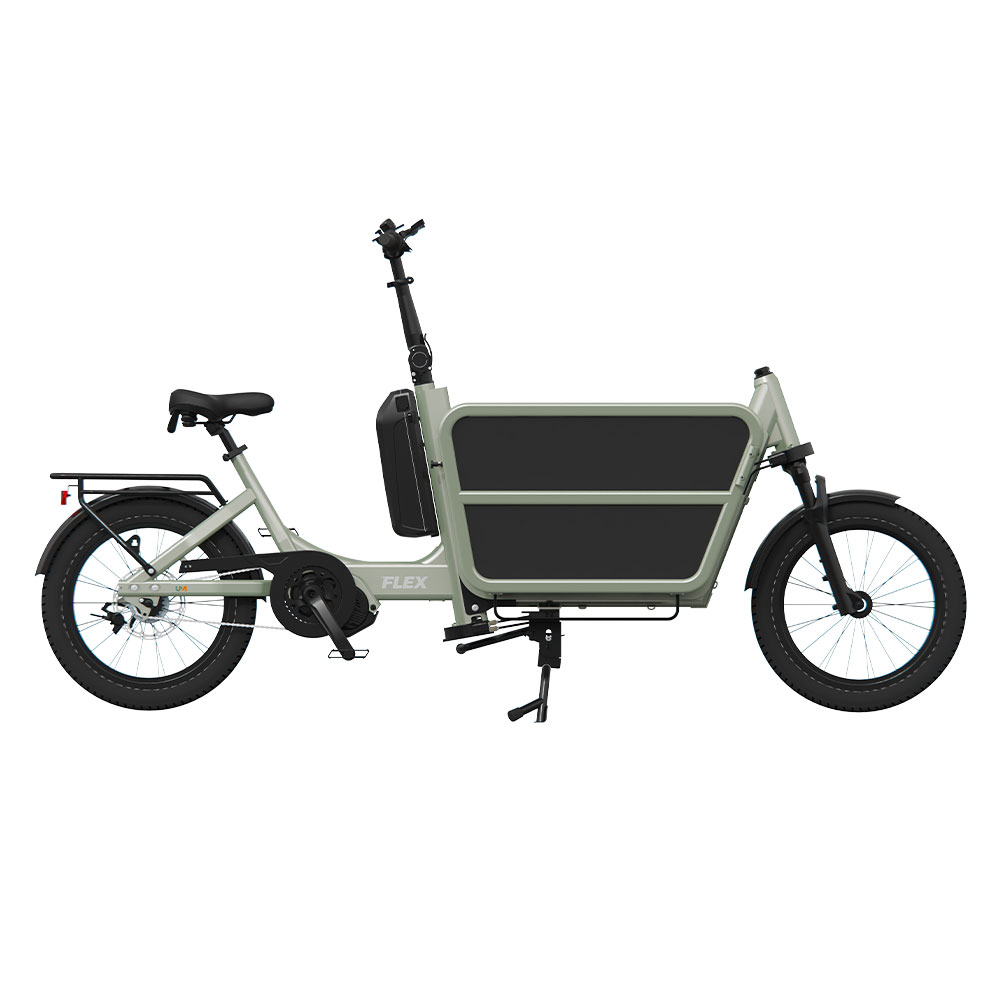
For most urban families, the priority is balance between capacity and maneuverability. Both compact long john cargo bike and longtail can offer a natural riding experience while keeping children safely in view.
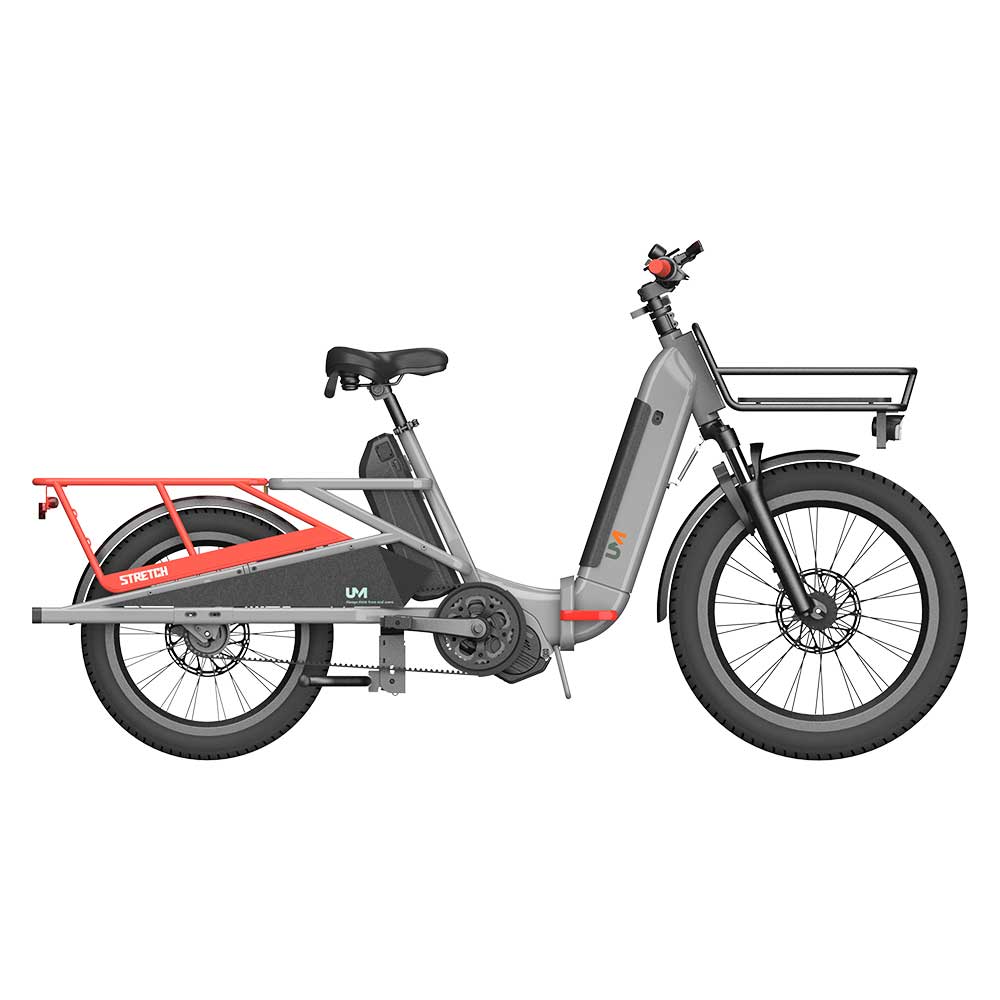
Models like UM Flex or UM Stretch are designed for:
- navigating narrow city streets
- easy parking and storage
- safe, enclosed child seating
Compared with larger cargo trikes, they’re designed feel closer to a standard bicycle, making them easier for new riders to adopt.
For a deeper understanding of why these formats dominate in Europe, see:
Long John Cargo Bike: Engineering, Safety, and Real-World Decisions
Longtail Cargo Bike Explained: User Insights That Shape Better Products
For Growing Families: High-Capacity Front-Load Cargo Bikes
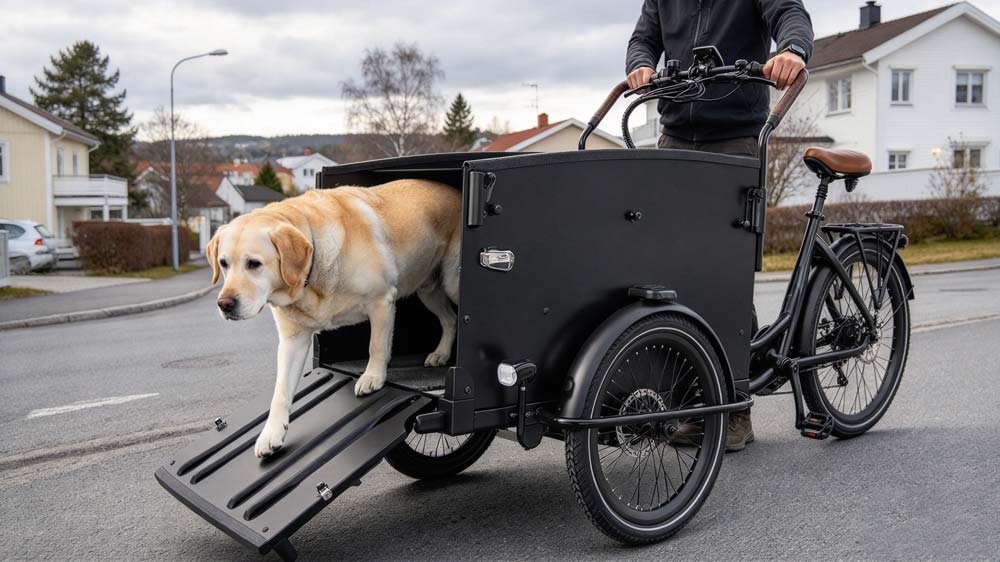
As family needs expand—two to four children(or having large pets), school bags, groceries—capacity becomes the defining factor.
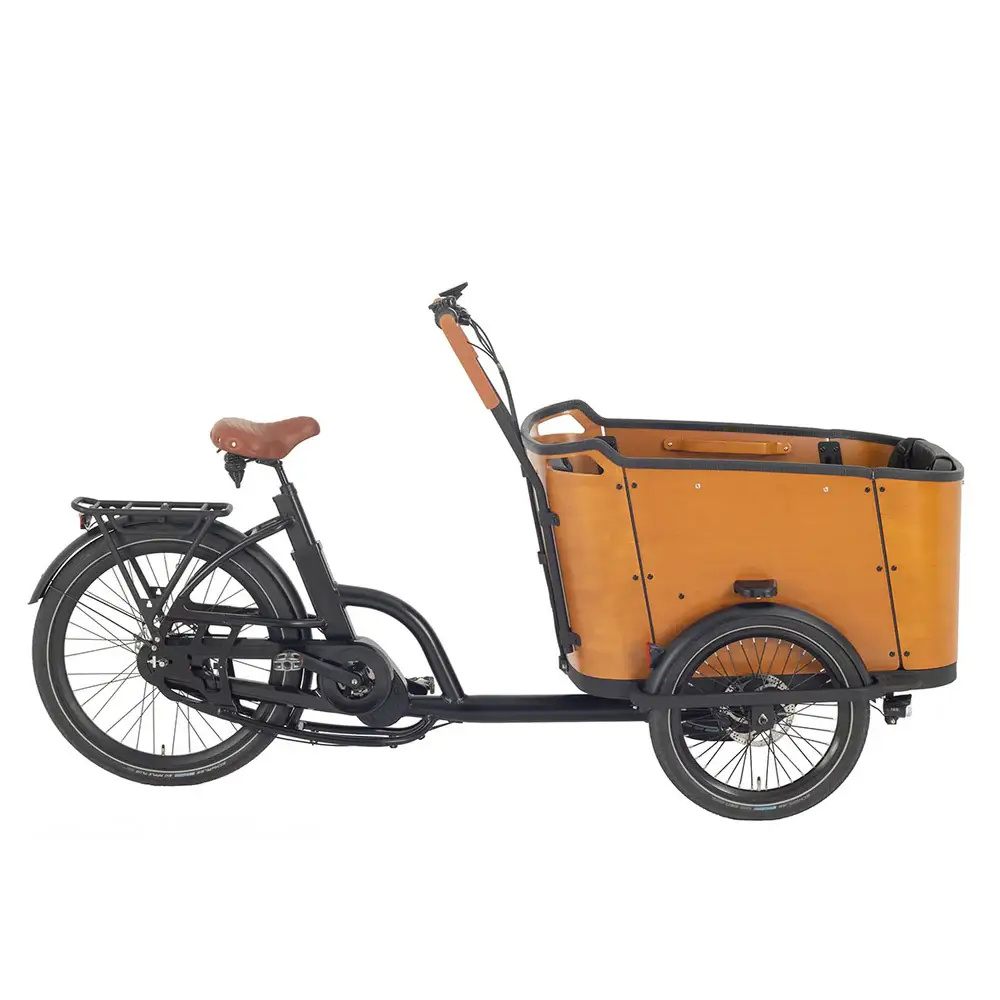
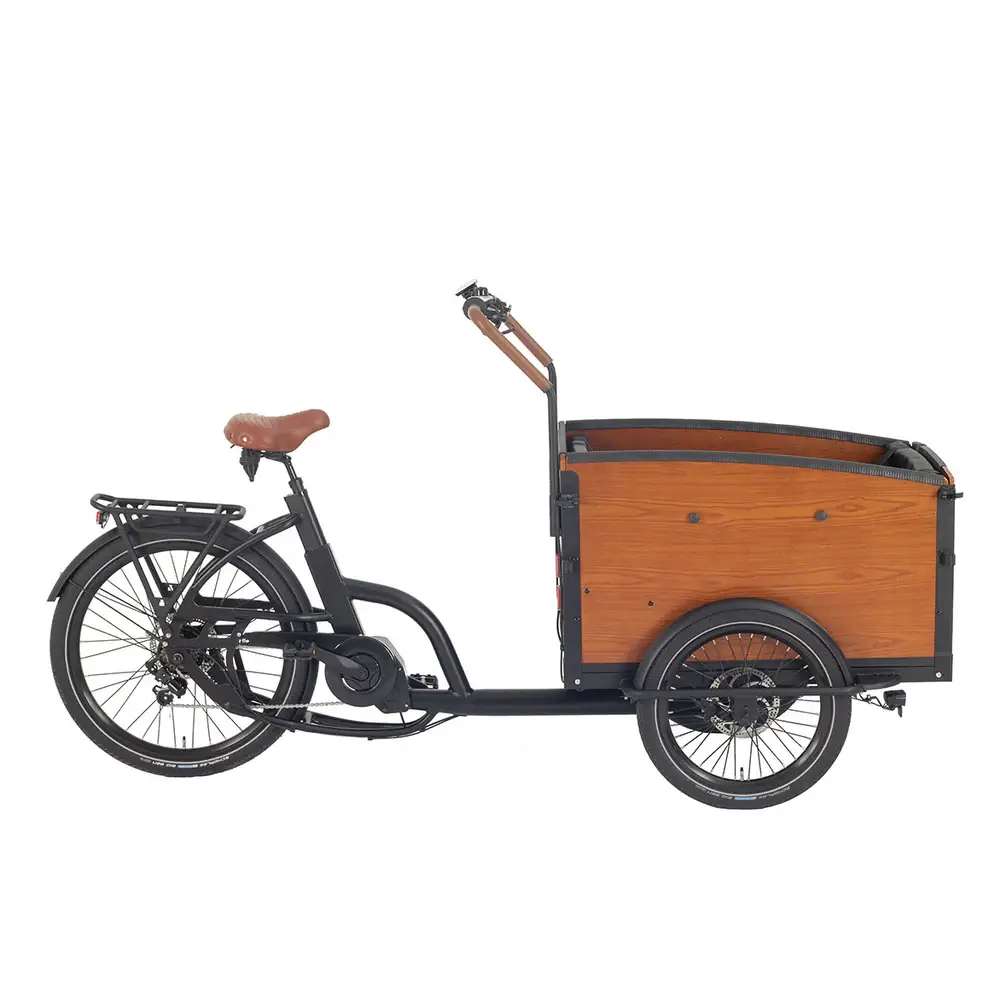
Larger front-load models such as Family C, Family S, or UM SE provide:
- higher load volume and weight capacity
- stable low center of gravity
- compatibility with multi-child seating systems
These bikes are well suited for families who rely on their electric bike for family transport as a primary mobility tool, replacing short car trips almost entirely.
For Maximum Stability and Confidence: Three-Wheeled Family Options
For some riders—especially those new to cycling, or carrying multiple children—stability at low speeds is critical.
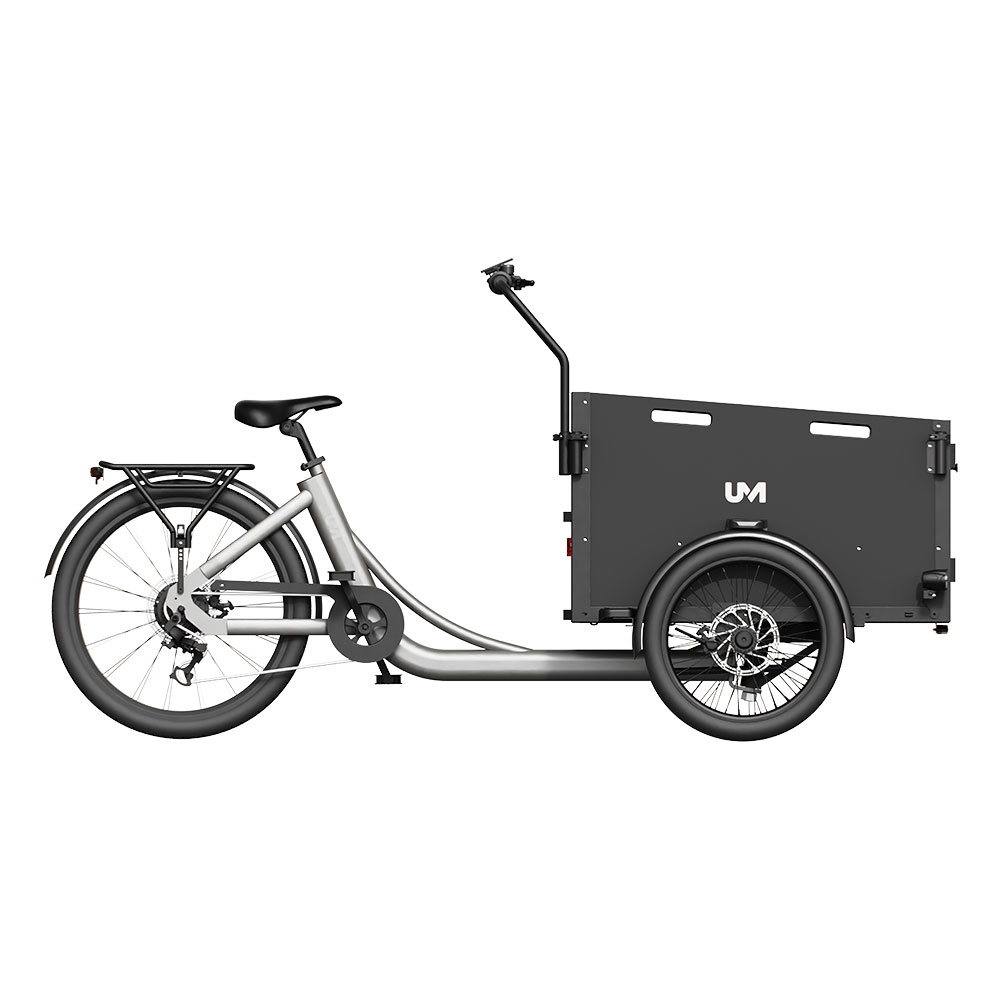
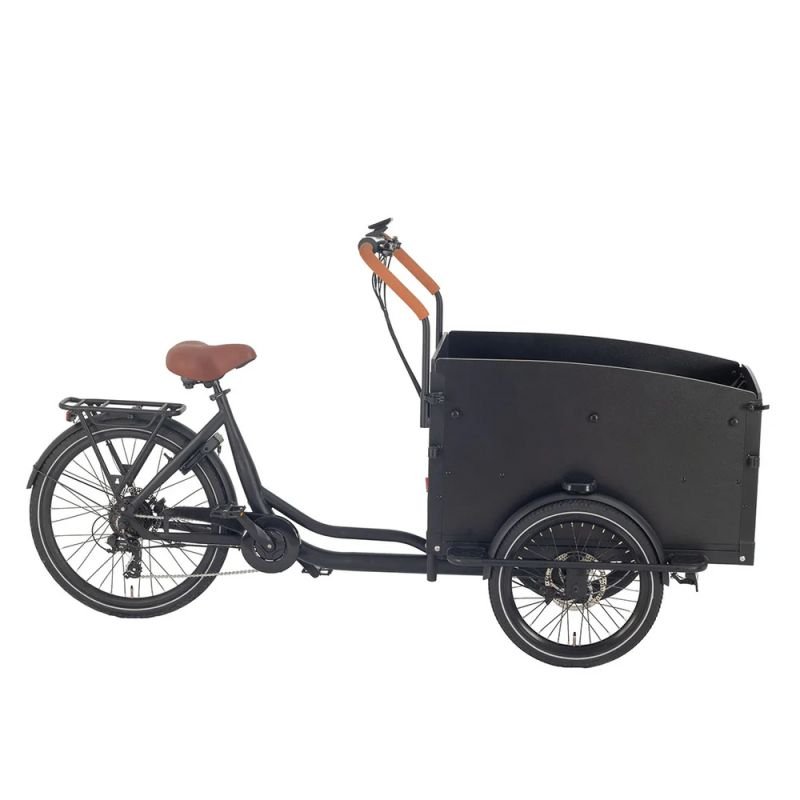
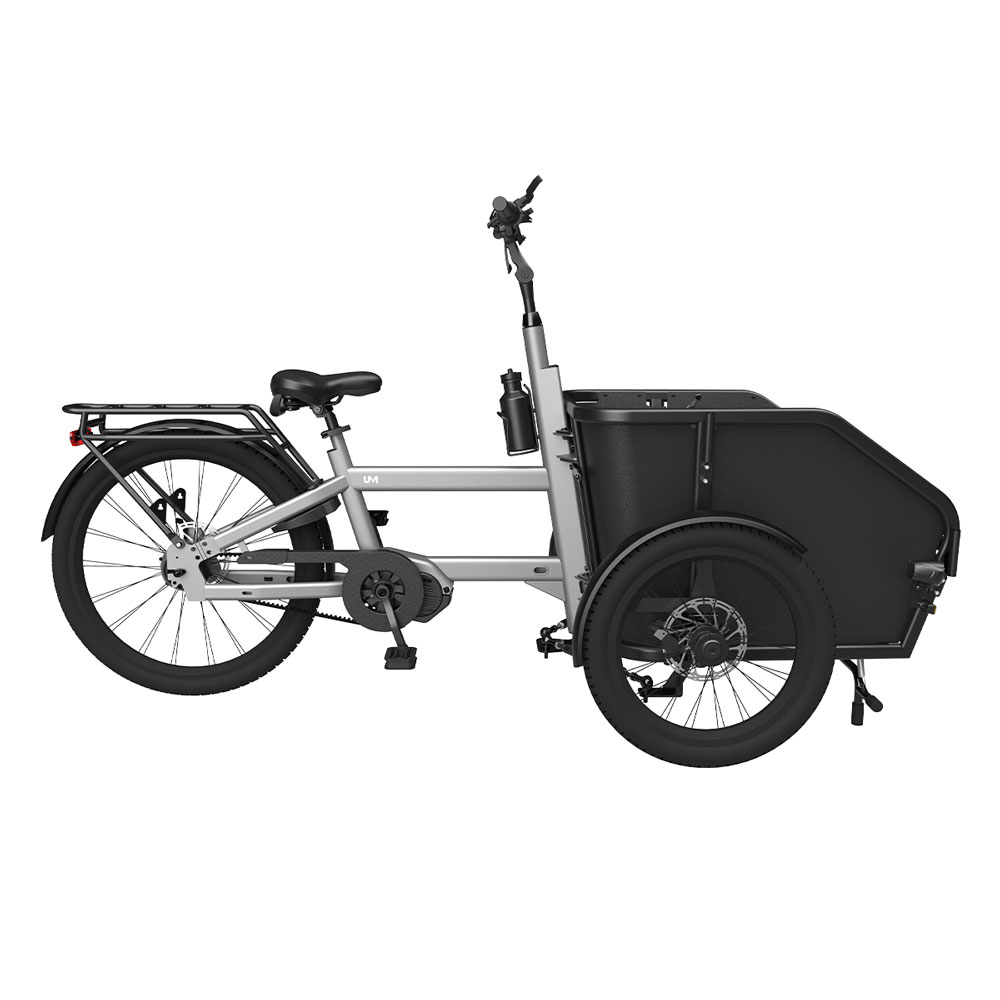
Three-wheeled cargo bikes like UM Flow provide:
- stable handling when stopping and starting
- strong load support for heavier configurations
- added confidence for less experienced riders
While they require more space and have a different riding dynamic, they remain a preferred option for families prioritizing safety and ease over speed and compactness.
For Simplicity and Familiar Riding Feel: Longtail Family Bicycles
Not every family needs a front cargo box. For those prioritizing compact storage and a familiar riding posture, longtail bikes like UM Stretch offer a practical alternative.
They are especially suitable for:
- shorter daily trips
- older children riding on the rear rack
- riders who prefer a traditional bicycle feel
Longtails also tend to have a shorter learning curve, which can be an important factor for first-time cargo bike users.
For more insights into rider-focused design and comfort considerations, see:
→ Longtail Ebike for Women: Key Design, Comfort, and Use-Case Insights
In practice, there is no single “best” family bicycle—only the one that aligns with how it will be used every day.
- Compact city living → Two-wheeled cargo bike (Longjohn Zip / Longtail Stretch)
- Larger families → Front-load cargo with larger box (Family C / S / SE)
- Simple, flexible use → Longtail (Stretch)
- Maximum stability → Three-wheeled cargo bikes (Flow)
The most successful transitions to family-friendly transport happen when the bike fits naturally into daily routines—making it easier, not more complicated, to replace car trips.
What Families Truly Need in a Cargo Bike
When families shop for a cargo bike, they rarely start by comparing specs. They start with feelings:
‘Will this be safe for my kids? Can I trust it in traffic? Will it replace the car without making life harder?’
From talking to dealers, European riders, and industry experts across the cargo-bike sector, these are the core insights:
1. Safety they can see and feel
2. Easy everyday handling
3. Room for real family life
4. Comfort for long-term use
5. True electric support
Everyday Scenarios Where Family Bikes Win
Family cargo bikes succeed because they solve real problems in daily life.
Here are the scenarios that most often drive purchase decisions—and that should shape your product strategy:

Family Cargo Bikes ODM
We develop frames, boxes, molds, and tubing entirely in-house, allowing full customization of geometry, components, load capacity, branding, lighting systems, drivetrain configurations, and more. Our production is optimized for European regulations, and we support OEM or ODM projects depending on your business strategy. Whether you wish to create a fully customised design from scratch or select from our extensive range of pre-designed models, we provide tailored cargo bike solutions to meet your needs.
Have a really
great ides?
Leave A Message
Tell Us Your Demand
Our experienced team is ready to provide tailored solutions to support your business growth.
Our Blog
Latest Blog & Articles
Discover more about the latest innovations, industry trends, and product introductions from the leader in Bike Industry.
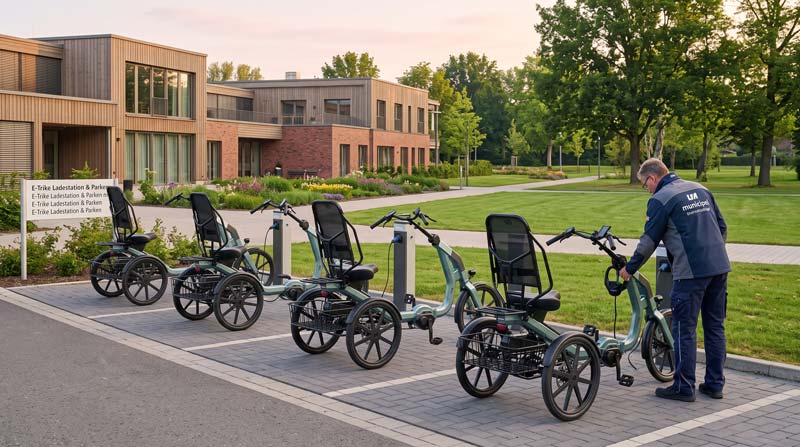
Cargo Bike Fleet for Sharing Programs: The 2026 Hardware Sourcing Playbook for European Operators
A cargo bike fleet for sharing programs lives or dies on two decisions made long before launch day: which bike you spec, and which factory builds it. The app, the brand colours, and the press release matter far less than whether each unit can survive thousands of rides from strangers, get located when it goes missing, and be repaired with parts you can actually stock. If you are scoping a shared fleet of electric cargo bikes — for city streets, food delivery, or a scenic resort — this guide skips the program-overview talk most articles stop at and goes straight to the hardware and ODM sourcing layer that decides whether your fleet scales or stalls. Why Shared Electric Cargo Bikes Are Scaling Across Europe The demand signal is no longer subtle. The European e-cargo bike market is estimated at around USD...
Commercial Cargo Bike Maintenance & Uptime Guide 2026
Uptime is the metric that quietly decides whether a commercial cargo bike fleet renews. It rarely shows up in the procurement RFP. It almost always shows up in the year-three financial review. The reason it's so often underweighted at purchase is that uptime depends on dozens of small decisions made well before the bike ever rolls — drivetrain spec, brake compound, bearing rating, warranty fine print, service network density, parts inventory strategy. Each one individually feels too granular to optimise. Together, they decide whether your fleet runs at 95 percent or 78 percent. For last mile delivery companies running daily commercial routes, those decisions compound faster than for any other operator profile. This article walks through the maintenance and uptime decisions that have the largest financial leverage over the life of a commercial cargo bike fleet, in roughly the order they...
Cargo Bike Fleet Deployment: What Actually Happens After the Bikes Arrive
The procurement side of a commercial cargo bike rollout gets the attention. Trade-show demos, spec comparisons, OEM negotiations, certification compliance — months of work, often with senior management oversight. Then the bikes arrive, get rolled out to riders, and within ninety days a meaningful share of fleet operations are running below projection. We've seen first-year fleet failure rates between 25 and 35 percent in real operations, and almost none of those failures trace back to the bike itself. They trace back to deployment. This article covers what we've learned working with European brands and fleet operators about the operational decisions that decide whether a cargo bike fleet performs to its TCO model. None of it is glamorous. All of it costs less than a single fleet write-off. The Procurement-to-Deployment Gap Cargo bike fleets fail in four predictable places: route design, micro-hub...