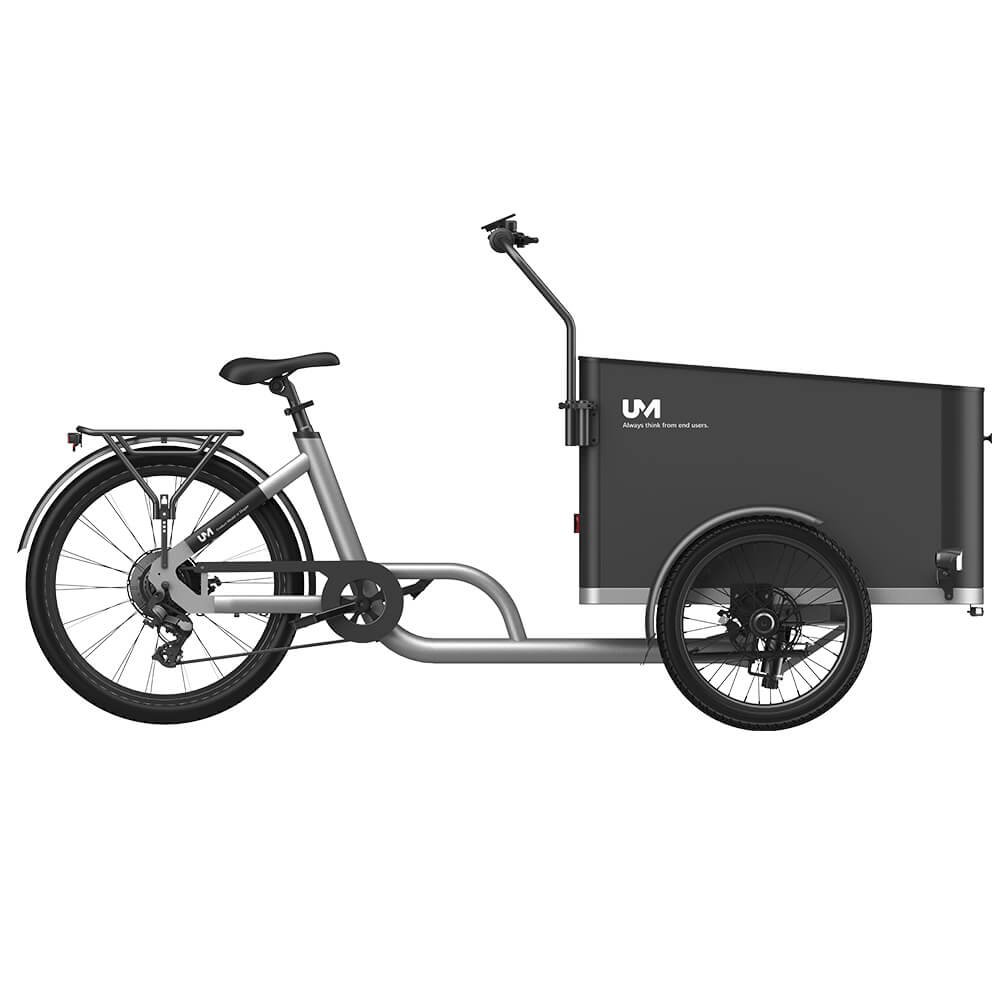
Three-Wheeled Cargo Bikes

Qualified By:

EU Standards and certificate needed for cargo e bike

What Are Three-Wheeled Cargo Bikes?

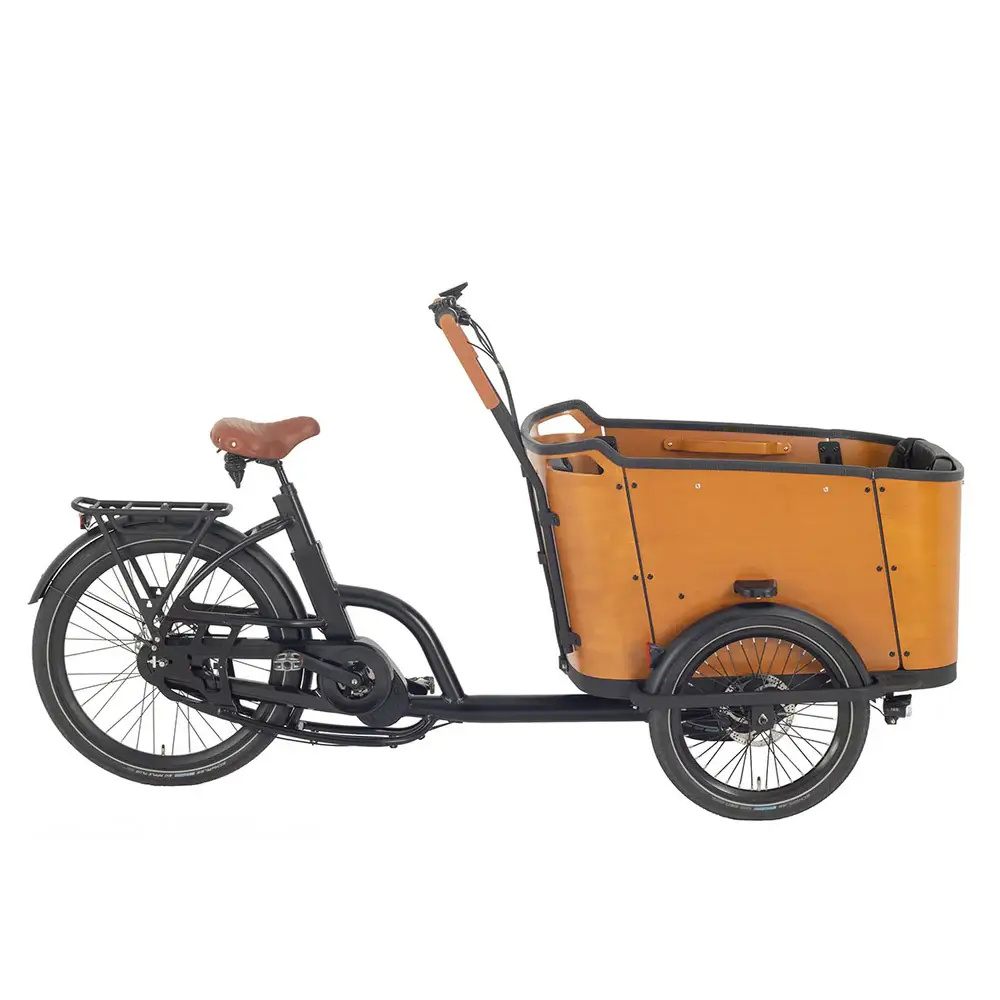
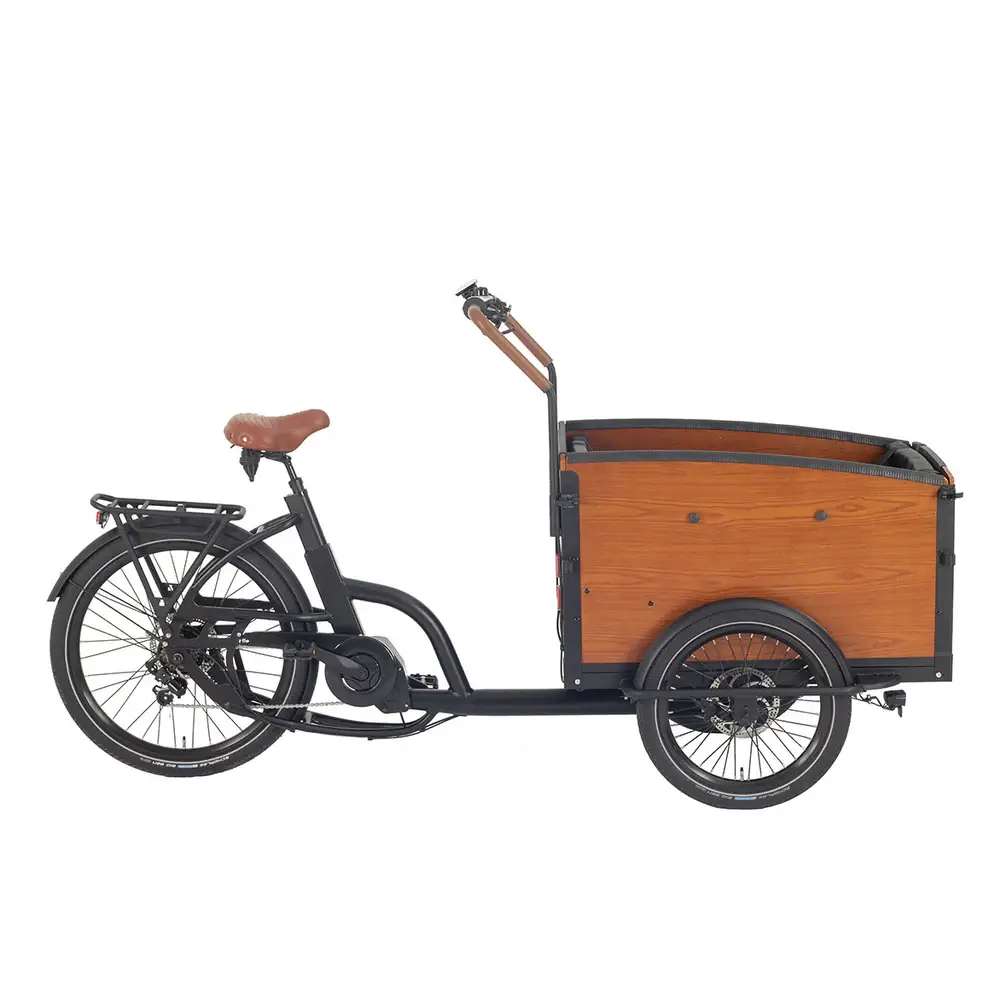
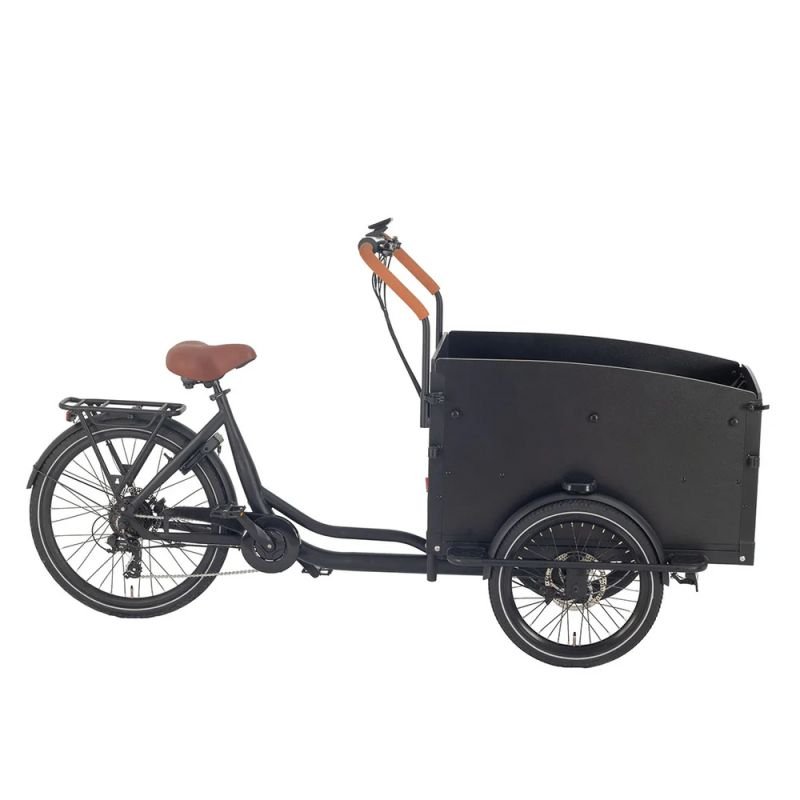
Three-wheeled cargo bikes —also called three wheel cargo bike or 3 wheels bicycle, are purpose-built utility bicycles designed to provide enhanced stability, higher payload capacity, and easy handling for both commercial and family-oriented applications. Unlike two-wheel front loader cargo bikes, the three-wheeled format distributes weight across a wider base, enabling slower-speed maneuverability and safer loading operations.

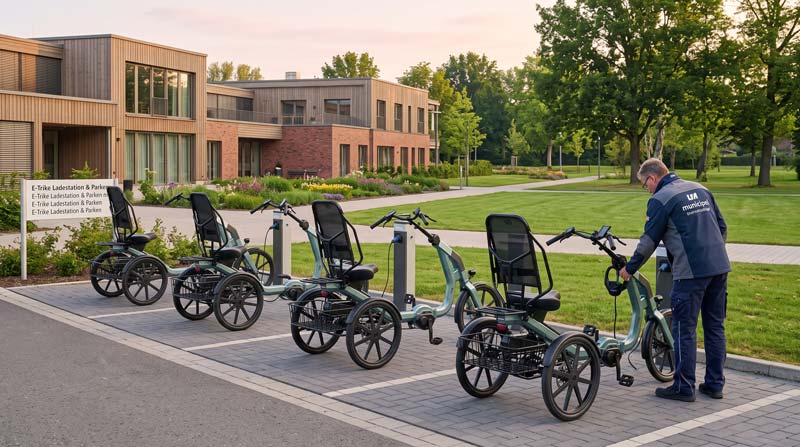
In Europe, this category continues to expand rapidly, supported by city logistics needs, low-carbon mobility goals, and increasing demand for safe family transport. As many cities transition to e-mobility and micro-transportation solutions, three wheel cargo bikes are taking over Europe for courier fleets, campus mobility, retail delivery, elderly mobility, and municipal services.

Explore the models below to find the right fit — or contact us for tailored OEM & ODM support.

Main Types of Three-Wheeled Cargo Bikes

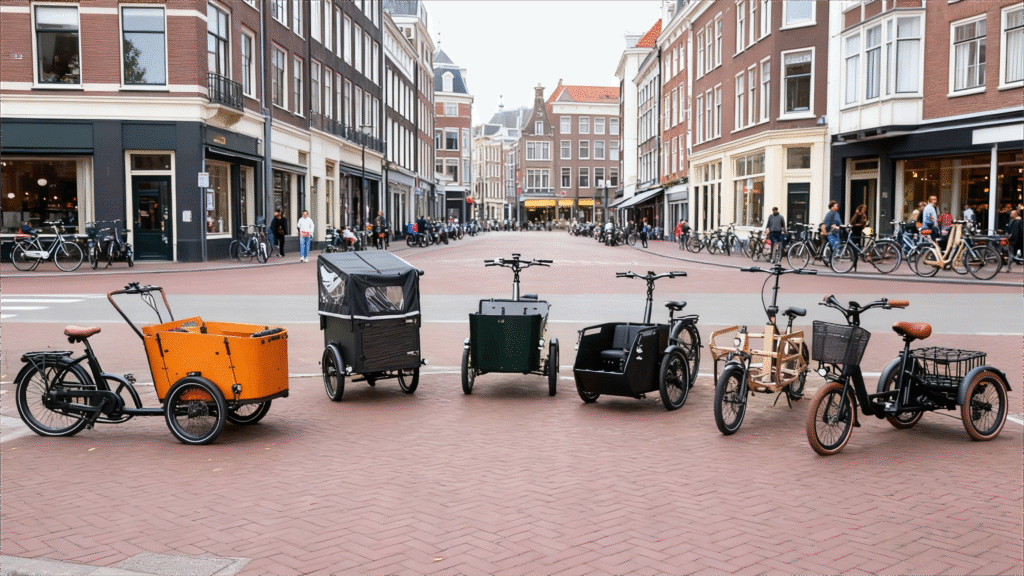
1. Front-Load Tadpole Cargo Bike (Two Wheels in Front)

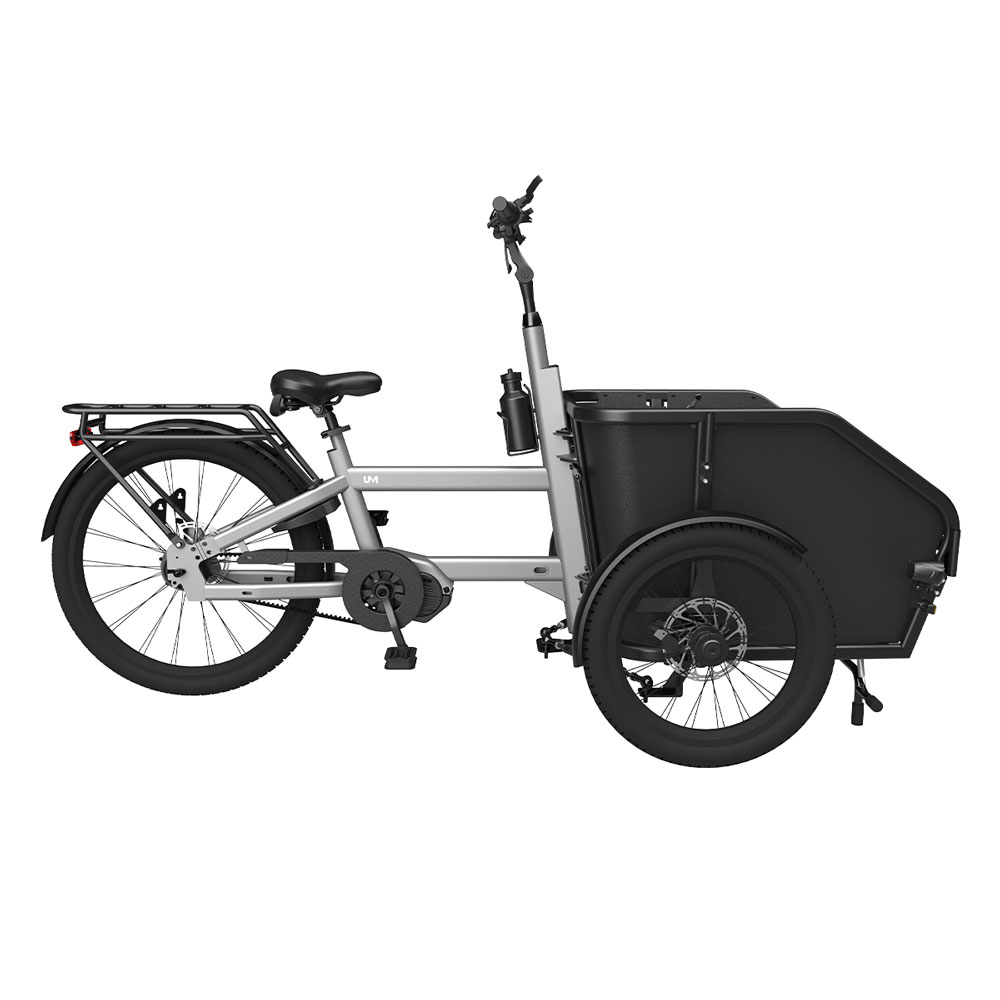
Often referred to as three wheel front-loading cargo bike or traditional bakfiet, this design places two wheels at the front with a spacious box positioned between them. This configuration offers:

  • Excellent low-speed stability
  • Direct view of cargo or children
  • Large-volume box options (e.g., 200–350L)
  • Suitable for family cargo e-bike applications, kindergarten shuttles, and commercial use

This is the most recognizable style in Northern Europe and commonly associated with Dutch-style bakfiets.

Tadpole electric cargo bike Flow for Family Use

UM Flow

Featuring a low center of gravity and compact design, Flow offers superior balance and agile handling, even when fully loaded.
UM Swift

UM Snel

With tilt steering for smooth handling, easy parking, and a spacious, lightweight cargo box.
UM High Capacity Cargo Bike SE

EEN ZO

Extra-large capacity, fitting up to 4 children. Your first step into cargo biking simple, reliable, and ready for any daily task.

Familie C

Betaalbare familieavonturen, ontworpen voor dagelijks gemak zonder afbreuk te doen aan comfort.

Familie S

Elevate your ride with premium comfort and luxury, perfect for families seeking the best.
Starter1

Starter

A classic, no-fuss cargo bike—stable, durable, and built for everyday use.

2. Rear-Load Adult Tricycles (Two Wheels at the Rear)

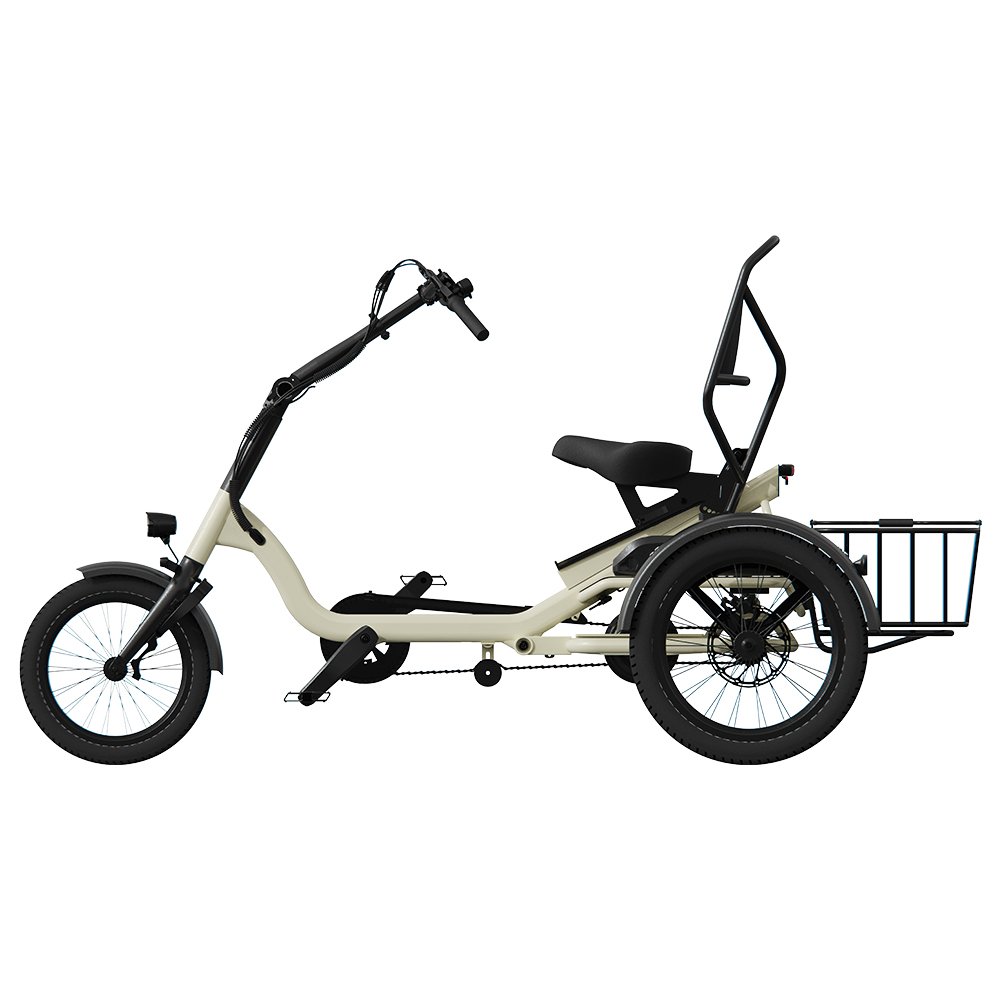
Rear-load models place the cargo platform, rack, or basket behind the rider. In practice, buyers evaluating rear-load adult tricycles tend to focus on ride stability, load access, and how easily the bike fits into everyday routines—factors that often influence resale performance and long-term demand. For a closer look at real buyer expectations and decision logic, see What People Really Look for in an Electric Tricycle — And How You Can Choose the Right Models to Sell.

Rear-load electric tricycle cargo bike come in two subtypes:

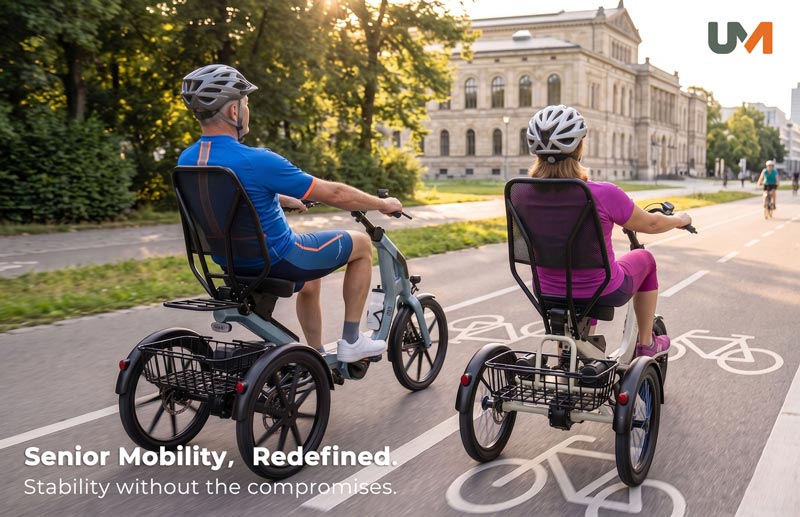
Semi-Recumbent / Recumbent 3-Wheel Bikes for Adults

A more ergonomic, relaxed riding posture with a supportive backrest.

Benefits:

  • Less strain on shoulders and wrists

  • Comfortable long-distance riding

  • Better weight distribution

Ideal for older adults, riders with limited mobility, or leisure touring. This aligns with the customer’s query of recumbent 3 wheel bikes for adults.


As interest grows around aging-friendly and comfort-oriented mobility in developed countries, this category is increasingly viewed not as a niche, but as a long-term solution for daily riding. A deeper look can be found in Electric Recumbent Tricycles Built for Comfort, Stability, and Long-Term Riding.

2025 UM New Electric Trike CHILL-2

UM Chill

A compact, transportable recumbent electric trike designed for riders who prioritize comfort, safety, and easy handling in urban environments.
Electric Trike Vita

UM Vita

Daily-use lightweight compact recumbent electric trike: low step-through frame facilitates easy access for seniors and delivers stable, sure handling for comfortable rides.

Upright Adult Trikes

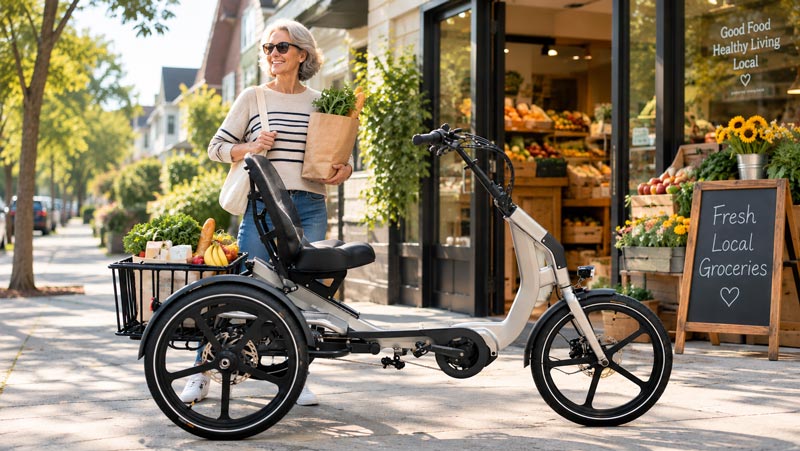
A practical option for senior riders and mobility-assistance needs.

Benefits:

  • Less strain on shoulders and wrists
  • Comfortable long-distance riding
  • Better weight distribution
    Ideal for older adults, riders with limited mobility, or leisure touring.


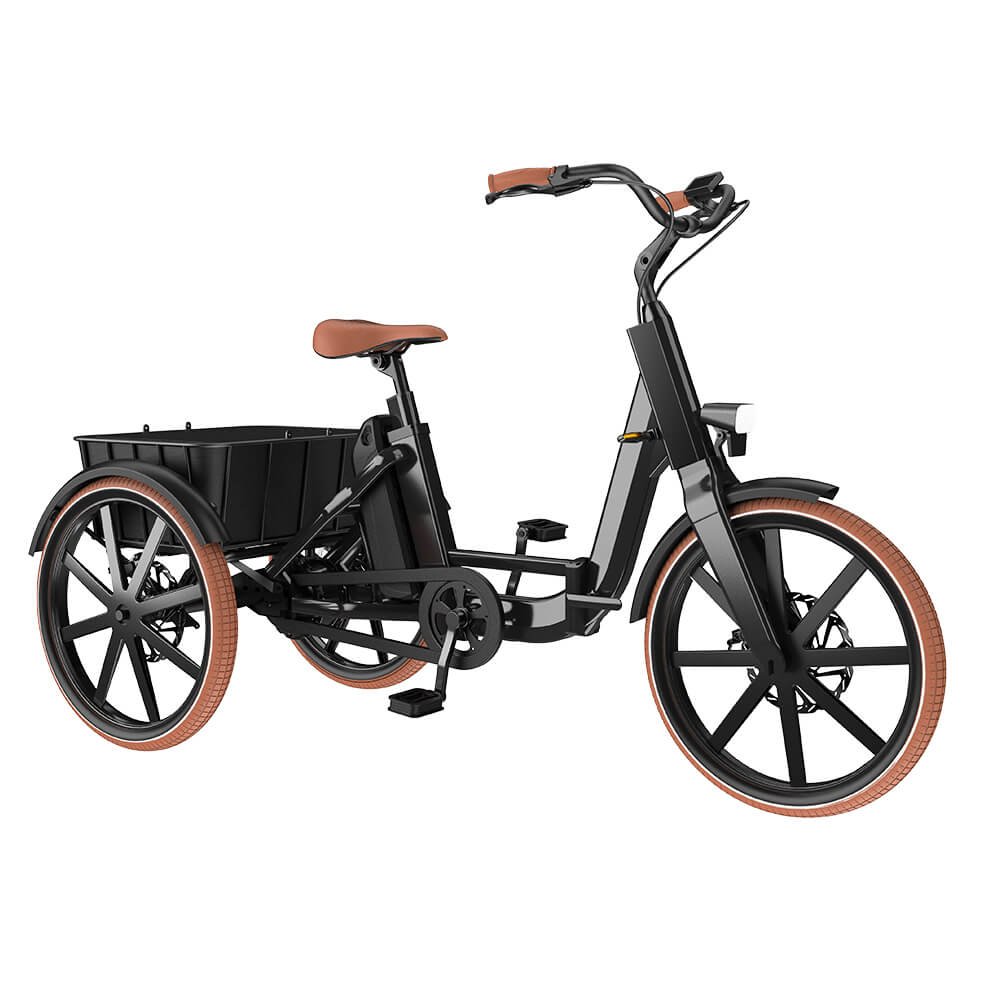
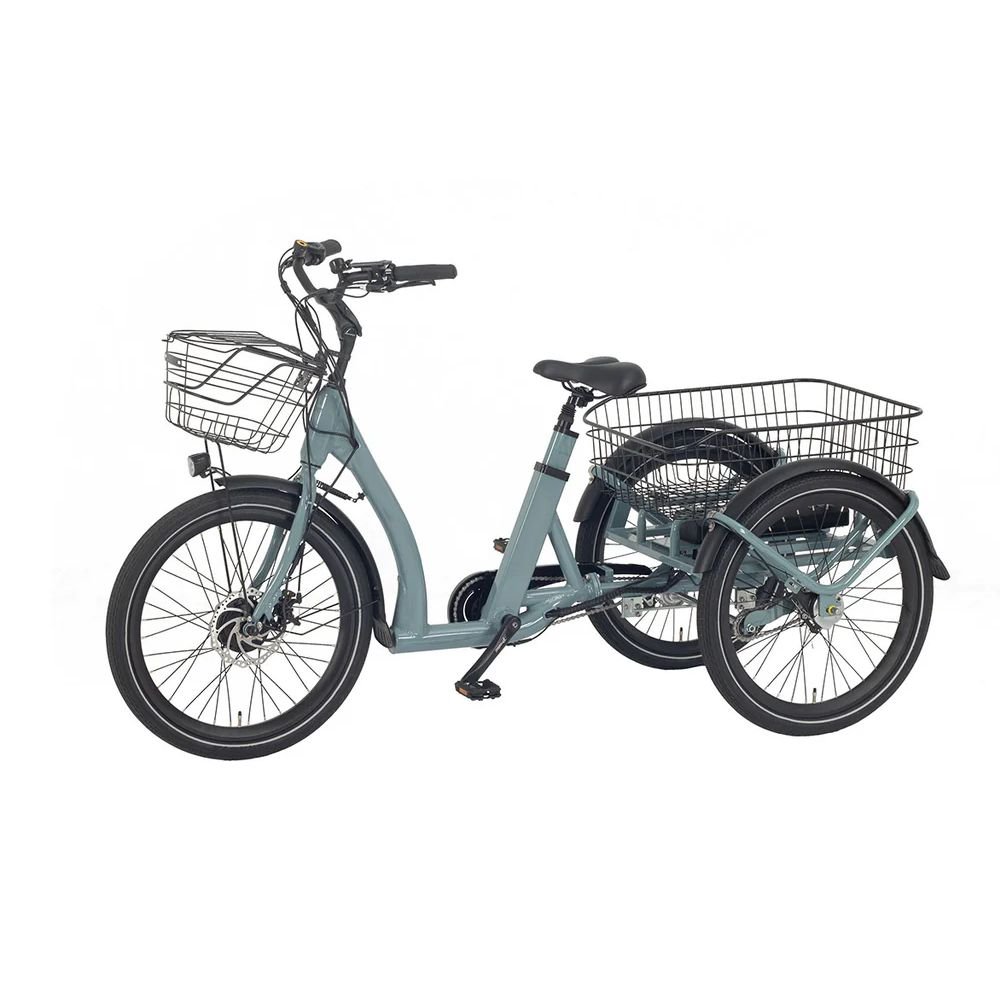
This category also responds to a frequent customer request for trikes with a lower center of gravity — a feature many buyers typically associate with “bakfiets-style” stability. Upright rear-load trikes provide exactly that enhanced balance and confidence for adult riders.

2025 UM New Electric Trike TRIOGO 1 -2

TRIOGO 1

A compact, stable electric cargo trike designed for modern urban families, senior riders, and light commercial use.
e trike heal middle

Genees Midden

It features anti-tilt self-balancing technology for enhanced stability, especially for seniors or less experienced riders.
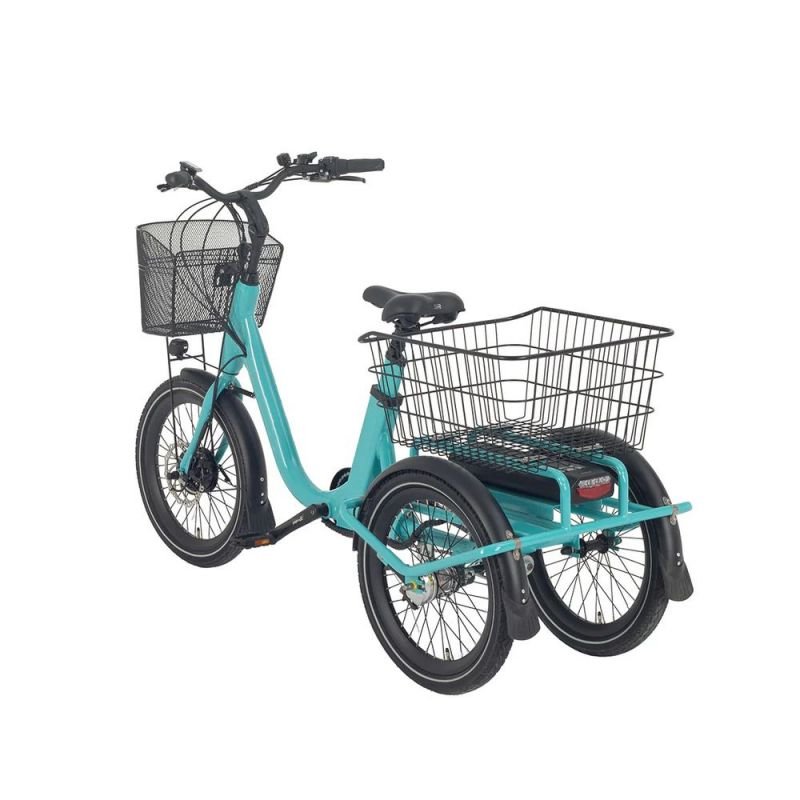
electric trike heal mini

Genees Mini

With a 20-inch tire design and low body for easy mounting, it’s perfect for seniors and beginners.
Who Uses Three-Wheeled Cargo Bikes?

Applications in Real Scenarios

  • Urban parcel delivery
  • Food & grocery delivery
  • School transportation
  • Elderly shopping mobility
  • Campus maintenance logistics
  • Green city mobility projects
  • Pet transport
  • Tourism and resort mobility

Whether you wish to create a fully customised design from scratch or select from our extensive range of pre-designed models, we provide tailored cargo bike solutions to meet your needs.

three-wheeled cargo bikes

Electric 3-Wheeler Cargo Bike Market

The electric three-wheeler cargo bike market is becoming a noteworthy growth segment within the broader sustainable mobility landscape.

From a commercial perspective, three-wheel bikes offer inherent advantages over two-wheel cargo platforms when payload stability and ease-of-use are key decision criteria. Their static stability at stops, predictable cornering, and generous cargo capacity have made them attractive not only for last-mile delivery and logistics but also for households with significant transport needs. Indeed, user conversations on cycling forums show that many individuals considering family cargo solutions explicitly explore cargo trikes because they don’t want to worry about balance while starting or stopping, especially when transporting young children or heavy loads on local trips.

While the front-load three-wheeled cargo bike remains the mainstream format due to its intuitive loading and direct visibility, a newer trend is emerging that links functionality with rider comfort for a different kind of user need: semi-recumbent tricycles. This format is already gaining traction in Europe as part of a broader shift toward inclusive mobility solutions. Semi-recumbent electric trikes lower the center of gravity, reduce effort at the pedals, and make mounting/dismounting easier—features that resonate strongly with the elderlys, people with balance concerns, and anyone valuing ergonomic comfort over athletic posture. This trend, which we explore in more detail in Beyond Three Wheels: The New Trend of Semi-Recumbent Trikes in Europe, reflects how mobility products are evolving beyond pure utility into emotionally and functionally supportive tools.

Another real-world signal comes from community feedback: many riders interested in a European cargo trike for large families appreciate the intuitive stability but also highlight trade-offs. In online discussions, potential buyers often weigh the ease of use of trikes against maneuverability in tight urban spaces, with seasoned cargo bike users suggesting careful consideration of turning radius and handling dynamics.

For B-end stakeholders—OEMs, distributors, fleet operators—this segment’s growth presents both opportunities and challenges. On one hand, the integration of advanced battery platforms (extending range and reducing downtime) and modular cargo configurations aligns with commercial fleet needs. On the other, regulatory fragmentation across EU countries and payload certification standards still require strategic attention as adoption scales.

In summary, the electric 3-wheeler cargo bike market is not just expanding in volume; it is becoming more differentiated. Aligning product portfolios with these nuanced needs positions brands and partners to capture both the traditional logistics segment and the expanding personal mobility segment in one comprehensive strategy.

As A Bike Factory, We Can Offer More Than These

Frequently Asked Questions (FAQ)

Heb echt een
geweldige ideeën?

Leave A Message

Vertel ons uw vraag

Ons ervaren team staat klaar om u op maat gemaakte oplossingen te bieden ter ondersteuning van de groei van uw bedrijf.

Onze blog

Laatste blogs en artikelen

Discover more about the latest innovations, industry trends, and product introductions from the leader in Bike Industry.

EPR for E-Bike Importers in Europe: What You Actually Have to Register, and Where

Extended Producer Responsibility (EPR) is the set of EU and national rules that make the company placing a product on a market financially responsible for that product's end of life. If you import e-bikes, e-cargo bikes or electric trikes into a European country under your own brand, that company is you — not your manufacturer. This guide explains the three obligation streams that apply to electric bikes, the 2025–2027 regulatory timeline, and what to sort out before your first container lands. Official sources used in this guide — bookmark these; every claim below can be checked against them: WEEE Directive 2012/19/EU — scope, exclusions, producer definition (Art. 2–3) EU Battery Regulation (EU) 2023/1542 — battery EPR, LMT category, battery passport Packaging & Packaging Waste Regulation (EU) 2025/40 (PPWR) — applicable from 12 August 2026; the ELI text is the only legally authoritative version European Commission...

Semi-Recumbent vs Upright Electric Trike: Building a US Range

Semi-recumbent vs upright electric trike is usually discussed as a rider preference. For anyone building a US range it is not a preference question at all — it is a channel question, and getting it wrong costs more than a wrong colourway. The two formats attract different buyers, at different prices, through different retail environments, with different documentation attached. Stocking one and assuming it covers the other is the most common assortment error in this category. This article sets out how to split a US range between them, and what each format has to be engineered to do. Three conclusions up front: They are not two versions of one product. They differ in seating geometry, centre of gravity, price tolerance and — decisively — where the sale happens. Most US ranges need both, weighted. Upright covers volume and familiarity; semi-recumbent covers...

Electric Trike Stability Engineering: Designing Out Tip-Over

Electric trike stability engineering is the part of this category that marketing talks around and physics does not. A three-wheeled cycle is bought to remove a fall risk — and a poorly designed one introduces a different one: it can lift a wheel and roll over in a turn. Read US owner feedback across the category and this appears often enough, across enough suppliers, to be a category-level design failure rather than an isolated defect. It is also entirely predictable from geometry, which means it is preventable at the drawing stage. This article sets out the physics of trike rollover, the numbers that predict it, and the specific decisions that engineer it out — written for the people who specify and source these products, not the people who ride them. Three conclusions up front: Rollover is geometric, not accidental. A single...

nl_NLDutch