Front Load Cargo Bikes for Brands, Fleets & Distributors

Kwalifikacje:

EU Standards and certificate needed for cargo e bike

The category

What Are Front Load Cargo Bikes?

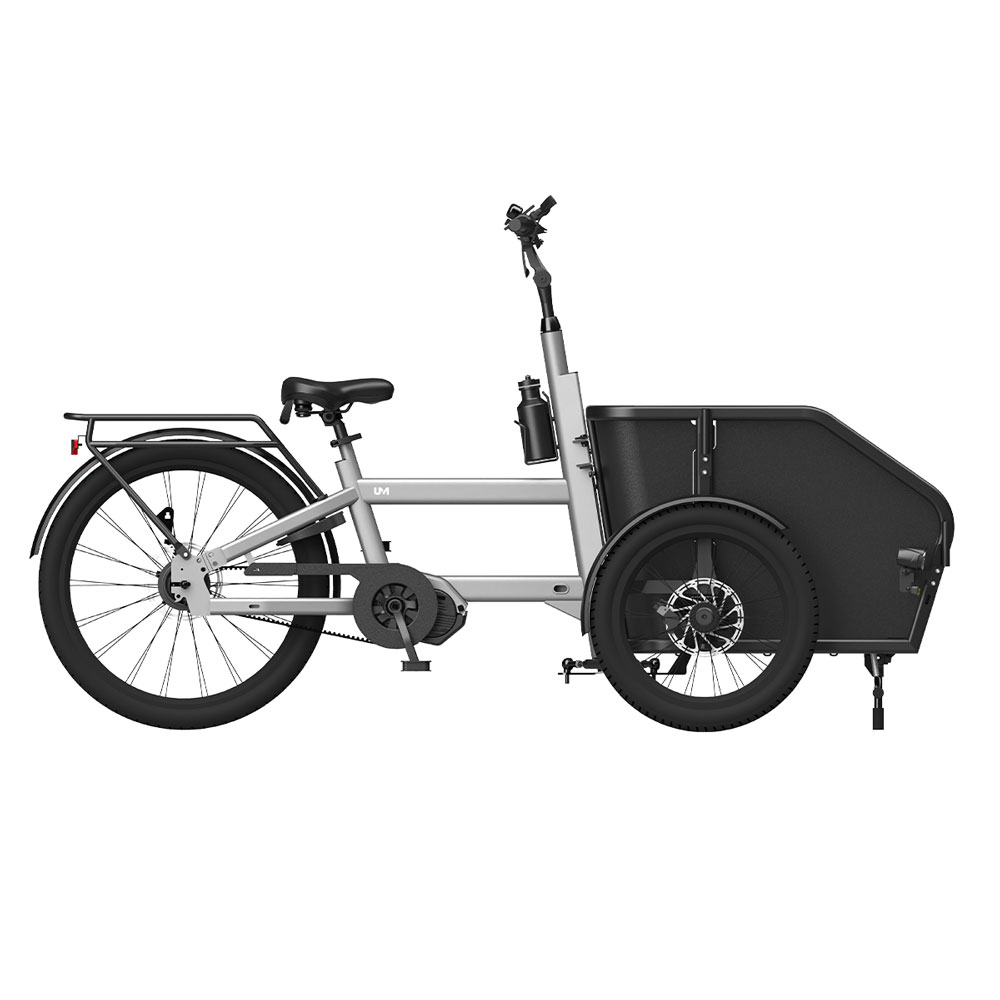
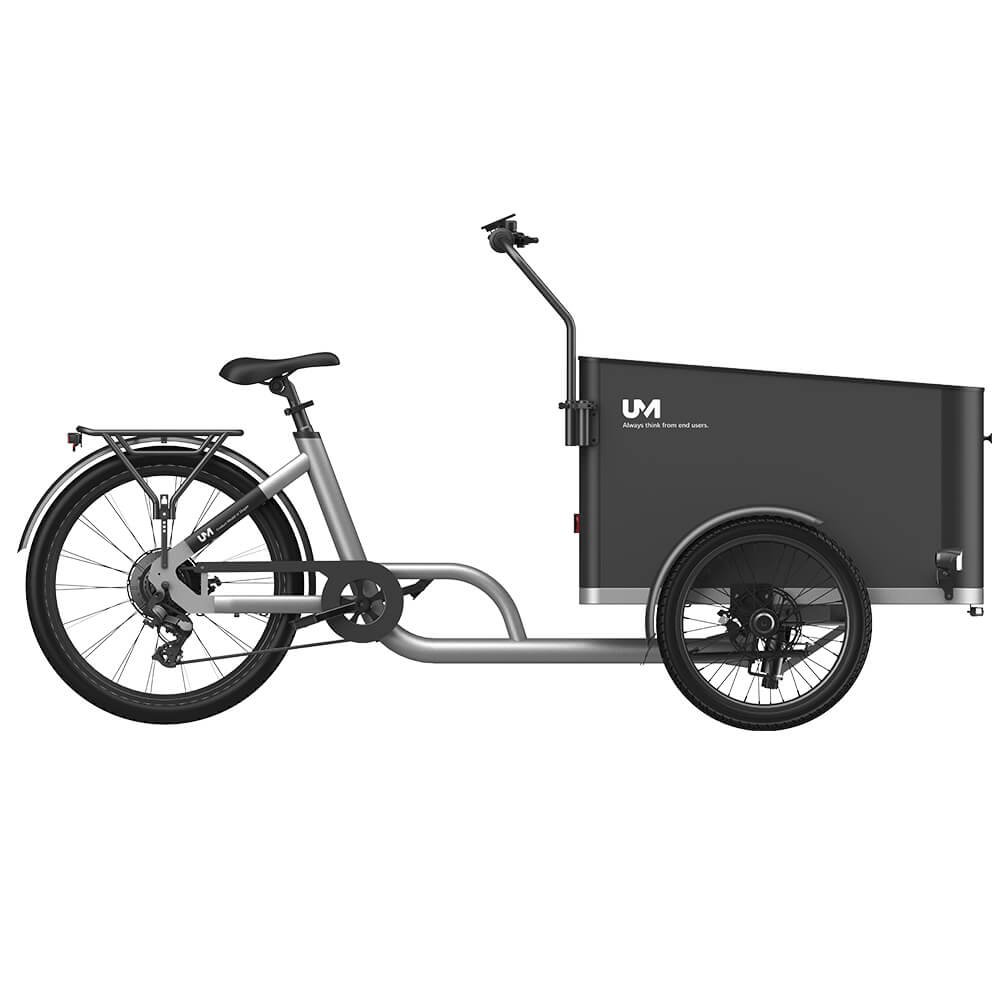
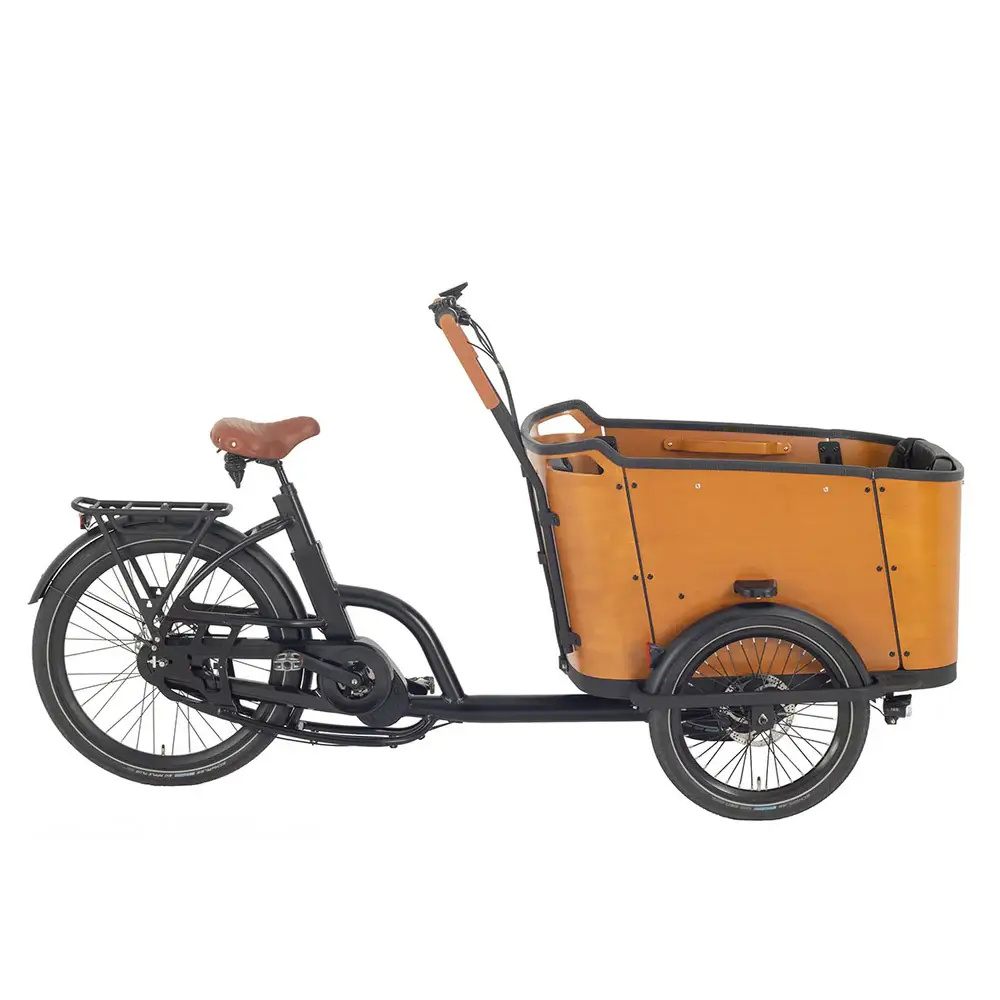
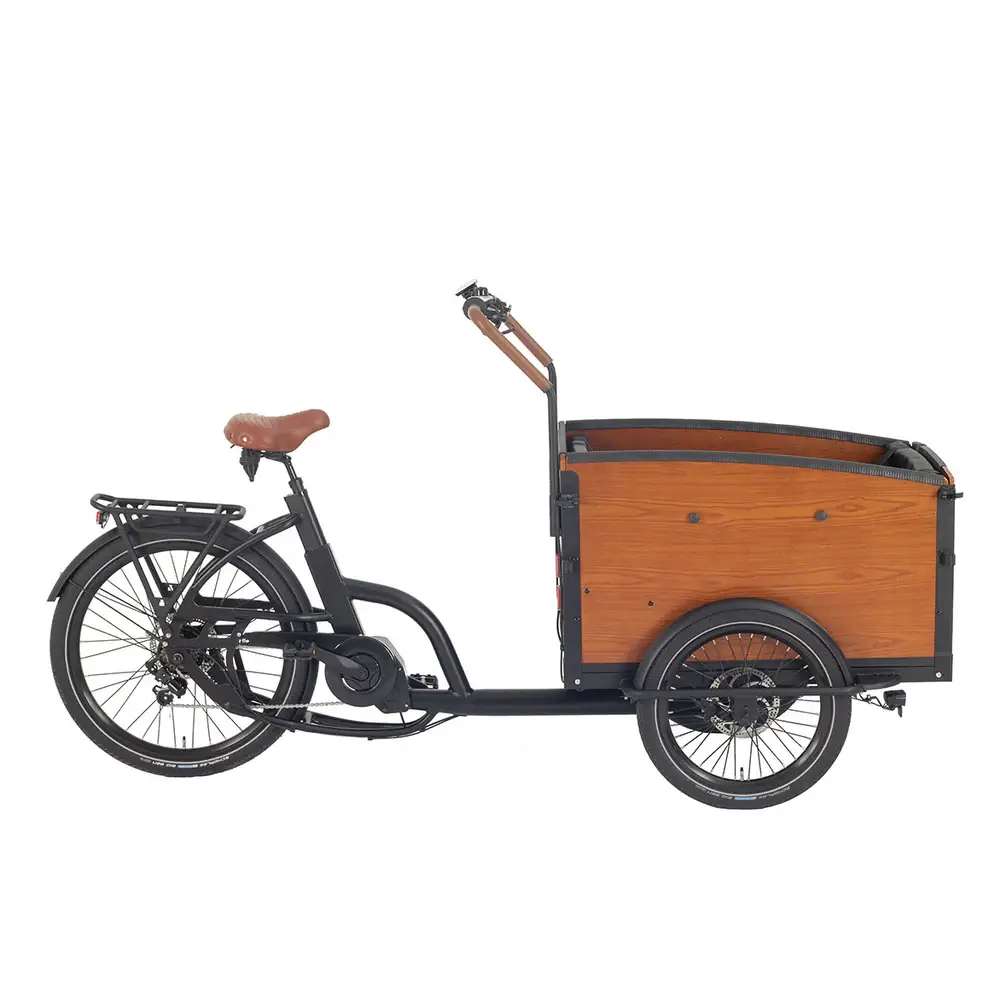
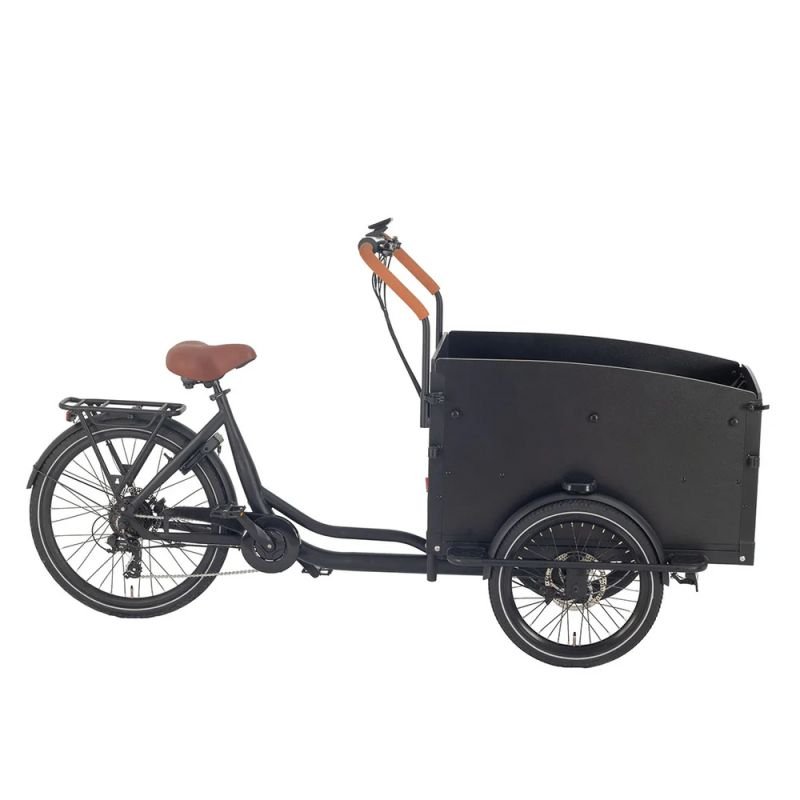
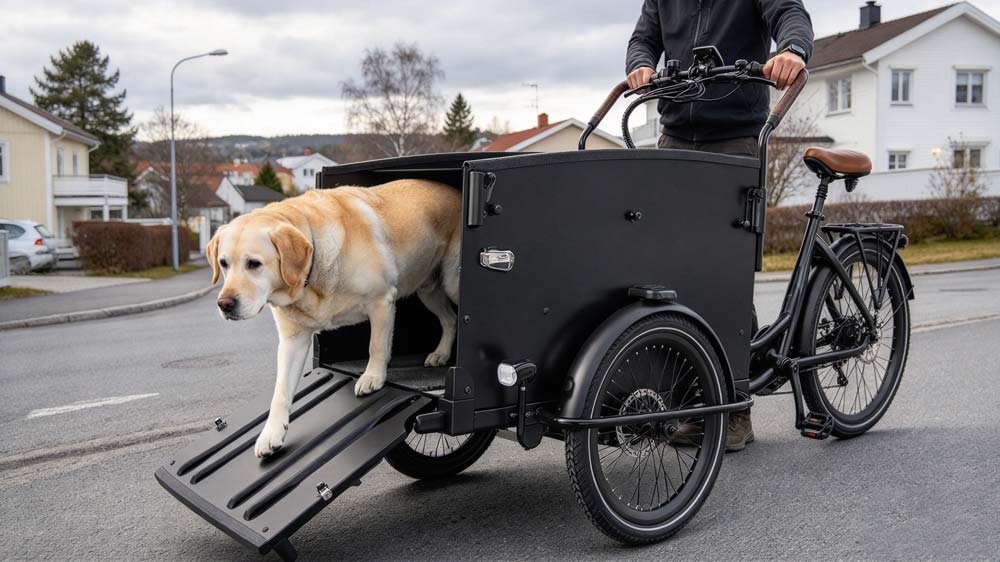
A front load cargo bike carries its load in front of the rider, between the handlebars and the front wheel. The format is also known as a box bike, a bakfiets (its Dutch origin), or — in its long, low two-wheel form — a Long John. Keeping the load in the rider’s line of sight makes it intuitive to handle and easy to load at the curb.

Front-load is one of three main cargo formats. It differs from the longtail (load behind the rider, over an extended rear rack) and from rear-load trikes. Front-load is the format European cities reach for first when replacing vans and second cars, because the low, central load makes it stable and the open box adapts to almost any payload.

This page covers the front-load format specifically. It sits within our wider electric cargo bike range, and for the engineering detail behind the two-wheel form see Long John cargo bike: engineering, safety & real-world use.

At a glance

Why fleets specify front-load

  • Load stays visible and easy to access at the curb
  • Low centre of gravity for stable, predictable handling
  • Open box accepts boxes, crates, insulated modules, child seats
  • Fits low- and zero-emission zones where vans can’t go
  • Parks and manoeuvres where a van loses time

Formats

Types & Configurations

Front-load isn't one bike. The right platform depends on payload, route and how stable the load needs to feel.

Two-wheel (Long John)

Single-track front-load

The classic low, long box bike. Agile, narrow and quick on bike lanes; the format most riders find closest to a normal bicycle. Best where speed and lane-filtering matter.

Three-wheel front-load

Multi-track trike

Two wheels up front carry the box, so the load sits low over a wide track. Supremely stable when parked or loading, and forgiving at low speed — ideal for heavy or stop-start work.

Lightweight vs heavy-duty

By gross vehicle weight

Under EN 17860, single-track carrier cycles are rated to a max gross vehicle weight of 300kg for mixed private and commercial use, or 250 kg for private use only. Heavy-duty platforms are built and tested to the upper end.

The Range

UM Front-load Cargo Bikes

Six front-load platforms, from commercial-first fleet workhorses to premium family models. Every one is configurable for your brand and market.

um flex

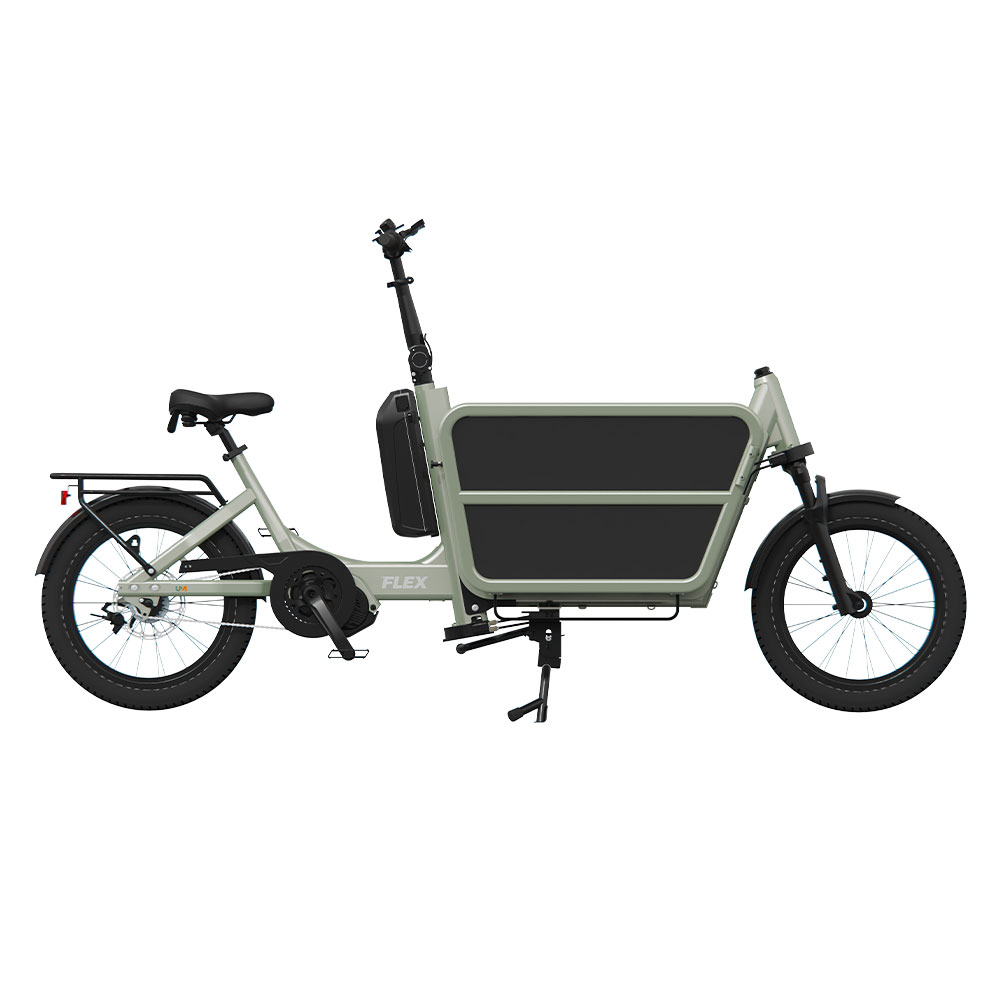
UM Flex

Front cabin swapped in seconds — pull to release, drop to lock. Built on a lightweight aluminum platform with cable steering, front suspension, and a low step-through frame, FLEX handles like a city bike and carries like a cargo bike.
um frontier

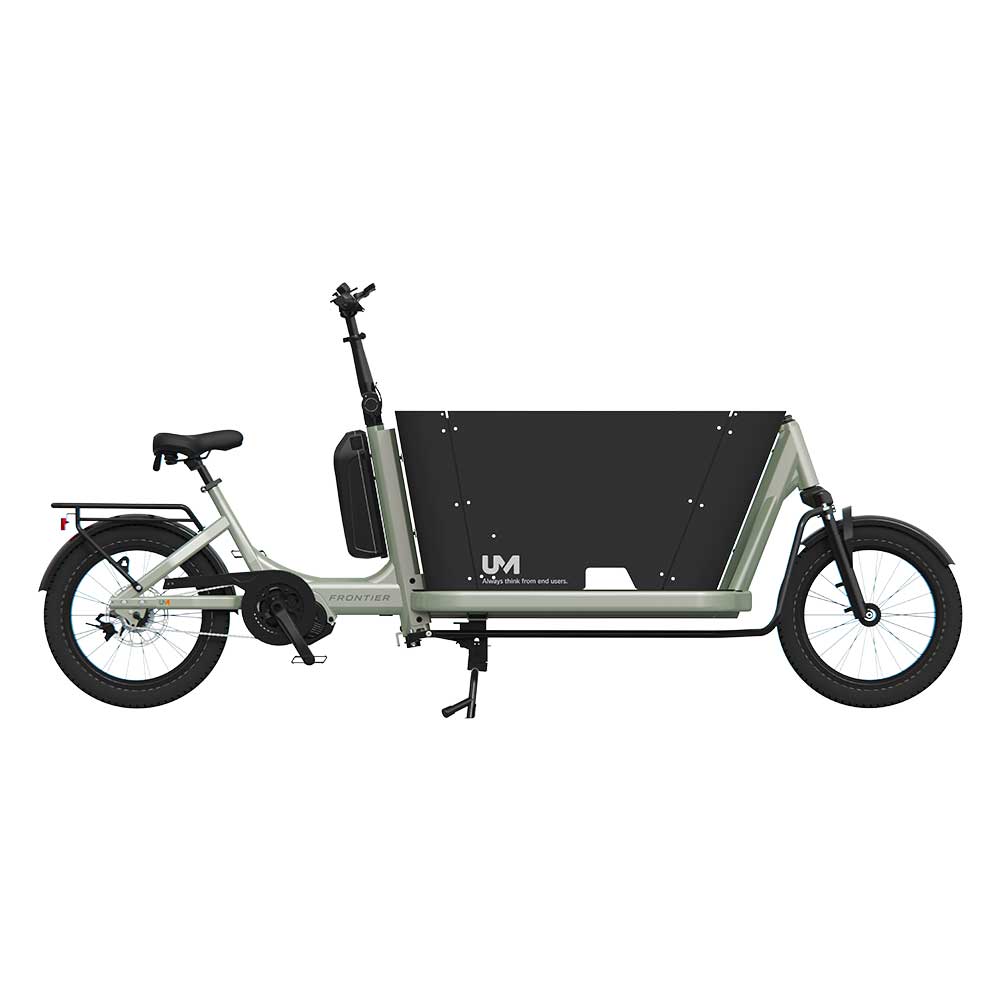
UM Frontier

A commercial-grade long-john electric cargo bike built for operators who measure success in runs per day. Reinforced modular frame, 340-litre lockable weatherproof cargo box, dual-battery range, one-touch electronic reverse and more...
three wheeled cargo bike flow

UM Flow

Featuring a low center of gravity and compact design, Flow offers superior balance and agile handling, even when fully loaded.
UM High Capacity Cargo Bike SE

UM SE

Extra-large capacity, fitting up to 4 children. Your first step into cargo biking simple, reliable, and ready for any daily task.

Rodzina C

Przystępne cenowo przygody rodzinne, zaprojektowane tak, aby zapewnić codzienną wygodę bez poświęcania komfortu.

Rodzina S

Podnieś poziom swojego pojazdu, zapewniając sobie najwyższy komfort i luksus – idealne rozwiązanie dla rodzin poszukujących tego, co najlepsze.
Starter1

Rozrusznik

Klasyczny, praktyczny rower cargo — stabilny, wytrzymały i stworzony do codziennego użytku.

Need a rear-load format instead? Explore our longtail and family range.

Use Cases

Front-Load Cargo Bikes by Application

Each scenario below maps to the United Mobility models built for it. Every platform is OEM/ODM-configurable to the spec your market needs.

Family & everyday home transport

The school run, grocery loads, pets and weekend trips — the segment now replacing the second car globally. Needs an enclosed child-seat system, a low step-through frame, comfort, and confident low-speed stability.

Last-mile parcel & courier

High-volume, multi-drop routes from a micro-hub into the urban core. Needs payload volume, a secure lockable box, and a platform that stays predictable fully loaded.

Food & grocery delivery

Hot-food, dark-store and grocery runs with frequent stops. Needs low-speed stability, an insulated or sealed cargo module, and easy stop-start handling.

Postal & mail routes

Predictable daily loops with kerb-side access. Needs reliable range, a weatherproof load area and low downtime across a large fleet.

Municipal & facility services

Street cleaning, parks & grounds, waste collection and on-site logistics for campuses and industrial sites. Quiet operation and a configurable load bed for tools and bins. Budget friendly.

Shared & rental fleets

Cargo bike-share and platform-fleet programs. Needs durability for thousands of rides from strangers, telematics for location, and modular parts you can stock and swap.

Compliance

Certifications & safety standards

For procurement teams, compliance is non-negotiable. Here is the standards landscape that governs front-load cargo bikes — and how we build to it.

StandardWhat it covers
EN 17860:2024The European standard series for carrier cycles (cargo bikes), ratified by CEN in July 2024. Covers lightweight single-track, multi-track and heavy-duty cargo bikes, trailers, and both mechanical and electrical aspects — superseding reliance on the older German DIN 79010.
EN 15194The standard for electrically power-assisted cycles (EPAC): electrical safety, motor power management and general e-bike requirements.
EN 50604-1Lithium battery safety requirements for light electric vehicles.
CE markingMandatory conformity marking for placing products on the EU/EEA market.
TÜV testingIndependent third-party safety and performance testing.
RoHS · REACH-SVHCRestriction of hazardous substances and chemical compliance for the EU market.

How we build to it. Our production is aligned to EN 17860 and EN 15194, with batteries to EN 50604-1, and our models carry CE / TÜV testing and RoHS / REACH compliance. Specific certificate numbers and test reports for a given model and configuration are provided on request as part of your spec package.

New to the regulatory picture? See our complete guide to cargo e-bikes: types, motor systems & EU regulations.

Build with Us

OEM / ODM & Customization

United Mobility is a manufacturer, not a reseller. Our technical roots trace to 2009, with EU-based production and end-to-end OEM/ODM services — from custom design and rapid prototyping to mass production and logistics. We help brands and distributors launch front-load cargo bikes that are reliable, scalable and market-ready.

Modular cargo-module systems mean a single platform can serve multiple applications, reducing fleet size and simplifying maintenance. Frame geometry, branding, component spec and cargo-box design are all configurable to your market and positioning.

See how we manufacture cargo bikes and the engineering and supply-chain control behind every build.

What partners can configure

  • Frame finish, colour scheme & logo integration
  • Cargo box / module: capacity, lid, insulation, flatbed
  • Motor placement & power, battery (single / dual)
  • Drivetrain, brakes, tyres & display
  • Child seats, rain covers & accessories

Jako fabryka rowerów możemy zaoferować więcej niż to

Frequently Asked Questions (FAQ)

What is the difference between a front load cargo bike and a longtail?

A front load cargo bike carries the load in front of the rider (a box between the handlebars and front wheel), keeping it visible and easy to access. A longtail carries the load behind the rider over an extended rear rack. Front-load suits bulky or high-volume loads and is the format most European cities use to replace vans; longtail is narrower and closer to a normal bike to ride.

Which certifications should a commercial front load cargo bike meet?

For the EU market the key standards are EN 17860:2024 (the carrier-cycle standard for cargo bikes), EN 15194 (electric pedal-assist safety), and EN 50604-1 (battery safety), alongside CE marking and RoHS / REACH compliance. We build to these standards and provide model-specific certificates and test reports on request.

How much can a front load cargo bike carry?

It depends on the platform. Under EN 17860, single-track cargo bikes are rated to a maximum gross vehicle weight of 300 kg for mixed private and commercial use, or 250 kg for private use only. Heavy-duty and three-wheel models carry the most; payload and box volume vary by model and are configurable.

Do you supply front load cargo bikes for fleets and wholesale?

Yes. We are an OEM/ODM manufacturer supplying brands, distributors, fleet operators and municipalities. We do not sell single retail units here — we configure and produce to your spec, with flexible trade terms (FOB, CIF, DDP) and lead times around 45–60 days by volume.

Can the cargo box be customised for our application?

Yes. Our modular platforms let you configure the cargo box or module — capacity, lockable lid, insulation, flatbed — independently of the base frame, plus branding, components, motor and battery. One platform can serve courier, food, postal or vending roles by swapping the module.

Zostaw wiadomość

Powiedz nam o swoim zapotrzebowaniu

Nasz doświadczony zespół jest gotowy dostarczyć rozwiązania dostosowane do potrzeb klienta, wspierające rozwój Twojego biznesu.

Nasz blog

Najnowszy blog i artykuły

Dowiedz się więcej o najnowszych innowacjach, trendach w branży i nowościach produktowych lidera branży rowerowej.

UL 2849 for Electric Trikes: What US Entry Actually Requires

UL 2849 certification for electric trikes is where most US entry plans either start correctly or go wrong expensively. The standard is not a document you obtain after the product exists; it evaluates the complete electrical system, which means the decisions it tests — battery architecture, charger pairing, controller behaviour, cut-off logic — are frozen long before a certificate is issued. Add three-wheel-specific variables like dual motors, reverse function and differential drive, and the scope grows further. This article sets out what a US-bound e-trike actually needs, where three-wheeled and semi-recumbent designs differ from two-wheeled ones, and what changes if the CPSC's proposed federal rule is finalized. Figures and regulatory status current as of July 2026. Certification requirements change; confirm scope with your testing body and, for state law questions, with US counsel before relying on any of this commercially. The...

Electric Trike for Seniors in Belgium: The Market Behind the Verstrekker’s Counter

The electric trike for seniors in Belgium is bought and reimbursed at the same counter — and that single fact organises the whole market. Flanders runs Europe's most unusual funding system for adapted cycles: the Vlaamse sociale bescherming pays a fixed amount towards a three-wheeler with no age condition at all, but only through accredited providers, only for products on an official monthly-updated list, and with anything above the fixed amount explicitly paid by the customer. Reimbursement and premium retail aren't two channels here. They are one transaction, split down an invoice. For a distributor or brand, that changes where the battle is fought: not in a ministry, not in a bidding war — on a provider's shop floor. This article maps the machinery, region by region, and what it means for market entry. It is one chapter of our five-market...

Electric Trike for Seniors in Denmark: A Retail Story in Disguise

The electric trike for seniors in Denmark sits inside a paradox worth a distributor's full attention. This is the world's second cycling nation — 15% of all Danish trips happen by bike, and cycling to the shops is the country's single most common form of everyday exercise. Yet only around half of Danes over 65 still own a bicycle, and when an older rider turns to the public system for a stable alternative, the kommune increasingly offers a mobility scooter instead of a trike. The most cycling-proud welfare state in Europe has, in effect, built a system that retires its riders — and a retail market for everyone who refuses to be retired. This article maps that market: the data, the legal machinery, and the cultural register a brand needs to sell into it. For how Denmark's retail-by-design market compares with...

pl_PLPolish