


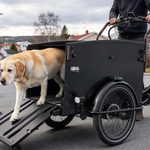
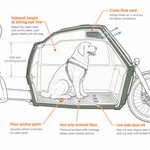
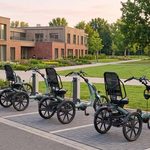
Dane NABSA z 2025 roku pokazują, że dwukołowe pojazdy elektryczne działają na dużą skalę w amerykańskich miastach: około 237 milionów wspólnych przejazdów, z czego około 621 TP3T na rowerach. Nie mówi to prawie nic o pojazdach trójkołowych ani o pojazdach cargo – ponieważ floty współdzielone ich nie obsługują. Dla operatora floty lub marki budującej asortyment w USA ta nieobecność jest pożyteczna. Wskazuje, gdzie trójkołowe pojazdy spełniają inną funkcję, dla innego rowerzysty, za pośrednictwem innego kanału.
Notatka dotycząca zakresu. Ten artykuł dotyczy formatu i funkcji – dwóch kółek kontra trzy. Osobna kwestia geometrii siedzeń i tego, gdzie sprzedaje się każdy format, jest omówiona w naszym przewodnik po trójkołowcach elektrycznych. Tutaj nacisk położony jest na dopasowanie formatu do pracy, jaką flota USA faktycznie musi wykonać.
Przed podziałem zakresu
- Wspólne floty to dowód na to, że jednoślady są warte uwagi. Jeśli zadanie polega na krótkich, miejskich trasach o dużej intensywności, dwukołowy pojazd jest sprawdzonym rozwiązaniem domyślnym.
- Trójkołowiec nie jest bardziej stabilnym jednośladem. To wyjątkowe narzędzie zapewniające stabilność w spoczynku, większy ładunek i większą przestrzeń dla pasażerów.
- Decyzja zależy od ładowności, zajmowanej powierzchni, magazynowania i obsługi, a nie od aktualnych trendów.
- Jeden dostawca może produkować oba formaty według jednej specyfikacji, co pozwala zachować spójność asortymentu.
Co udowodniły dwa koła i gdzie się zatrzymują
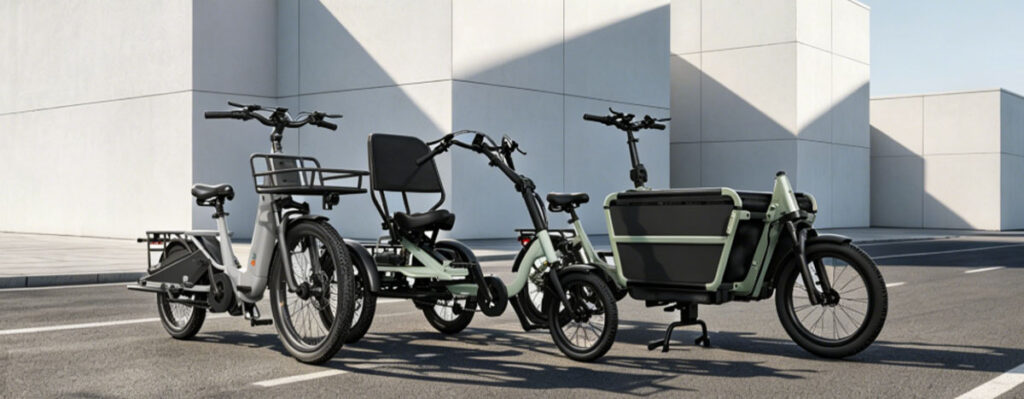
Udostępnione dane potwierdzają, że dwukołowy rower elektryczny jest popularnym rozwiązaniem w USA: zwinnym, łatwym w poruszaniu się po pasach i preferowanym przez użytkowników nad hulajnogami stojącymi na trasach dłuższych niż najkrótszy skok. miejskie rowery elektryczne i dwukołowe rowery towarowe — platformy z przednim załadunkiem, w których ładunek znajduje się przed rowerzystą, co zapewnia stabilność i dobrą widoczność, oraz platformy typu longtail, które wydłużają znany rower, umożliwiając przewiezienie większej ilości ładunku za rowerzystą.
Zatrzymanie na dwóch kołach, gdy ładunek staje się ciężki lub niewygodny, gdy kierowca potrzebuje stabilnego pojazdu w miejscu lub gdy sama równowaga stanowi barierę wejścia. To nie są przypadki skrajne. To momenty, w których format ulega zmianie.
Do czego właściwie służy trójkołowiec
Platforma trójkołowa spełnia trzy konkretne zadania. Po pierwsze, zapewnia stabilność, gdy pojazd stoi – załadunek, dostawy z zatrzymywaniem i ruszaniem oraz utrzymanie pozycji na pochyłości za pomocą hamulca postojowego. Po drugie, umożliwia przewożenie wyższych i cięższych ładunków nisko i centralnie. Po trzecie, zapewnia dostęp dla szerszej grupy użytkowników, dzięki ramom z obniżonym siedzeniem i geometrii dostosowanej do optymalnej równowagi między stabilnością a łatwością użytkowania, a nie do atletycznej postawy.
To dotyczy dwóch rodzin. Trójkołowce cargo z przednim załadunkiem — SE, Flow— do ładunków i pocisków komercyjnych. Oraz platform półleżących, takich jak Vita dla rowerzystów, którzy cenią sobie wygodę siedzenia, pewność siebie i łatwość wsiadania bardziej niż objętość ładunku lub prędkość.
Kompromisy, które należy podjąć, aby zaprojektować
Pojazdy trójkołowe wprowadzają ograniczenia, które flota planuje, a nie odkrywa później. Szerokość i powierzchnia postoju wpływają na miejsce parkowania pojazdu i sposób poruszania się po ścieżce rowerowej lub parkingu. Promień skrętu i prowadzenie różnią się od dwukołowych pojazdów i kształtują planowanie trasy. Ładowność oraz systemy hamowania i parkowania, które ją utrzymują, muszą być określone dla rzeczywistego zastosowania, a nie zakładane. Są to decyzje inżynieryjne podejmowane na etapie specyfikacji, na którym tak naprawdę dokonuje się wyboru formatu.
Format mapowania do zadania w USA
W zestawieniu z pracą, jaką musi wykonać flota lub marka w USA, asortyment rozkłada się w sposób przejrzysty:
| Praca | Format | Dlaczego pasuje |
|---|---|---|
| Krótkie podróże miejskie o dużym natężeniu ruchu | Dwukołowy rower miejski elektryczny | Format, który już wybrali kolarze: zwinny i przyjazny dla torów |
| Ładunek w pudełku z widocznością dla kierowcy | Ładunek dwukołowy ładowany od przodu | Niskie obciążenie centralne, stabilność, wyraźne linie widzenia nad pudełkiem |
| Długie lub niewygodne ładunki, znane sposoby obsługi | Dwukołowy ładunek typu longtail | Jeździ jak na rowerze, niesie za sobą rowerzystę |
| Ciężki lub stabilny ładunek, pociski typu stop-start | Trójkołowy trójkołowy rower towarowy | Stabilna pozycja podczas załadunku, niska, centralna pojemność |
| Szersza baza użytkowników, stabilność i dostęp | Trójkołowy rower półleżący | Wejście przez przełożenie; wyważone, pewne prowadzenie |

Pojedynczy dostawca może pokryć cały stół OEM i ODM Produkcja, która zapewnia spójność jakości i dokumentacji w zakresie wielu formatów. Po stronie budowy naszą rolą jest kontrola procesu – spawanie ram, obróbka cieplna i kontrola zgodności ze specyfikacją – opisaną szczegółowo w naszym strona produkcyjna. Pełna lista platform znajduje się na gama modeli.
Co te dane mogą Ci powiedzieć, a czego nie
Raport NABSA jest w tym przypadku właściwym źródłem informacji: potwierdza, że popyt na dwukołowe pojazdy elektryczne jest realny i trwały w miastach USA, a także – przez pominięcie – pokazuje obok niego białą przestrzeń przeznaczoną na pojazdy trzykołowe i pojazdy dostawcze. Jest to niewłaściwe źródło informacji o wielkości rynku pojazdów dostawczych i trójkołowych, ponieważ rynek ten nie opiera się na wspólnych flotach. Aby dowiedzieć się więcej o szerszym rynku stojącym za tymi formatami, zobacz: co rekord z 2025 roku mówi nabywcom ładunków.
Zastanawiasz się, jak podzielić asortyment w USA na formaty dwu- i trzykołowe? Możemy zmapować Twoje docelowe zlecenia na platformy i dostosować je do Twojej marki.
Często zadawane pytania
Czy trzykołowy rower towarowy to po prostu bardziej stabilny rower dwukołowy?
Nie. Ma inne zadanie — większy i cięższy ładunek, stabilność podczas postoju i dostęp dla szerszej grupy pasażerów — a jego powierzchnia i prowadzenie muszą być dostosowane do potrzeb.
Czy amerykańskie floty współdzielone korzystają z trójkołowców?
Rzadko. Udostępniane dane dotyczą niemal wyłącznie rowerów dwukołowych i hulajnóg stojących, dlatego raport czyta się jako dowód na istnienie dwóch kół, a nie trzykołowych.
Które formaty UM odpowiadają którym zadaniom?
Miejskie rowery elektryczne i wózki z przednim lub długim ogonem do pracy na dwóch kółkach; trójkołowce cargo i platformy półleżące do pracy na trzech kółkach. gama modeli wymienia każdą platformę.
Czy jeden dostawca może obsługiwać oba formaty?
Tak. Oba są dostępne przez OEM i ODM pod jedną specyfikacją i etykietą.
Źródła: North American Bikeshare and Scootershare Association, Raport o stanie branży współdzielonej mikromobilności w 2025 r. (nabsa.net); Sprawozdanie rządowe dotyczące technologii w odniesieniu do danych z 2025 r. (govtech.com). Na rysunkach przedstawiono systemy współdzielenia rowerów i hulajnóg w Ameryce Północnej.
 Polish
  English
  German
  Dutch
Dutch  Danish
  French
  Portuguese
  Spanish