Family Bike Solution
- Dom
- Rozwiązania
- Family Bike
Kwalifikacje:

Family Bike Solutions Tailored for Modern Urban Life
Introduction:Why Family Bikes Matter — And Why Your Market Needs Them
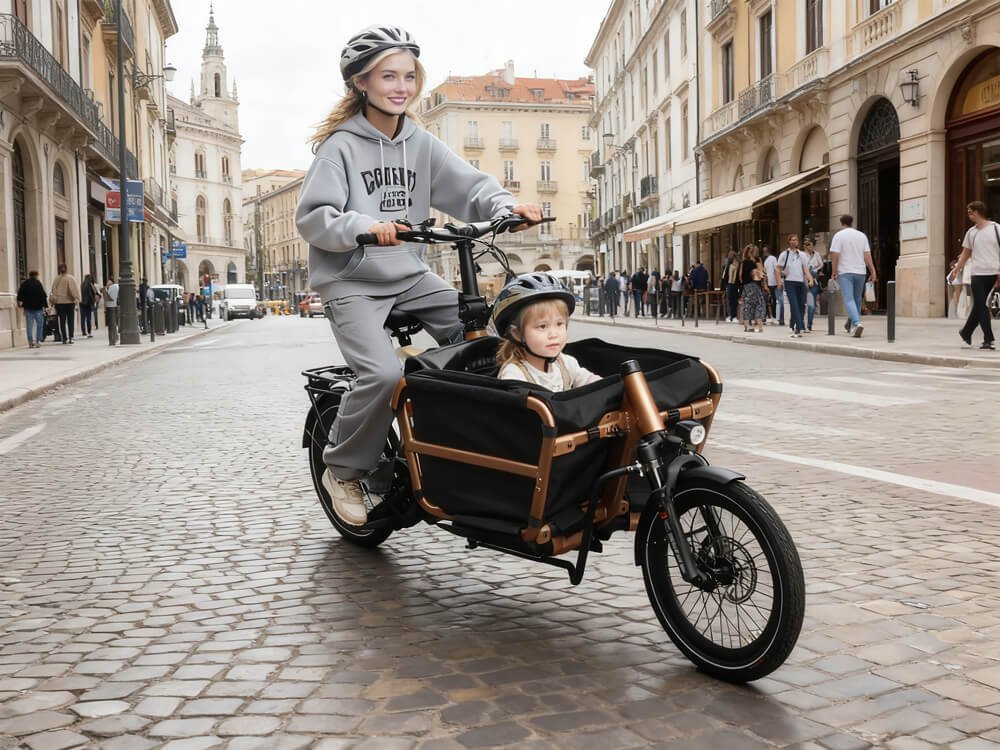
Across Europe, family bikes have quickly moved from a niche product to a daily essential. Parents are choosing bikes over cars for school runs, grocery trips, weekend outings, and everything in between. Cities are encouraging low-carbon mobility with better cycling lanes, subsidy programs, and safety regulations that make riding with kids more accessible than ever.
As the demand grows, so does the expectation for better design. Families want a bike that is safe, easy to handle, practical for children and cargo, and robust enough to replace short car journeys. This shift has created a strong opportunity for brands, wholesalers, and mobility operators who can offer a reliable and family-friendly cargo bike line.
Na UM, we help you build exactly that.
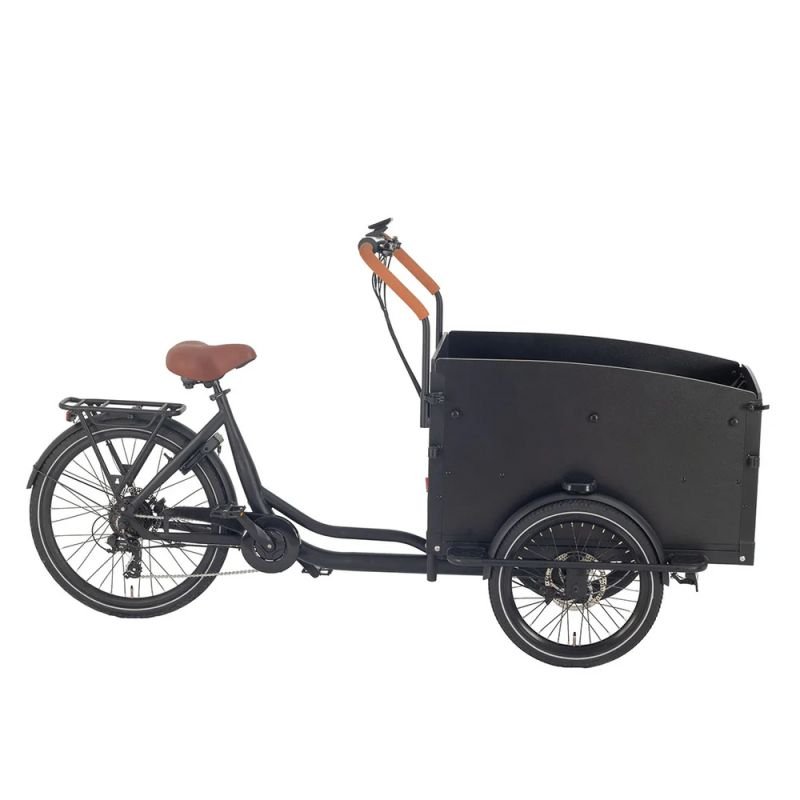
We design and manufacture customizable family cargo bikes—both two-wheel longtail and three-wheel e-cargo formats—with flexible while robust frame, modular design, various components, and a production system built around European safety expectations. Our bikes meet EN 17860 and EN 15194 standards, and our batteries comply with EN 50604-1, ensuring the safety and reliability European families demand. Our team supports you from concept to mass production, ensuring your family bike lineup reflects real everyday needs, local market habits, and your brand positioning.
Below, you’ll find our core family bike models. Each can be customized, adapted, or redeveloped from the ground up depending on your target families, riding habits, and regional regulations.
UM's Recommendation on Family Cargo Bike Solution
How to Choose the Right Family Bike for Everyday Life
Choosing the right family bike is less about specifications and more about how it fits into daily life. School runs, grocery trips, weekend outings—each scenario places different demands on space, stability, and ease of use.
For families transitioning from cars to family-friendly transport, the key is to match the bike type with real usage habits, not just capacity on paper.
- Daily School Runs and Urban Mobility
- Growing Families
- Maximum Stability and Confidence
- Simplicity and Familiar Riding Feel
For Daily School Runs and Urban Mobility: Compact Two-Wheeled Solutions
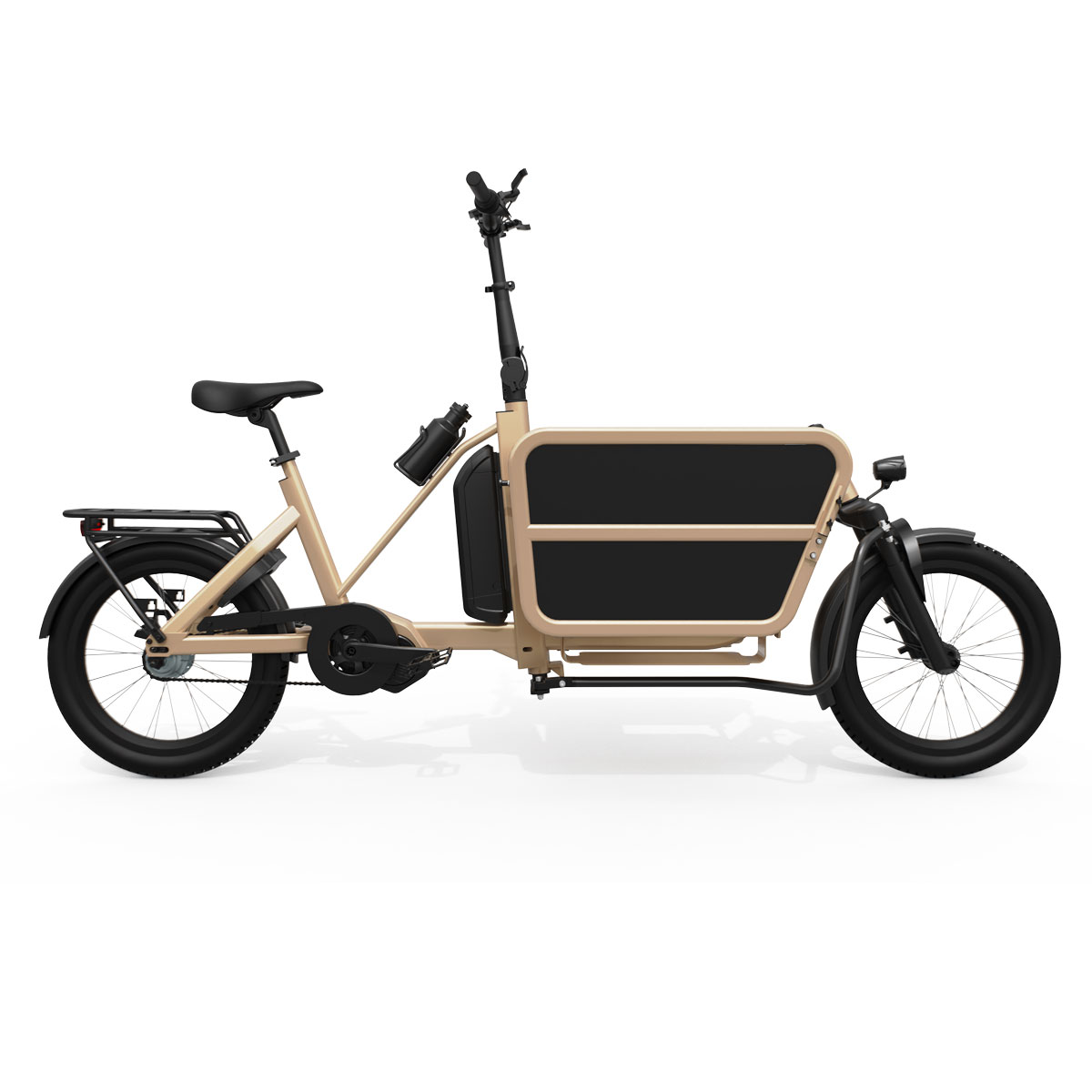
For most urban families, the priority is balance between capacity and maneuverability. Both compact long john cargo bike I longtail can offer a natural riding experience while keeping children safely in view.
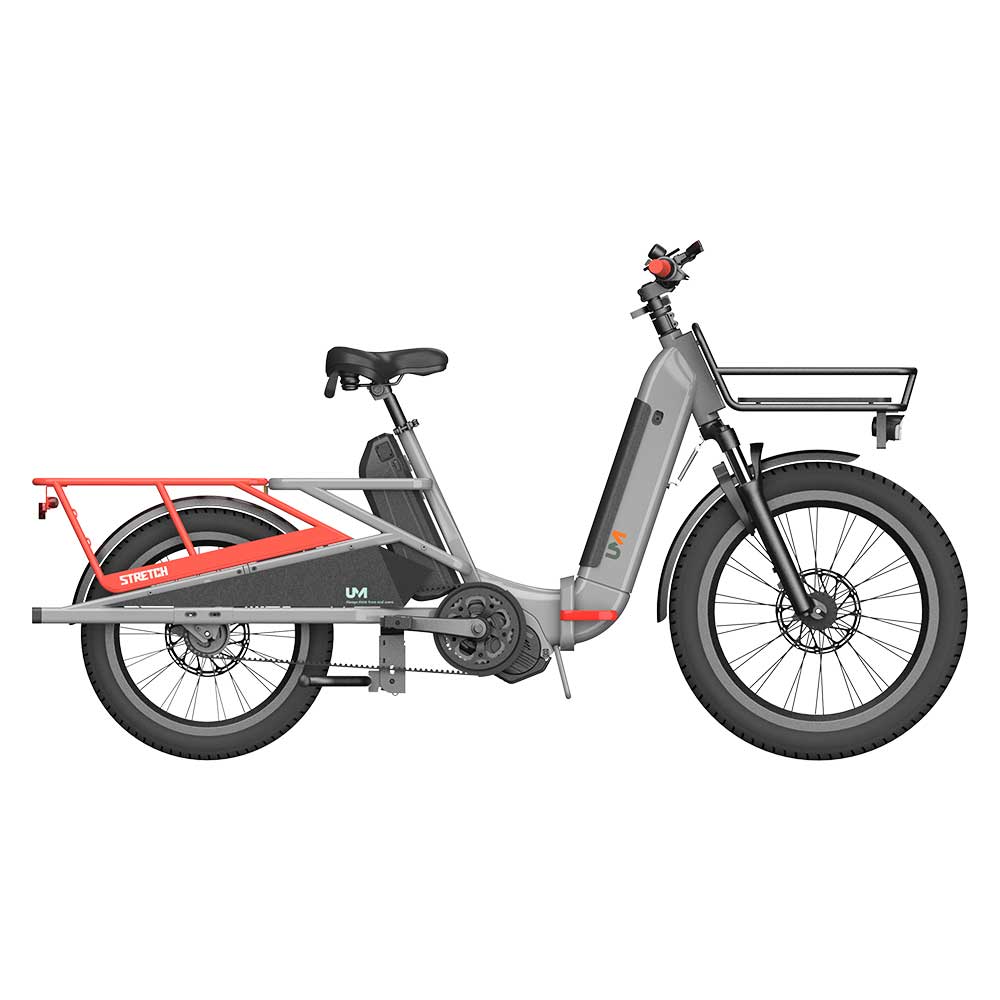
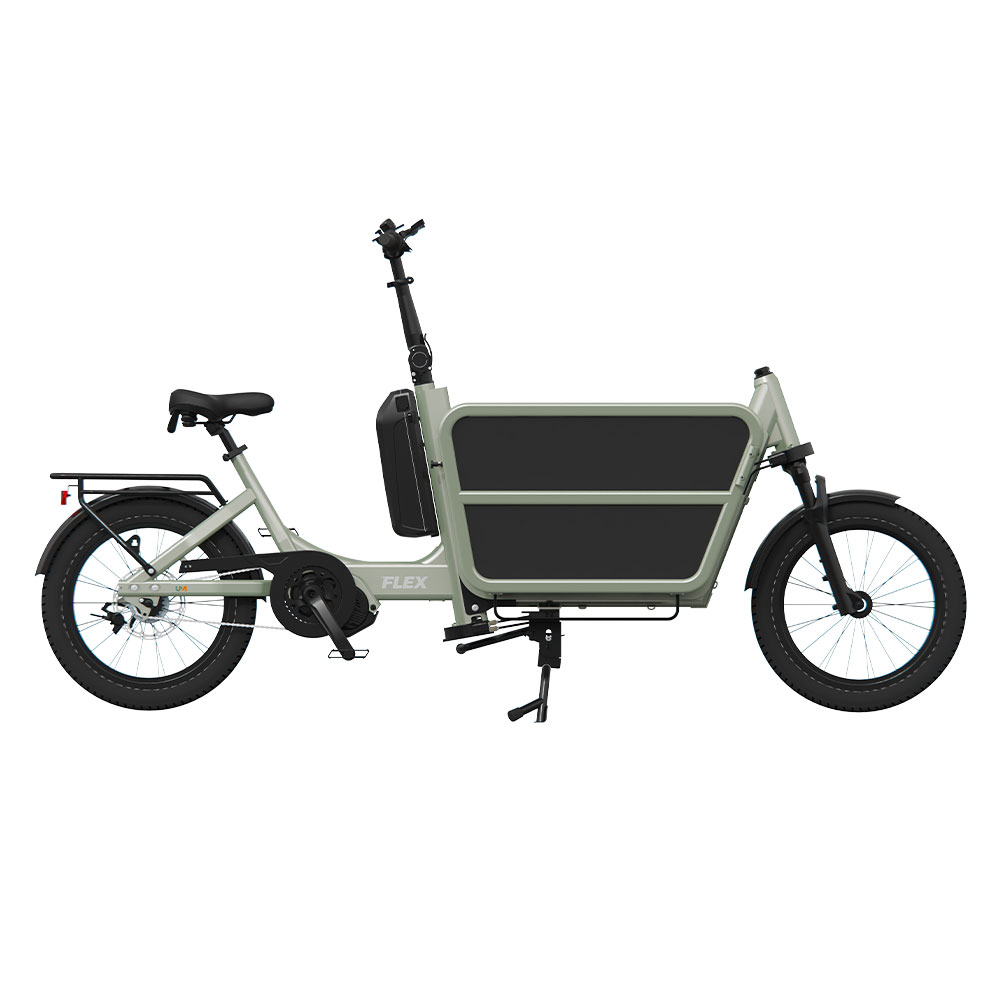
Models like UM Flex or UM Stretch are designed for:
- navigating narrow city streets
- easy parking and storage
- safe, enclosed child seating
Compared with larger cargo trikes, they’re designed feel closer to a standard bicycle, making them easier for new riders to adopt.
For a deeper understanding of why these formats dominate in Europe, see:
Long John Cargo Bike: Engineering, Safety, and Real-World Decisions
Longtail Cargo Bike Explained: User Insights That Shape Better Products
For Growing Families: High-Capacity Front-Load Cargo Bikes
As family needs expand—two to four children(or having large pets), school bags, groceries—capacity becomes the defining factor.
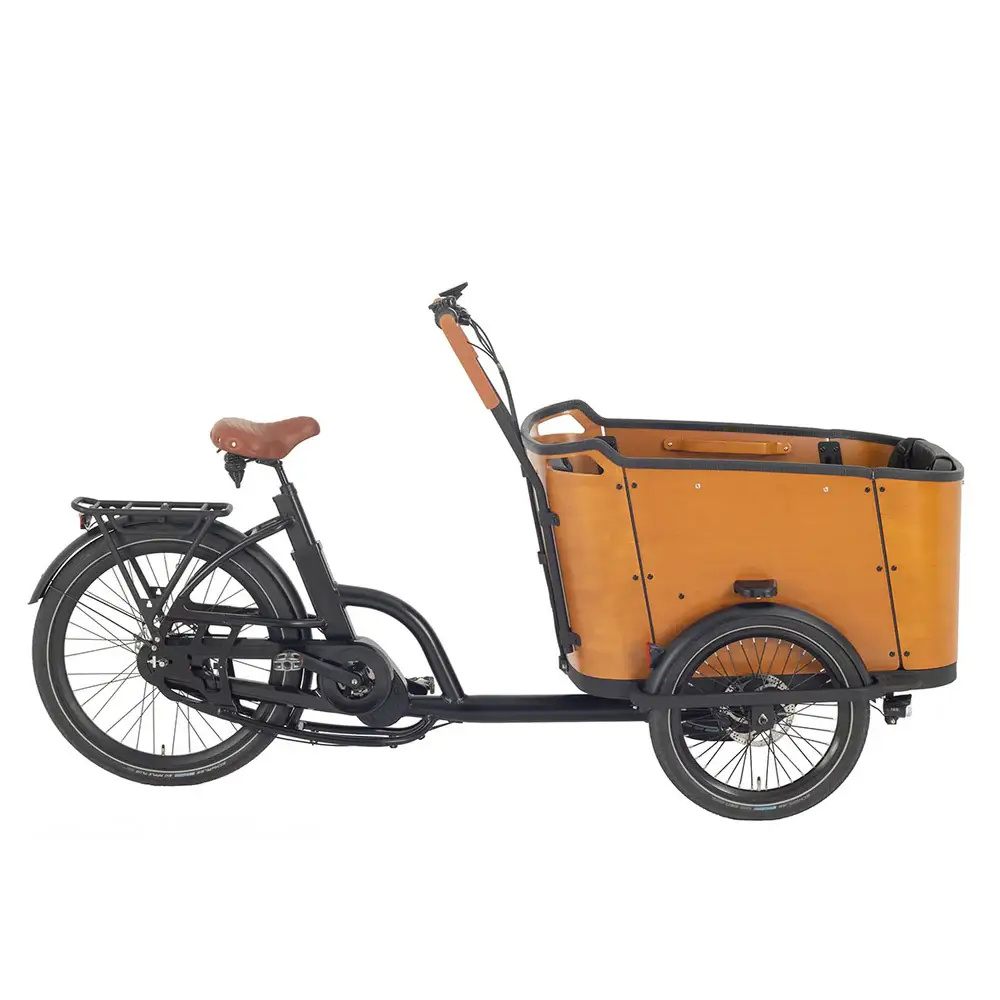
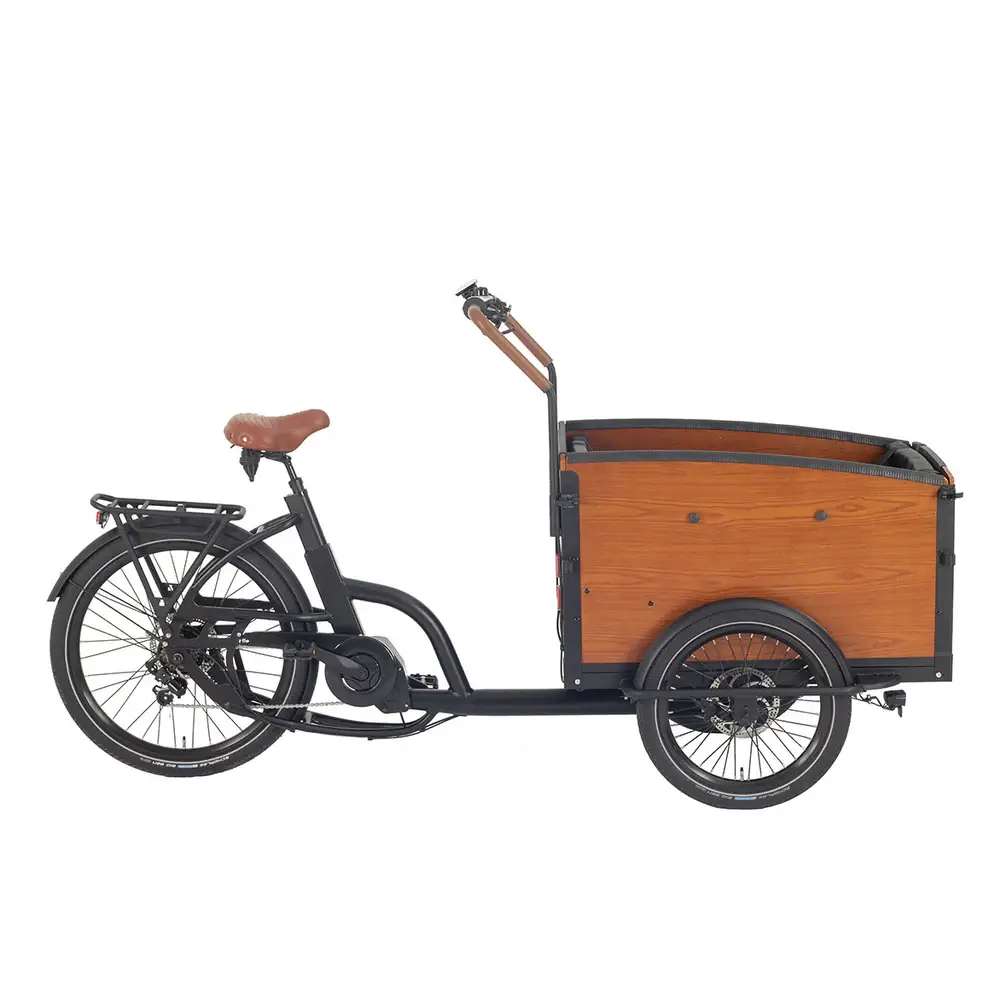
Larger front-load models such as Rodzina C, Rodzina S, or UM SE provide:
- higher load volume and weight capacity
- stable low center of gravity
- compatibility with multi-child seating systems
These bikes are well suited for families who rely on their electric bike for family transport as a primary mobility tool, replacing short car trips almost entirely.
For Maximum Stability and Confidence: Three-Wheeled Family Options
For some riders—especially those new to cycling, or carrying multiple children—stability at low speeds is critical.
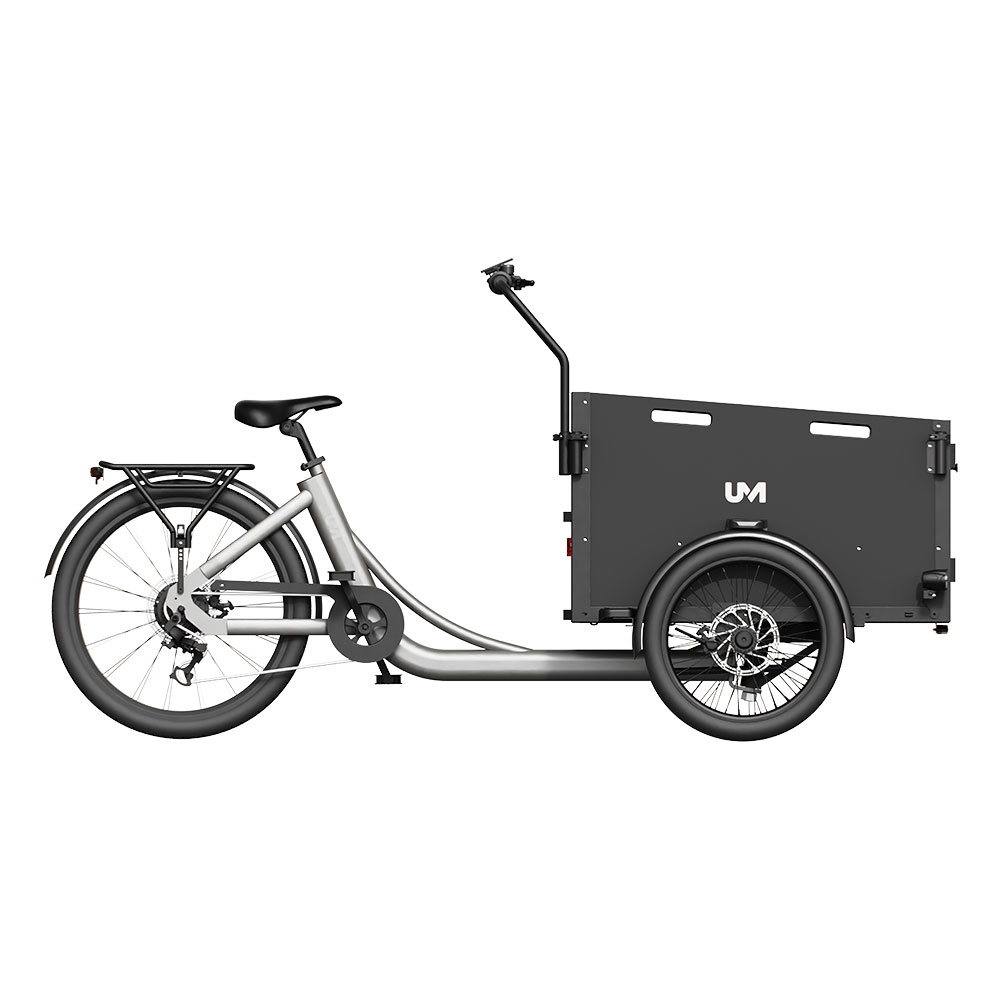
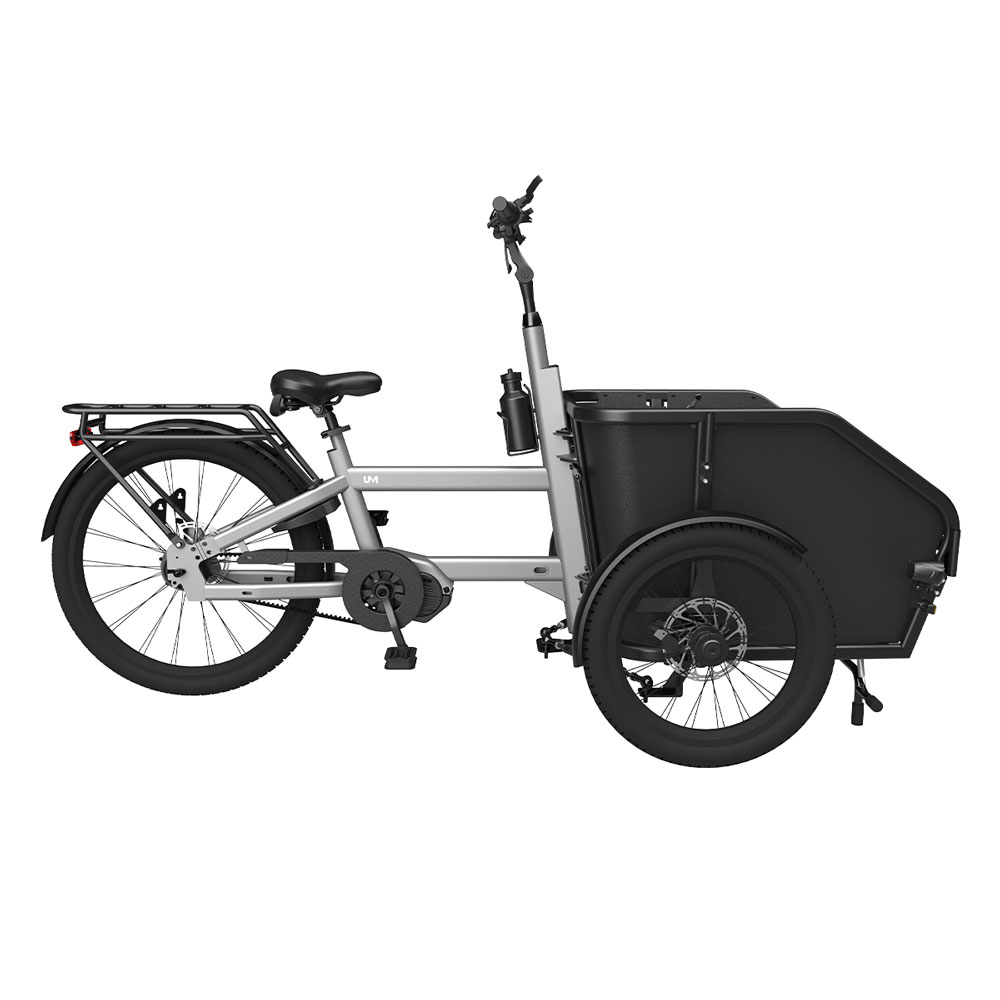
Three-wheeled cargo bikes like UM Flow provide:
- stable handling when stopping and starting
- strong load support for heavier configurations
- added confidence for less experienced riders
While they require more space and have a different riding dynamic, they remain a preferred option for families prioritizing safety and ease over speed and compactness.
For Simplicity and Familiar Riding Feel: Longtail Family Bicycles
Not every family needs a front cargo box. For those prioritizing compact storage and a familiar riding posture, longtail bikes like UM Stretch offer a practical alternative.
They are especially suitable for:
- shorter daily trips
- older children riding on the rear rack
- riders who prefer a traditional bicycle feel
Longtails also tend to have a shorter learning curve, which can be an important factor for first-time cargo bike users.
For more insights into rider-focused design and comfort considerations, see:
→ Longtail Ebike for Women: Key Design, Comfort, and Use-Case Insights
In practice, there is no single “best” family bicycle—only the one that aligns with how it will be used every day.
- Compact city living → Two-wheeled cargo bike (Longjohn Zip / Longtail Stretch)
- Larger families → Front-load cargo with larger box (Family C / S / SE)
- Simple, flexible use → Longtail (Stretch)
- Maximum stability → Three-wheeled cargo bikes (Flow)
The most successful transitions to family-friendly transport happen when the bike fits naturally into daily routines—making it easier, not more complicated, to replace car trips.
What Families Truly Need in a Cargo Bike
When families shop for a cargo bike, they rarely start by comparing specs. They start with feelings:
‘Will this be safe for my kids? Can I trust it in traffic? Will it replace the car without making life harder?’
From talking to dealers, European riders, and industry experts across the cargo-bike sector, these are the core insights:
1. Safety they can see and feel
2. Easy everyday handling
3. Room for real family life
4. Comfort for long-term use
5. True electric support
Everyday Scenarios Where Family Bikes Win
Family cargo bikes succeed because they solve real problems in daily life.
Here are the scenarios that most often drive purchase decisions—and that should shape your product strategy:

Family Cargo Bikes ODM
We develop frames, boxes, molds, and tubing entirely in-house, allowing full customization of geometry, components, load capacity, branding, lighting systems, drivetrain configurations, and more. Our production is optimized for European regulations, and we support OEM or ODM projects depending on your business strategy. Whether you wish to create a fully customised design from scratch or select from our extensive range of pre-designed models, we provide tailored cargo bike solutions to meet your needs.
Miej naprawdę
wspaniałe pomysły?
Zostaw wiadomość
Powiedz nam o swoim zapotrzebowaniu
Nasz doświadczony zespół jest gotowy dostarczyć rozwiązania dostosowane do potrzeb klienta, wspierające rozwój Twojego biznesu.
Nasz blog
Najnowszy blog i artykuły
Dowiedz się więcej o najnowszych innowacjach, trendach w branży i nowościach produktowych lidera branży rowerowej.
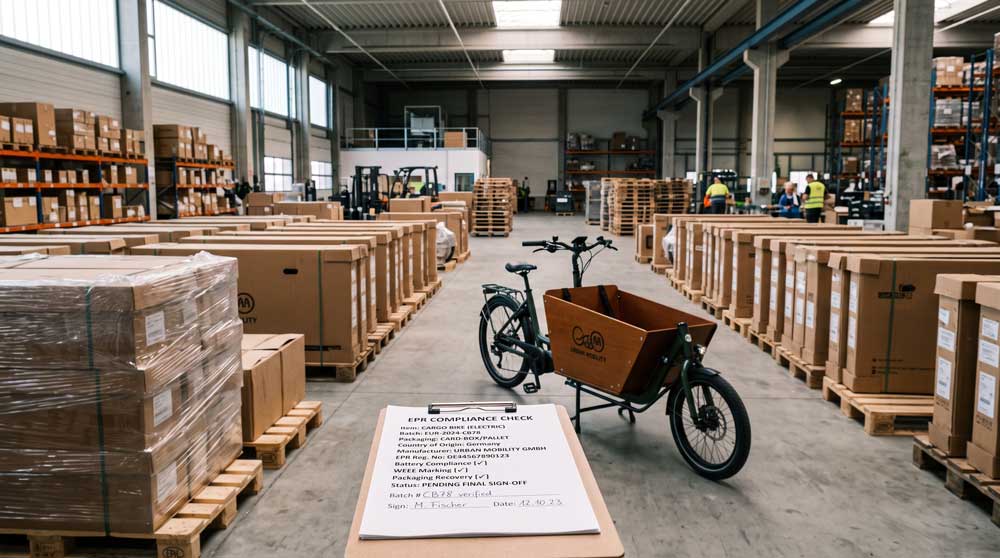
EPR for E-Bike Importers in Europe: What You Actually Have to Register, and Where
Extended Producer Responsibility (EPR) is the set of EU and national rules that make the company placing a product on a market financially responsible for that product's end of life. If you import e-bikes, e-cargo bikes or electric trikes into a European country under your own brand, that company is you — not your manufacturer. This guide explains the three obligation streams that apply to electric bikes, the 2025–2027 regulatory timeline, and what to sort out before your first container lands. Official sources used in this guide — bookmark these; every claim below can be checked against them: WEEE Directive 2012/19/EU — scope, exclusions, producer definition (Art. 2–3) EU Battery Regulation (EU) 2023/1542 — battery EPR, LMT category, battery passport Packaging & Packaging Waste Regulation (EU) 2025/40 (PPWR) — applicable from 12 August 2026; the ELI text is the only legally authoritative version European Commission...
Semi-Recumbent vs Upright Electric Trike: Building a US Range
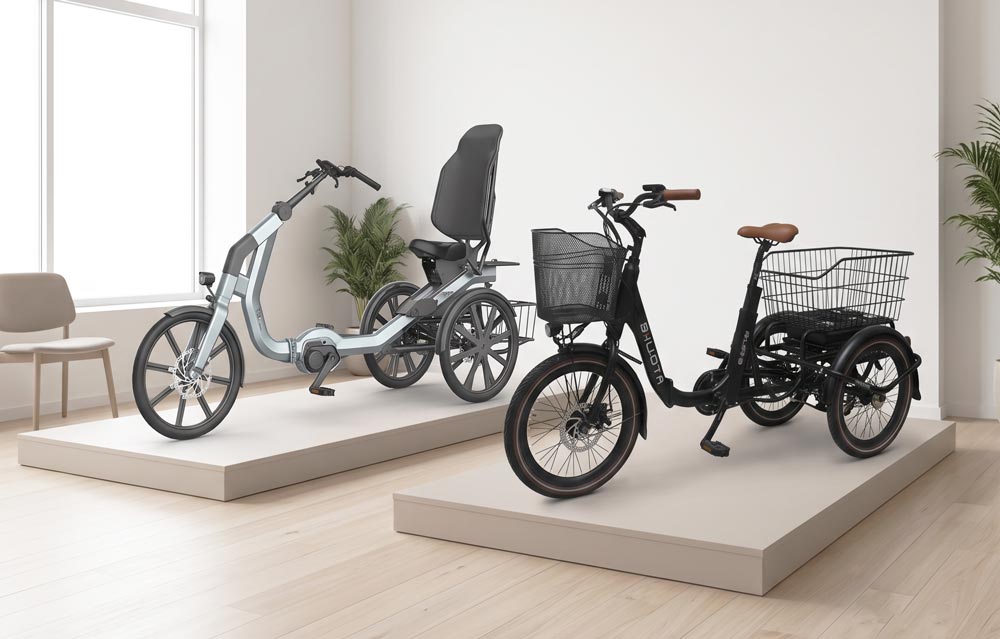
Semi-recumbent vs upright electric trike is usually discussed as a rider preference. For anyone building a US range it is not a preference question at all — it is a channel question, and getting it wrong costs more than a wrong colourway. The two formats attract different buyers, at different prices, through different retail environments, with different documentation attached. Stocking one and assuming it covers the other is the most common assortment error in this category. This article sets out how to split a US range between them, and what each format has to be engineered to do. Three conclusions up front: They are not two versions of one product. They differ in seating geometry, centre of gravity, price tolerance and — decisively — where the sale happens. Most US ranges need both, weighted. Upright covers volume and familiarity; semi-recumbent covers...
Electric Trike Stability Engineering: Designing Out Tip-Over
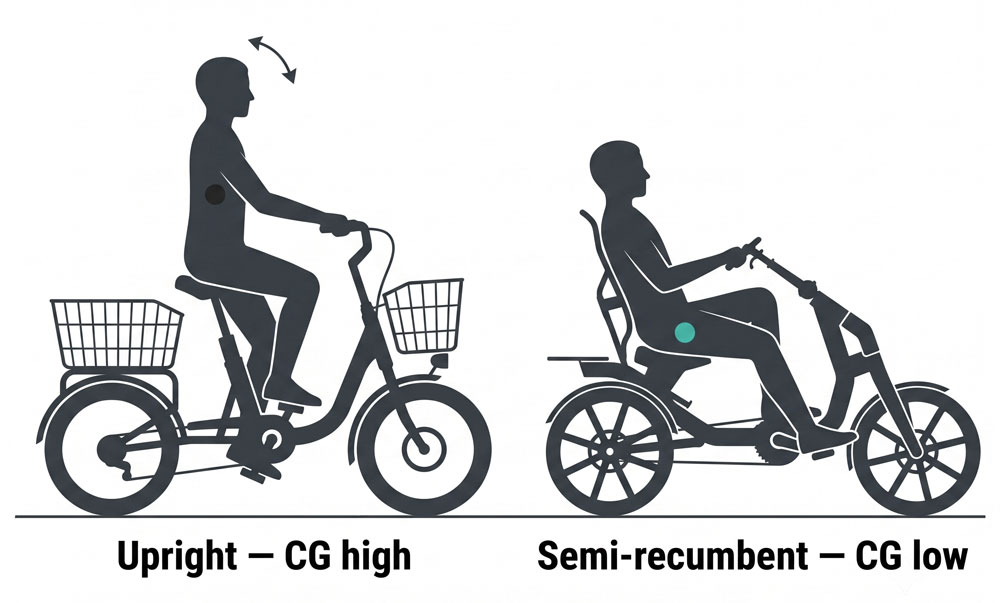
Electric trike stability engineering is the part of this category that marketing talks around and physics does not. A three-wheeled cycle is bought to remove a fall risk — and a poorly designed one introduces a different one: it can lift a wheel and roll over in a turn. Read US owner feedback across the category and this appears often enough, across enough suppliers, to be a category-level design failure rather than an isolated defect. It is also entirely predictable from geometry, which means it is preventable at the drawing stage. This article sets out the physics of trike rollover, the numbers that predict it, and the specific decisions that engineer it out — written for the people who specify and source these products, not the people who ride them. Three conclusions up front: Rollover is geometric, not accidental. A single...