
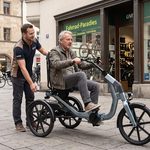

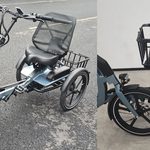
Longtail cargo e-bikes are no longer a niche solution. In Europe and North America, they have become a practical replacement for second cars, delivery vans, and short urban trips. (Read the acrticle: Reasons for the rise of long-tail cargo bikes)
If you are developing, sourcing, or customizing a longtail cargo bike, the real challenge is not choosing components — it is understanding how end users actually ride, load, and live with these bikes.
This guide distills real user insight — from dealer feedback, rider behavior, and recurring questions on forums like Reddit — to help you design longtail cargo e-bikes that perform in real-world use.
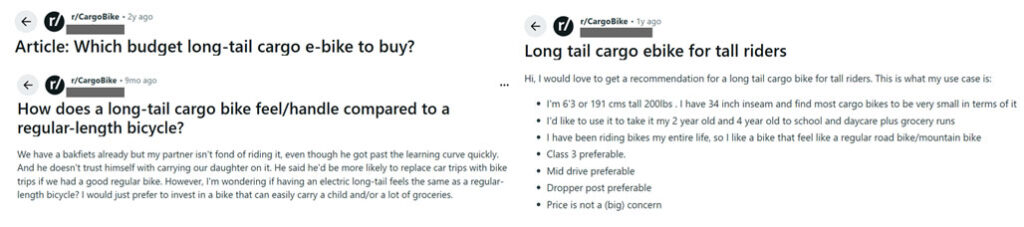
What Is a Longtail Cargo Bike?
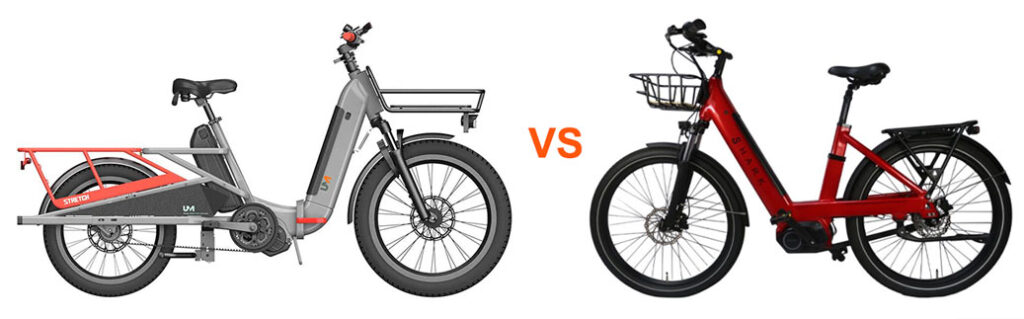
A longtail cargo bike is a two-wheeled bicycle with an extended rear triangle designed to carry heavy loads or passengers on a reinforced rear rack. Unlike three-wheeled cargo bikes, longtails keep a familiar riding position and footprint close to a standard bicycle.
Typical use cases include:
- Carrying one or two children with rear child seats
- Mixed cargo + passenger transport
- Urban commuting with tools or goods
- Family mobility in dense cities
From a business perspective, longtail cargo e-bikes offer a lower-risk entry point into the cargo category.
For first-time cargo bike buyers with load-carrying needs, the familiar riding geometry makes longtails easier to accept than front-loading or three-wheeled designs. This reduces customer education costs and shortens the sales cycle.
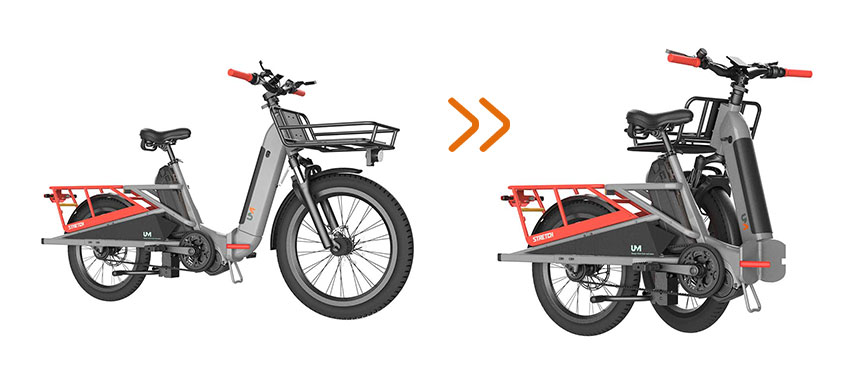
On the supply side, longtail models are more efficient to manufacture, store, and ship. Their compact dimensions—especially with foldable frames design—lower container volume, logistics costs, and damage risk in bulk orders.(Foldable platforms like UM Stretch also reduce shipping volume and improve inventory efficiency without compromising load capacity.)
For brands, longtails also offer greater margin flexibility. Modular configurations, adjustable load setups, and scalable component options allow multiple SKUs to be built on a single platform, supporting different price points and markets without increasing development complexity.
How Does a Longtail Cargo Bike Handle vs a Regular Bike?
Conclusion first: riders expect a longtail cargo e-bike to feel normal, even when loaded.
Key handling differences users notice
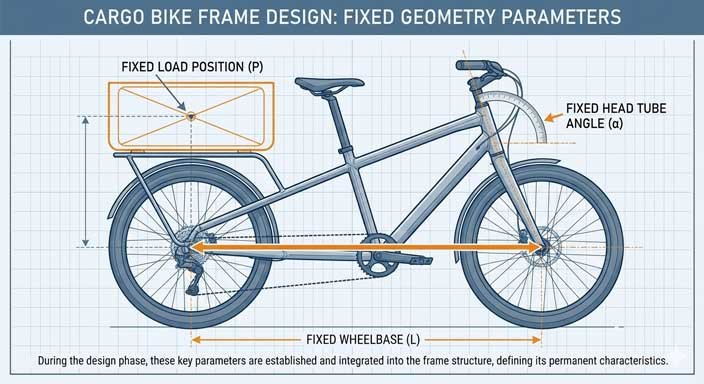
- Longer wheelbase improves straight-line stability
- Rear-heavy load affects low-speed balance, especially during starts
- Tighter turns can cause knee–handlebar interference if geometry is not optimized
Compared to a regular bicycle, users accept:
- Slightly wider turning radius
- Slower acceleration when fully loaded
They do not accept:
- Unpredictable steering
- Frame flex under load
- Braking inconsistency
This is why frame geometry and stiffness matter more than raw motor power.
What Families Expect From a Longtail Cargo E-Bike
For many households, a longtail cargo e-bike is not a lifestyle upgrade—it is a family bike meant to replace short car trips. When choosing a model, families focus less on technical specs and more on whether the bike can carry people and cargo reliably, handle daily routes with confidence, and reduce the stress of everyday riding. These expectations shape how longtail cargo bikes are evaluated in real use:
Who Actually Rides the Bike Matters
In many European cities, a significant share of longtail cargo bike riders are women—often parents carrying children on daily routes. This shifts priorities away from raw performance toward controllability, perceived safety, and visual balance. Easy mounting, predictable low-speed handling, confident braking, and a design that feels stable rather than bulky strongly influence purchase decisions.
A bike that feels intuitive and reassuring is more likely to be ridden daily—and kept long term.
For brands, designing with female riders in mind is not a niche choice—it reflects the reality of how family cargo bikes are used.

Why Practical Load Capacity Matters More Than Specs
Users rarely talk about theoretical payload numbers. They care about what they can carry every day.
What riders actually evaluate
- Rear rack rated load (commonly 60–100 kg)
- Max system weight (bike + rider + cargo), typically 180–250 kg
- Whether the rack supports:
- Two child seats
- One child + panniers
- Accessories like safety rails or rain covers
Tip:
Higher-rated rear racks consistently outperform lighter designs in user reviews, even when riders never reach the maximum load.
Range Anxiety Is Real — Dual Battery Options Matter
For electric longtail cargo bikes, range confidence is a buying trigger.
Typical user expectations
- 50–70 km real-world range when loaded
- Consistent assistance on hills and headwinds
- Predictable battery behavior in cold or wet conditions
Users increasingly prefer:
- Dual battery options
- External or easily removable batteries
- Clear range indicators
This is especially important for:
- Families doing multiple daily trips
- Delivery riders covering fixed routes
Power, Speed, and Hill Climbing: What Users Actually Want
Most riders do not ask for “the strongest motor.”
They ask for effortless starts with weight.
Key priorities
- Smooth torque delivery at low cadence
- Reliable hill starts when carrying children
- Legal top speed compliance:
- 25 km/h (EU pedelec standard)
- 20 mph (US Class 1/2 markets)
Mid-drive motors are often preferred for:
- Better load management
- Natural riding feel
- Easier maintenance of rear wheel systems
Comfort and Control Over Long-Term Use
Longtail cargo bikes are ridden daily, not occasionally.
Features users repeatedly highlight
- Low-step or mid-step frames for easy mounting with kids
- Suspension fork to reduce vibration
- Torque sensors for smooth assistance
- Adjustable seat post and handlebar
A common Reddit complaint:
“My knees hit the handlebar when turning.”
This points to the need for careful cockpit geometry, especially for shorter or taller riders.
Accessories Make or Break the Experience
For families, the bike is a system — not just a frame.
High-value accessories include:
- Child seats and safety rails
- Rain covers for rear passengers
- Bright front and rear lights
- Turn signals and reflectors
- Puncture-resistant tires
- GPS tracking and anti-theft systems
Bikes that ship accessory-ready outperform those that require custom fitting.
Storage, Transport, and Assembly Considerations
Urban users care about:
- Whether the bike fits in elevators or bike rooms
- Ease of assembly at delivery
- Possibility of folding components (handlebar, footrests)
For us who run the business, this affects:
- Shipping volume
- Dealer assembly time
- Return rates
Rider Size and Budget: The Two Most Asked Questions Online
Rider size
Users frequently ask:
- “Is this longtail cargo bike good for shorter riders?”
- “Can tall riders ride comfortably?”
Solutions include:
- Single frame with wide adjustment range
- Multiple frame sizes
- Adjustable cockpit and seat post
Budget
Buyers compare:
- Initial cost vs long-term durability
- Included accessories vs add-ons
- Battery lifespan and replacement cost
Value is defined by useful lifespan, not price alone.
What This Means for Your Cargo Bike Product Development
For companies exploring longtail cargo bikes as part of a broader product strategy, understanding the European market entry path is often the next step. (Read the article: How to start my custom cargo bike business)
If you are sourcing or developing a longtail cargo e-bike, user insight suggests you should prioritize:
- Frame stiffness and geometry over headline specs
- Rear rack strength and real-world load usability
- Dual battery readiness
- Accessory compatibility from day one
- Fit flexibility for different rider sizes
These are the factors that drive long-term satisfaction — and repeat sales.
One example of how these expectations come together is the UM Stretch longtail cargo e-bike — a platform designed around real family use, from space-saving transport to modular safety solutions. → Explore UM Stretch
Or explore all types of cargo bikes across UM‘s full range: Electric Cargo Bikes
Final Thought
Longtail cargo e-bikes succeed when they disappear into daily life.
Your role, as a brand or OEM, is to design for how people actually ride, not how bikes are marketed.
If you want to explore how these insights translate into real profitable longtail cargo bikes, you can speak with us(UM-A professional longtail cargo bike manufacturer) for a technical discussion or tailored quotation — based on your market, users, and regulations>> Contact Us.
 English
  German
  Dutch
Dutch  Danish
  French
  Polish
  Portuguese
  Spanish