
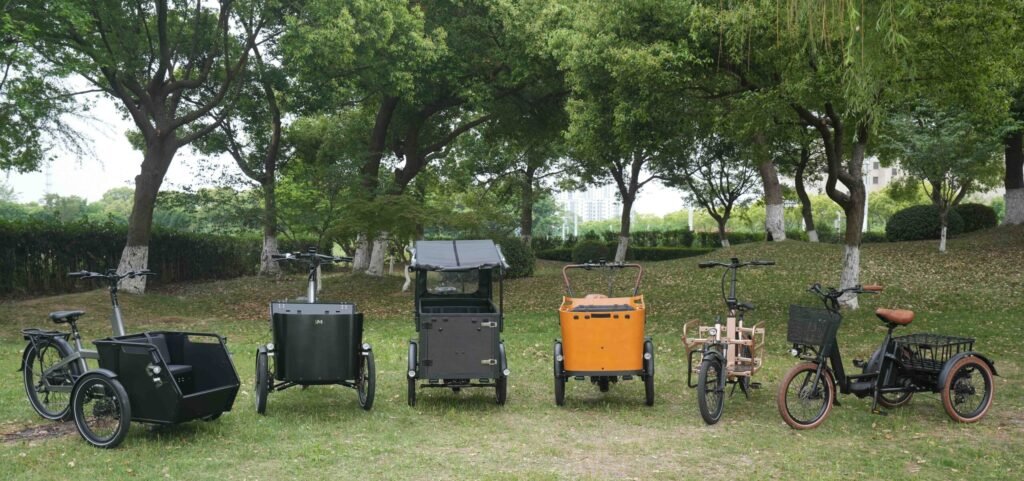


Cargo e-bikes are shaping the future of sustainable transport, combining practicality with efficiency for both businesses and families. This guide covers the main cargo e-bike types, essential components, motor systems, EU regulations, and market insights—providing a clear industry reference for B2B decision-makers.
Types of Cargo E-Bikes

Cargo e-bike types vary widely, designed to meet the needs of families, commuters, and businesses handling deliveries or bulk transport.
Long-Tail Cargo Bikes
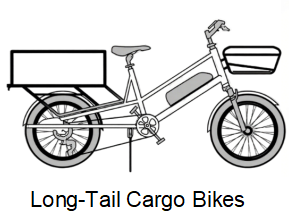
One of the most popular cargo e-bike types, long-tail cargo bikes extend the rear frame to carry extra passengers or goods.
- Capacity: 40–100kg
- Passengers: One to three children on the rear deck
- Advantages: Easier handling due to standard bike feel, convenient storage
- Use Cases: Family school runs, light deliveries, grocery shopping
- Examples: Specialized Globe Haul, Trek Fetch+
More reading about Long tail Cargo E-Bike which Gain Momentum Across Europe
Front-Loading Cargo Bikes (Bakfiets)
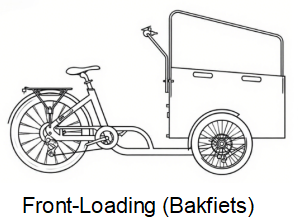
Front-loading cargo bikes, often called bakfiets, feature a large box in front for maximum visibility.
- Capacity: 80–150kg
- Passengers: Two to four children
- Advantages: Rider can monitor children or goods, optional weather covers
- Use Cases: Commercial deliveries, mobile coffee stands, family rides
- Variants: Agile two-wheelers or stable three-wheelers
Recommended reading:
Mid-Tail Cargo Bikes(similar as city e-bike)
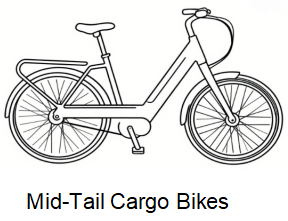
A more compact take on long-tail designs(eg. UM Stretch), these are a versatile cargo e-bike type suitable for urban riders.
- Capacity: 30–60kg
- Passengers: One to two children
- Advantages: Easy to park, highly manoeuvrable
- Use Cases: City commuting with modest loads
Cargo Trikes (Three-Wheelers)
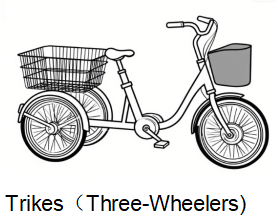
For businesses handling heavier logistics, three-wheeled cargo trikes offer unmatched stability.
- Capacity: 100–200kg+
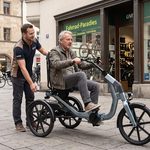
- Advantages: Stable when stationary, accessible for older riders
- Disadvantages: Wider design, different handling
- Use Cases: Large-scale delivery, mobility for elderly or disabled users
Compact Cargo Bikes
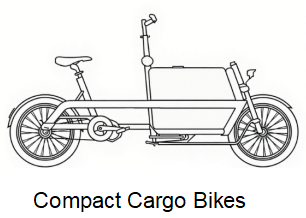
Compact long john design balances practicality with portability, ideal for inner-city users.
- Capacity: 20–40kg
- Advantages: Lightweight, easy storage, cost-effective
- Use Cases: Small deliveries, commuting, groceries
Recommended reading:
- Long John Cargo Bike: Engineering, Safety, and Real-World Decisions Behind Europe’s Most Versatile Urban Workhorse
- 2026 Long John Cargo Bike Blueprint: Engineering for the Modern Family
Recumbent Cargo Bikes
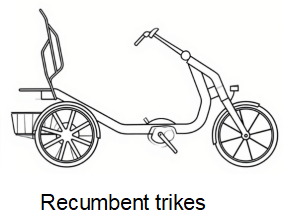
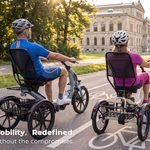
Recumbent cargo bikes(eg. UM Chill & UM Vita) combine the ergonomic benefits of recumbent cycling with practical cargo-hauling capabilities. Recommended reading: Electric Recumbent Tricycles Built for Comfort, Stability, and Long-Term Riding
- Examples: Hase Pino Cargo, Azub Recumbent Cargo Trike.Essential Components
- Description: Rider sits in a reclined position with pedals at the front, cargo area usually positioned behind or beneath the seat.
- Capacity: 40–120kg cargo weight depending on design.
- Passengers: Typically 1–2 children in rear or side-mounted seats.
- Advantages: Superior comfort for long rides, reduced strain on rider’s back and wrists, aerodynamic efficiency for extended commutes.
- Disadvantages: Larger footprint than upright cargo e-bikes, more challenging in stop-and-go urban traffic.
- Use Cases: Long-distance cargo commuting, sustainable touring with cargo, niche delivery applications where rider comfort is critical.
Frame & Structure
Reinforced aluminium alloy is most common, with steel and carbon fibre alternatives. Frames feature low step-throughs for accessibility and integrated mounting points for cargo solutions.
When deciding which frame material to choose before make an order, read these articles first:
- Choosing the Right Cargo Bike Frame Material: 6061 Alloy, Steel, or Something Else?
- Cargo Bike Frames: Why Most Problems Start Long Before Production
- Cargo Bike Frame Explained: What Matters When You Build for Real-World Use
Cargo E-Bike Motor Systems: Hub vs Mid-Drive
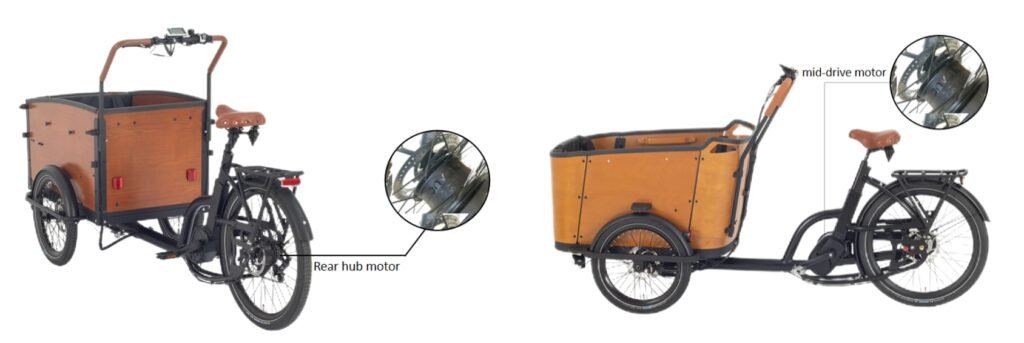
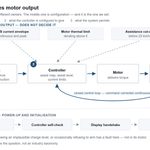
The cargo e-bike motor system is central to performance, especially under heavy load.
- Hub Motors:
- Front hub (250–500W) is simpler but less efficient for cargo.
- Rear hub (250–750W) offers better traction and direct drive.
- Advantage: Lower cost, easy maintenance.
- Mid-Drive Motors:
- EU limits to 250W pedal-assist, though higher power exists elsewhere.
- Brands: Bosch, Shimano, Yamaha, Brose.
- Advantage: Uses bike’s gears for efficiency, balanced weight distribution.
- Ideal for professional fleets requiring durability and performance.
Battery Technology
Modern lithium-ion batteries (400–1000Wh) power cargo e-bike motor systems, offering 40–120km per charge. Dual-battery options extend range for commercial use.
- UN 38.3: Transport testing for lithium batteries
- IEC 62133: Safety requirements for lithium cells
- Waste Directive: End-of-life battery disposal requirements
- RoHS Compliance: Restriction of hazardous substances
Some essential information please check Cargo Bike Battery System and E-Cargo Bike New Battery Rules.
Braking Systems
Hydraulic disc brakes with large rotors are standard, providing reliable stopping power for heavy cargo e-bike types.
Disc Brakes (Standard)
- Hydraulic: Better modulation, less maintenance, consistent performance
- Mechanical: Easier to adjust, lower cost
- Rotor Sizes: 160-203mm (larger for cargo bikes due to increased stopping power needs)
Rim Brakes (Less common on cargo bikes)
- Limited stopping power for heavy loads
- Weather-dependent performance
Drivetrain Components
Derailleur systems remain affordable, while internal hub gears and belt drives reduce maintenance for long-term fleet use.
Gearing Systems
- Derailleur Systems: 7-12 speed, traditional shifting
- Internal Hub Gears: 3-14 speed, protected from elements, low maintenance
- Automatic Transmissions: Emerging technology, optimal efficiency
Chain vs Belt Drive
- Chain: Traditional, serviceable, lower cost
- Belt: Clean, quiet, long-lasting, requires special frame design
Wheels & Tires
Cargo bikes often use mixed wheel sizes (20” front, 26” rear) with wide, puncture-resistant tyres—crucial for consistent delivery operations.
Wheel Sizes
- 20″ Front/Rear: Lower center of gravity, easier loading
- 26″ Standard: Good balance of stability and efficiency
- Mixed Sizes: 20″ front, 26″ rear for optimal handling
Tire Specifications
- Width: 1.5-2.5 inches for stability and comfort
- Puncture Protection: Essential for commercial use
- Tread Patterns: Urban, all-terrain, or specialized delivery tires
Cargo Solutions
From rear racks to front-loading boxes, cargo solutions define how a bike adapts to business needs. Options include lockable boxes for deliveries, child seats, and modular racks.
Safety & Lighting
Integrated LED lights, reflective elements, and child harnesses ensure compliance and safe operation.
Integrated Lighting
- Front Lights: LED, 50-200+ lumens
- Rear Lights: LED with brake light function
- Power Source: Bike battery or separate battery
- Regulations: Must comply with local visibility standards
Reflective Elements
- Spoke Reflectors: Side visibility
- Frame Reflectors: Integrated or adhesive
- Cargo Area Reflectors: Highlight bike dimensions
Functional Systems
Functional systems in a cargo e-bike manage power delivery, rider control, and safe load handling for commercial use.
- Assist Modes: Eco, Normal, Turbo, and Walk Assist for pushing.
- Sensors: Torque sensors ensure proportional assistance, essential for smooth performance.
- Displays: Battery life, speed, trip data, and sometimes GPS or theft protection via smartphone apps.
- Charging: Workplace charging is growing, with fast charging reducing downtime for fleets.
- Load Management: Balanced loading and secure tie-downs protect goods and passengers.
EU Regulations & Compliance
Understanding EU regulations for cargo bikes is vital for manufacturers, importers, and delivery companies.
L1e-A (Standard Cargo E-Bikes)
No Registration Required
- Maximum Continuous Power: 250W rated motor power
- Speed Assistance: Up to 25 km/h with pedal assist
- Pedal Requirement: Motor only assists when pedaling (except walk mode up to 6 km/h)
- Power Cut-off: Assistance stops at 25 km/h
No Registration Required
- Treated as conventional bicycles
- No license, insurance, or helmet requirements (though recommended)
- Access to bike lanes and paths
L1e-B (Speed Pedelecs)
Power Requirements
- Restrictions: No access to bike lanes in most EU countries
- Maximum Continuous Power: 4000W
- Speed Assistance: Up to 45 km/h
- Requirements: Registration, license plate, insurance mandatory
Safety Standards
EN 17860 sets requirements for mechanical strength, electrical safety, and stability.
More reading about EN17860 you may want to know:
- Cargo Bike EU Certification: EN 15194 vs EN 17860 Explained
- Electric Cargo Bike CE Certification: Timeline, Process, and ODM Decision Guide
Manufacturing Compliance
All EU models must bear CE marking, meet UN 38.3 battery transport testing, and follow IEC 62133 for lithium battery safety.
Import/Export Rules
HS coding, customs duties (6% for complete e-bikes), and warranty compliance are key considerations for cross-border trade.
Market Considerations
Cargo e-bikes succeed commercially when tailored to specific market segments with clear ROI for businesses.
- Family Transport: €2,500–6,000, prioritising safety and weather protection
- Commercial/Delivery: €3,000–8,000, focusing on durability and low operating cost
- Urban Commuting: €2,000–5,000, offering portability and integration with public transport
Performance Metrics:
- Range of 40–80km under load
- Payloads of 40–200kg depending on design
- Regular maintenance (brakes, chains, tyres, batteries) ensures reliability
Technical Specifications
Technical specifications define whether a cargo e-bike meets industry demands for durability, safety, and efficiency.
- Performance: 0–25 km/h in 8–15 seconds; can climb 15–20% gradients fully loaded.
- Efficiency: 8–15Wh/km consumption; regenerative braking adds limited recovery.
- Sustainability: Zero direct emissions, modular upgrades extend lifespan.
- Quality Assurance: TÜV and SGS testing validate compliance with ISO 4210 and REACH standards.
Industry Resources
Businesses can access industry organisations and testing bodies to ensure compliance and stay competitive.
- Professional Organisations: CONEBI, LEVA-EU
- Certification Bodies: TÜV Rheinland, DEKRA, SGS
- Standards Organisations: CEN, IEC, ISO
Conclusion
From long-tail cargo bikes for families to three-wheeled trikes for logistics, cargo e-bike types are reshaping urban mobility. With the right cargo e-bike motor system, durable components, and awareness of EU regulations for cargo bikes, businesses can optimise fleets for efficiency, sustainability, and compliance.
Need a trustworthy cargo bike manufacturer? Contact United Mobility for a free customized quote!
 English
  German
  Dutch
Dutch  Danish
  French
  Polish
  Portuguese
  Spanish