

Większość artykułów o komercyjnych elektrycznych rowerach cargo w Europie powie Ci, że rynek ten dynamicznie rośnie. Nie dowiesz się jednak, kto tak naprawdę produkuje rowery marek, które rozważasz – ani jakie są opcje zakupu poza zwykłym zakupem gotowego produktu.
Niniejszy przewodnik został napisany dla operatorów flot porównujących całkowity koszt posiadania w Niemczech, Holandii i Francji, a także dystrybutorzy i marki własne, którzy chcą zrozumieć, jak w rzeczywistości działa pozyskiwanie komercyjnego roweru elektrycznego cargo od producenta ODM. Obie rozmowy są istotne i w praktyce są bardziej powiązane, niż sugeruje większość treści branżowych.
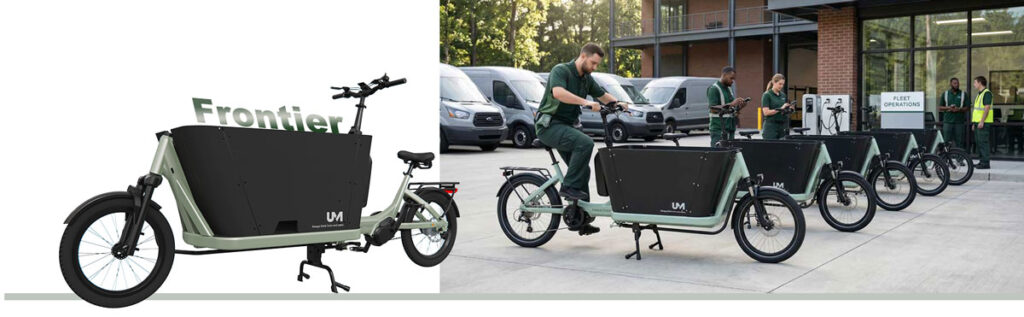
Dlaczego europejskie floty zastępują furgonetki komercyjnymi rowerami elektrycznymi
Liczby stojące za tą zmianą są już dobrze udokumentowane. Według ZIV, Według niemieckiego stowarzyszenia branży rowerowej, sprzedaż rowerów cargo dla klientów indywidualnych wzrosła z około 60 000 sztuk w 2018 roku do 235 250 sztuk w 2024 roku – a dane te wyraźnie nie uwzględniają rowerów cargo do użytku komercyjnego, które są monitorowane oddzielnie. Segment komercyjny rośnie wraz z rynkiem konsumenckim, napędzany przez inny zestaw czynników: rosnące koszty dostaw w miastach, rozszerzające się strefy niskiej emisji oraz ekonomikę operacyjną logistyki ostatniej mili w gęsto zaludnionych korytarzach miejskich.
Otoczenie regulacyjne przyspiesza ten proces. Niemiecki program BAFA oferuje kwalifikującym się przedsiębiorstwom dotacje do 2500 euro na komercyjny elektryczny rower towarowy. W Holandii RVO wspiera elektryfikację floty poprzez program MIA/Vamil, który umożliwia przyspieszoną amortyzację inwestycji w transport niskoemisyjny. W kilku francuskich miastach władze lokalne wprowadziły ograniczenia w dostępie do logistyki dla furgonetek z silnikiem Diesla w strefach centralnych – to bezpośredni krok w kierunku lżejszych alternatyw elektrycznych.
Operatorzy flot, którzy zdecydowali się na zmianę, konsekwentnie podają trzy czynniki: niższe koszty eksploatacji tras po wyeliminowaniu kosztów paliwa i konserwacji, dostęp do stref miejskich zamkniętych obecnie dla lekkich pojazdów użytkowych oraz prostszą logistykę siły roboczej, ponieważ rowerzyści przeszkoleni na standardowych rowerach wymagają minimalnego dodatkowego przeszkolenia w zakresie rowerów typu pedelec cargo.
Całkowity koszt posiadania: ile faktycznie płacą operatorzy flot
TCO to miejsce, w którym biznesplan dla rower towarowy elektryczny komercyjny w Europie jest kwestią wygranej lub przegranej, a także tego, w jakim zakresie większość publikowanych porównań jest zbyt uproszczona, by być użyteczna.
Realistyczny koszt zakupu na jednostkę komercyjnego roweru elektrycznego z certyfikatem CE, z silnikiem umieszczonym centralnie, hamulcami hydraulicznymi i zintegrowanym systemem transportowym, mieści się w przedziale 3500–7000 euro, w zależności od ładowności, pojemności akumulatora i specyfikacji modułu transportowego. Po uwzględnieniu obowiązujących dopłat – około 1500–2500 euro w Niemczech w przypadku zakupów flotowych – koszt netto na jednostkę znacząco spada.
Różnice w kosztach eksploatacji w porównaniu z furgonetkami są znaczące w przypadku floty trwającej od trzech do pięciu lat:
- Paliwo/energia: elektryczny rower towarowy pokonujący 80 km dziennie kosztuje około 0,50–0,80 euro za prąd. Samochód dostawczy z silnikiem Diesla na tej samej trasie kosztuje 10–18 euro, w zależności od obciążenia i miejskiego trybu zatrzymywania się i ruszania.
- KonserwacjaRowery elektryczne cargo z modułowymi układami napędowymi i standardowymi komponentami mogą być zazwyczaj serwisowane na miejscu przez przeszkolonego technika. Roczny koszt konserwacji jednego egzemplarza wynosi zazwyczaj 200–400 euro w porównaniu z 1200–2000 euro w przypadku lekkiego pojazdu użytkowego.
- Parking i dojazdW miastach takich jak Amsterdam, Berlin i Paryż koszty parkowania samochodów dostawczych mogą sięgać 3000–5000 euro rocznie za pojazd. Rowery cargo parkują na infrastrukturze rowerowej bezpłatnie.
- Ubezpieczenie:ubezpieczenie komercyjnych elektrycznych rowerów towarowych w Niemczech jest znacznie tańsze niż ubezpieczenie lekkich pojazdów użytkowych, szczególnie w przypadku flot wykorzystywanych wyłącznie w miastach.
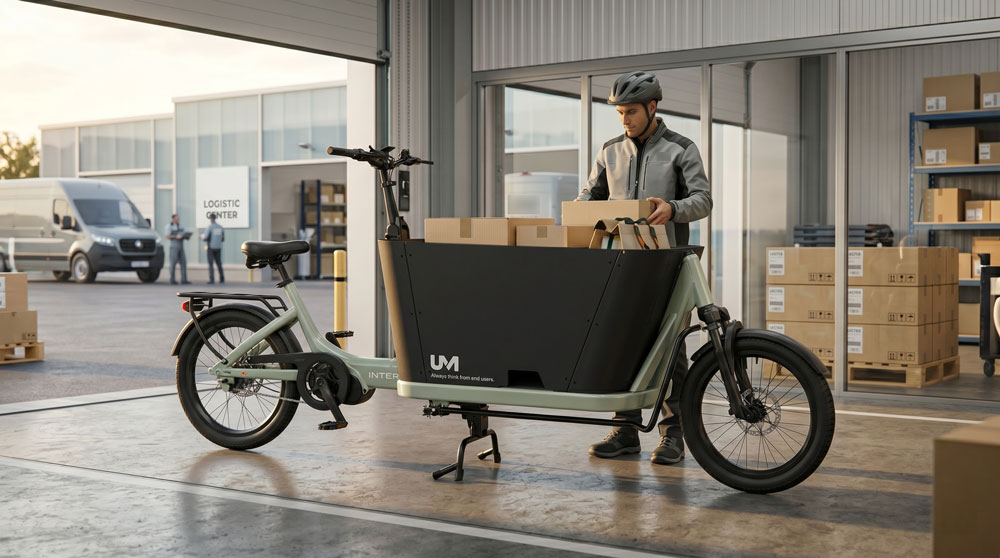
W przypadku operatorów flot eksploatujących 5–15 jednostek na miejskich trasach ostatniej mili, próg rentowności w porównaniu z furgonetkami mieści się zazwyczaj w przedziale 18–30 miesięcy, w zależności od wykorzystania dotacji, gęstości tras i profilu ładunku.
Jednym z czynników często niedocenianych w kalkulacjach całkowitego kosztu posiadania (TCO) jest żywotność akumulatora i koszt jego wymiany. Zespoły ds. zakupów oceniające komercyjne elektryczne rowery cargo powinny potwierdzić zgodność specyfikacji akumulatora z normą EN 50604-1, zażądać udokumentowanych danych dotyczących żywotności (400–600 pełnych cykli to podstawowy wymóg dla wysokiej jakości ogniw litowych) oraz upewnić się, że pakiety zamienne są dostępne niezależnie od pierwotnego dostawcy.
Czego wymagać od komercyjnego roweru elektrycznego cargo przed zakupem lub zakupem
Komercyjny rynek rowerów cargo z napędem elektrycznym w Europie obejmuje szeroką gamę produktów o bardzo zróżnicowanym poziomie jakości i zgodności. Minimalne wymagania dotyczące zakupu floty powinny obejmować:
Certyfikacja CE jako niepodlegająca negocjacjom podstawa. Ten odpowiednie normy dla komercyjnych rowerów elektrycznych cargo Normy te to EN 15194 (europejska dyrektywa dotycząca rowerów elektrycznych), EN 17860 (bezpieczeństwo konstrukcyjne rowerów cargo) oraz EN 50604-1 (systemy akumulatorów). Nie są one opcjonalne w przypadku legalnego stosowania na drogach europejskich. Poproś dostawców o dostarczenie certyfikatów, a nie tylko oświadczeń, i sprawdź, czy certyfikat obejmuje konkretną konfigurację, którą zamawiasz — pojemność akumulatora, moc silnika i masa ładunku wpływają na klasyfikację zgodności.
Ocena ładowności dostosowana do rzeczywistego przypadku użycia. Standardowe rowery cargo o przeznaczeniu komercyjnym mają zazwyczaj ładowność od 80 kg do 250 kg (kierowca + ładunek). Jeśli Twój przypadek użycia obejmuje ciężkie towary, przesyłki przemysłowe lub dostawę artykułów spożywczych z wieloma skrzynkami, sprawdź ładowność, a nie wartość podaną w reklamie.
Modułowe systemy ładunkowe. Jedną z najważniejszych różnic operacyjnych między rowerem cargo dla klientów indywidualnych a platformą komercyjną jest to, czy moduł cargo – przedni bagażnik, tylny bagażnik, panele boczne, system blokowania – można konfigurować i wymieniać niezależnie od ramy. W przypadku operatorów flot obsługujących wiele zastosowań z tej samej puli pojazdów, modułowość znacząco obniża całkowity koszt jednostkowy.
Możliwość serwisowania i dostępu do części zamiennych. Poproś o zestawienie materiałów eksploatacyjnych (klocki hamulcowe, linki, opony, łożyska) i sprawdź, czy są one zastrzeżone, czy pochodzą ze standardowej dostawy. Marki, których komponenty są zgodne z ofertą głównych dostawców, takich jak Shimano, Bosch czy uznanych producentów silników, są znacznie łatwiejsze i tańsze w utrzymaniu w skali floty.
Gotowość telematyki floty. Operatorzy flot komercyjnych coraz częściej wymagają śledzenia GPS, zdalnej diagnostyki i raportowania użytkowania. Sprawdź, czy architektura elektroniczna motocykla obsługuje te integracje, a także czy można zamontować urządzenie innej firmy bez utraty certyfikatu.
UM Frontier: modułowa platforma stworzona do zastosowań komercyjnych
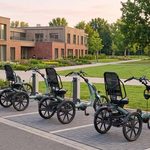
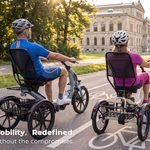
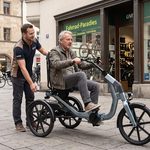
Jednym z produktów, który spełnia jednocześnie kilka z tych kryteriów zamówień publicznych, jest Rower cargo modułowy UM Frontier od United Mobility.
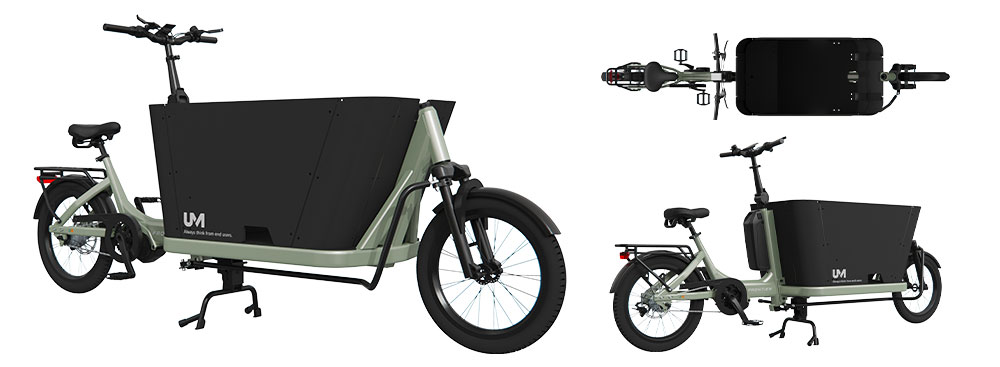
Frontier to komercyjny rower cargo w formacie long-john, zbudowany w oparciu o modułowy system załadunku: przednie skrzynie ładunkowe, bagażniki i wsporniki ładunku można konfigurować lub wymieniać niezależnie od ramy bazowej, co pozwala na wykorzystanie jednej platformy do obsługi tras kurierskich, magazynów i zastosowań we współdzielonej flocie bez konieczności modyfikacji układu napędowego lub konstrukcji ramy. To praktyczna odpowiedź na jedno z głównych wyzwań w zaopatrzeniu flotowym – fakt, że jeden operator często potrzebuje, aby jego flota pojazdów obsługiwała wiele zastosowań.
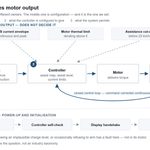
Środkowy układ napędowy roweru został zaprojektowany tak, aby zapewnić stałe wspomaganie przy obciążeniu i zmiennym nachyleniu, co ma duże znaczenie na trasach o mieszanym charakterze, miejsko-podmiejskim, gdzie płaska infrastruktura rowerowa ustępuje miejsca mostom, rampom i pochyłościom. Geometria ramy, rozstaw osi i kąt skrętu zostały udoskonalone w testach drogowych, aby zapewnić przewidywalne prowadzenie przy pełnym obciążeniu przedniego modułu – częstym punkcie awarii w konstrukcjach long john o niższej specyfikacji, gdzie obciążenie przed osią skrętu powoduje podsterowność i niestabilność.
Rama wykonana jest z aluminium klasy lotniczej, a większość komponentów mechanicznych – przeguby ramy, łożyska, tuleje – jest znormalizowana lub modułowa, co skraca czas serwisowania na miejscu. United Mobility wbudowało również w platformę interfejsy czujników i danych do śledzenia floty i integracji zdalnej diagnostyki, co pozycjonuje Frontier jako infrastrukturę, a nie tylko pojazd.
Wszystkie modele UM są opracowywane zgodnie z normami certyfikacji CE już na etapie projektowania — nie są modernizowane po produkcji. Odpowiednie certyfikaty (EN 17860, EN 15194, EN 50604-1) są traktowane jako wymogi inżynieryjne, a nie jako zadania dokumentacyjne.
Dla operatorów flot, którzy chcą zapoznać się z pełną ofertą rowerów cargo do celów komercyjnych i porównać konfiguracje platform, firma United Mobility katalog rowerów cargo elektrycznych obejmuje pełną gamę produktów, w tym opcje trójkołowe do zastosowań, w których stabilność ładunku jest najważniejszym wymogiem.
Opcja ODM: Jak europejscy dystrybutorzy wprowadzają na rynek linie komercyjnych rowerów elektrycznych cargo pod marką własną
Żaden z artykułów konkurencji w tej kategorii nie porusza kwestii, która ma największy wpływ na to, co sprzedają europejscy dystrybutorzy: partnerstwa produkcyjne ODM.
Komercyjne elektryczne rowery cargo, które europejscy dystrybutorzy i marki flotowe już sprzedają, są w wielu przypadkach produkowane przez partnerów ODM i wprowadzane na rynek pod marką własną. Dla dystrybutorów, którzy obecnie odsprzedają marki zewnętrzne – i chcą zachować swoją specyfikację produktu, strukturę marży i tożsamość marki – współpraca z producentem ODM z certyfikatem CE to strukturalnie inny model biznesowy niż dystrybucja.
United Mobility prowadzi pełną działalność program ODM rowerów cargo Zaprojektowany specjalnie dla marek rozwijających się na rynku europejskim. Program obejmuje niestandardową geometrię ramy i projekt modułu cargo, specyfikację komponentów (układ napędowy, pojemność akumulatora, układ napędowy, układ hamulcowy), integrację kolorów i brandingu oraz pełną certyfikację CE pod marką własną partnera. Dział badań i rozwoju stanowi 281 ton 3 ton całkowitej siły roboczej UM — niezwykle wysoki poziom, odzwierciedlający działalność produkcyjną zorientowaną na rozwój produktu, a nie na produkcję masową.
W praktyce oznacza to, że europejski dystrybutor rozważający tę opcję:
- Minimalne zamówienie i terminy realizacji:Projekty ODM w UM mogą zaczynać się od produkcji pilotażowej w małych partiach — odpowiedniej do testów rynkowych lub próbnych wdrożeń przed podjęciem decyzji o produkcji wielkoseryjnej — przy minimalnym zapotrzebowaniu na pełną produkcję negocjowanym na podstawie złożoności specyfikacji i pozyskiwania komponentów.
- Ochrona własności intelektualnejUM posiada zarejestrowane wzory przemysłowe w całym swoim portfolio. Dla partnerów ODM oznacza to jasność co do własności niestandardowych wzorów opracowanych wspólnie – co jest kluczowe dla dystrybutorów, którzy chcą uczestniczyć w przetargach publicznych lub bronić swojego produktu przed konkurencją kopiującą.
- Europejska infrastruktura logistycznaUM prowadzi spółkę zależną w Holandii oraz bazę magazynowo-montażową o powierzchni 6600 m² w Polsce, co umożliwia regionalne zarządzanie zapasami, serwis gwarancyjny i lokalne wsparcie posprzedażowe, bez konieczności przechowywania przez partnera dystrybucyjnego pełnych zapasów we własnych magazynach.
- Struktura gwarancjiStandardowa gwarancja UM obejmuje od 2 do 8 lat na każdy poziom podzespołu, co stanowi przewagę konkurencyjną dla dystrybutorów sprzedających pojazdom z sektora publicznego lub klientom korporacyjnym, którzy wymagają udokumentowanych zobowiązań serwisowych.
Dla dystrybutorów porównujących ODM z dalszą odsprzedażą uznanych marek, kluczowym pytaniem nie jest koszt jednostkowy, ale to, czy model biznesowy wymaga posiadania produktu, czy jedynie jego dystrybucji. Dystrybutorzy, którzy koncentrują się na przetargach na floty miejskie, korporacyjnych programach zrównoważonego rozwoju lub partnerstwach detalicznych typu white-label, przekonają się, że posiadanie specyfikacji, tak jak partner ODM, otwiera kategorie zamówień, z których wyłączni resellerzy są strukturalnie wykluczeni.
Wybór właściwej ścieżki zakupu komercyjnego roweru towarowego elektrycznego
Dla operatorów flot decyzja o zakupie sprowadza się do dopasowania specyfikacji platformy do realiów operacyjnych: ładunku, profilu trasy, infrastruktury usługowej i kwalifikowalności do dotacji na konkretnym rynku.
Dystrybutorzy zastanawiają się, czy rynek komercyjnych rowerów elektrycznych cargo na ich terenie najlepiej obsłuży odsprzedaż istniejącej marki, czy opracowanie produktu, którego są właścicielami. Obie opcje są uzasadnione. Jednak opcja ODM – całkowicie pomijana w większości branżowych publikacji – jest warta poważnej analizy dla każdego dystrybutora, którego strategia rozwoju opiera się na kontroli marży, zróżnicowaniu marki lub zdobywaniu kontraktów wymagających personalizacji produktu.
Poza zamówieniami: reszta decyzji
Sourcing to tylko jeden z etapów wdrażania komercyjnych rowerów cargo. Pozostałe etapy – wybór typu pojazdu, planowanie wdrożenia i bieżąca konserwacja – niosą ze sobą pewne nieoczywiste pułapki. Omówiliśmy je szczegółowo w powiązanej serii:
- Przewodnik filarowy Łączy w całość całą sekwencję decyzyjną: kontekst rynkowy, cztery typy pojazdów, całkowity koszt posiadania (TCO), zgodność z normą EN 17860 oraz miejsce, w którym znajduje się platforma UM. Zacznij tutaj, jeśli chcesz uzyskać pełny obraz.
- Wybór odpowiedniego typu roweru cargo do celów komercyjnych — w jaki sposób rowery trójkołowe typu Long John, longtail, trójkołowce z przednim ładowaniem i trójkołowce z tylnym ładowaniem odnoszą się do konkretnych zastosowań komercyjnych oraz w jaki sposób specyfikacja komercyjna tego samego podwozia różni się od specyfikacji rodzinnej w sposób, którego większość kupujących nie docenia.
- Wdrażanie floty rowerów cargo: co tak naprawdę dzieje się po dostarczeniu rowerów — wskaźniki awaryjności floty w pierwszym roku wynoszące 25–35 procent są powszechne i prawie żaden z nich nie ma związku z rowerem. Wiążą się one z projektem trasy, infrastrukturą mikrocentrów i decyzjami dotyczącymi szkolenia kolarzy podjętymi (lub pominiętymi) podczas wdrażania.
- Konserwacja rowerów cargo: dostępność, gwarancja i ważne decyzje serwisowe — Przeniesienie floty 10 motocykli z 85% do 95% pod kątem sprawności jest warte około 62 500 euro rocznie. Decyzje, które do tego doprowadzą, podejmuje się w dziale zaopatrzenia, a nie w warsztacie.
Wszystkie te pytania łącznie obejmują cztery pytania, na które musi odpowiedzieć każda flota komercyjna: jaki pojazd, jak go pozyskać, jak go wykorzystać i jak utrzymać go w ruchu.
Zjednoczona Mobilność oferuje obie ścieżki: gotowe platformy komercyjne za pośrednictwem asortyment produktów, i pełne wsparcie rozwoju ODM za pośrednictwem program produkcji rowerów cargo.
Dane rynkowe pochodzą z ZIV (Zweirad-Industrie-Verband). Informacje o dotacjach dla Niemiec są dostępne na stronie BAFA i do Holandii przez RVO.
 Polish
  English
  German
  Dutch
Dutch  Danish
  French
  Portuguese
  Spanish