Je hebt twee of drie fabrikanten van bakfietsen op je shortlist gezet en de offertes lijken op elkaar. Deze checklist is precies voor dat moment: zeven controles in de toeleveringsketen die fabrikanten die op tijd leveren onderscheiden van fabrikanten die het hoogseizoen missen. Elke controle bevat de specifieke vraag die je moet stellen en het document dat je moet opvragen. Ben je nieuw in de wereld van inkoop? Begin dan met onze gids voor starters op de woningmarkt in plaats van.
De afgelopen jaren hebben veel merken van bakfietsen een harde les geleerd: het verkopen van fietsen is makkelijker dan het onderhouden ervan. Van vertraagde levering van reserveonderdelen tot onbruikbare, gepatenteerde systemen: zwakke plekken in de toeleveringsketen vormen nu een van de grootste risico's voor de bakfiets- en e-bike-industrie.
Op Reddit, Facebookgroepen en brancheforums stellen productmanagers, CEO's, dealers en zelfs fabrieksvertegenwoordigers dezelfde vragen – vaak na een terugroepactie, een vertraging of een verlies aan klantvertrouwen.
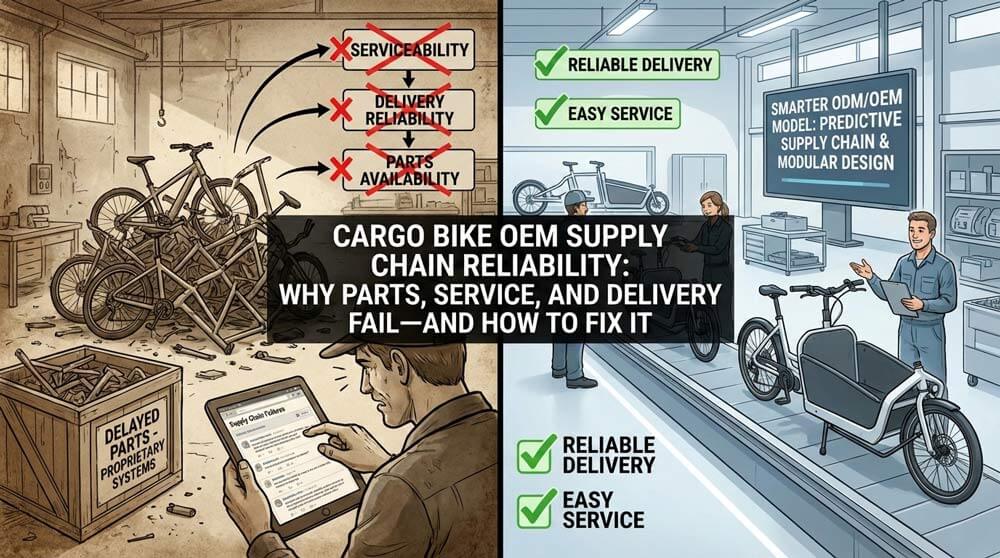
Dit artikel richt zich op één concreet probleem:
Waarom de beschikbaarheid van onderdelen, de onderhoudbaarheid en de leveringsbetrouwbaarheid tekortschieten – en hoe een slimmer ODM/OEM-model voor bakfietsen dit voorkomt.
Waarom baart de betrouwbaarheid van de toeleveringsketen van bakfietsfabrikanten steeds meer zorgen voor merken in de EU?
Eigen systemen en kortetermijnbeslissingen op het gebied van inkoop leiden tot schade op de lange termijn.
Een van de meest voorkomende klachten van dealers en wagenparkbeheerders is simpel: “We kunnen geen onderdelen krijgen, en zelfs als dat wel lukt, wil geen enkele werkplaats de fiets repareren.”
In diverse discussies in AMA-stijl geven productmanagers van e-bikemerken die rechtstreeks aan de consument verkopen toe dat:
Motoren en accu's zijn gekoppeld aan eigen systemen.
Diagnostische hulpmiddelen zijn niet beschikbaar voor dealers.
Reparaties worden vervangen door complete vervangingen van de units.
Onafhankelijke fietsenwinkels weigeren service vanwege aansprakelijkheid en complexiteit.
Voor bakfietsen, met name de robuuste elektrische bakfietsen die voor bezorging worden gebruikt, is dit niet duurzaam.
Vanuit het perspectief van de OEM ontstaat dit probleem zelden bij de dealer. Het begint veel eerder, tijdens:
Componentselectie
Firmware- en motorbeleidsbeslissingen
ODM-frame en systeemintegratie
Een professionele fabrikant van bakfietsen moet ontwerpen met het oog op reparatiegemak, niet alleen op snelle montage. Voor OEM-fabrikanten van bakfietsen voor Europese merken houdt dit het volgende in:
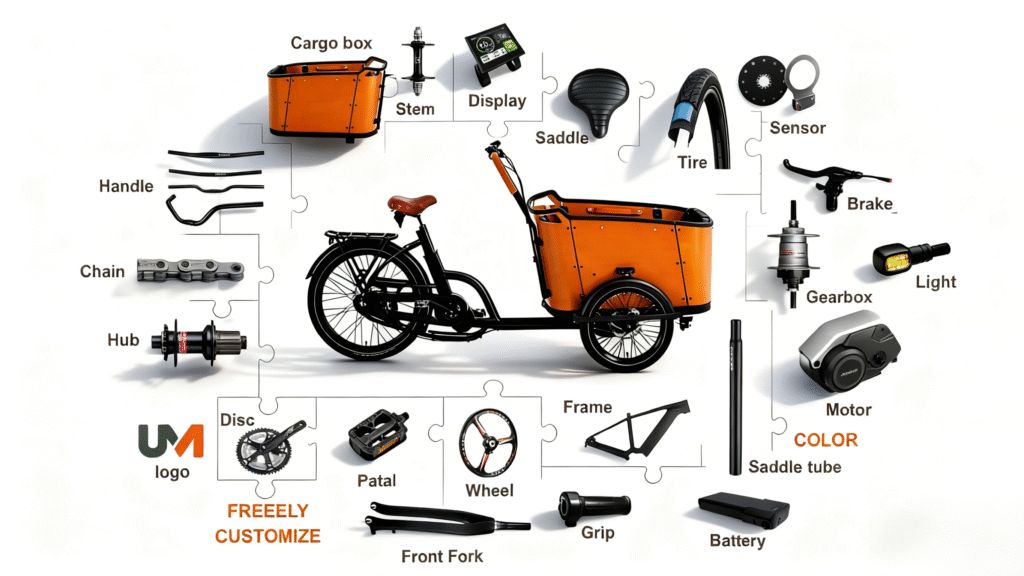
Niet-propriëtaire of semi-open componentenecosystemen
Motoren en accu's die voldoen aan EN 15194 en EN 50604-1.
Duidelijke vervangingslogica in plaats van "black box"-systemen.
Het negeren hiervan leidt rechtstreeks tot de serviceknelpunten die nu openlijk door dealers worden bekritiseerd.
Welke invloed hebben de ODM/OEM-keuzes voor bakfietsen op de beschikbaarheid van onderdelen en de after-sales service?
Tekortkomingen in de kwaliteitscontrole en veranderingen bij leveranciers blijven vaak onzichtbaar – totdat het te laat is.
Verschillende grootschalige terugroepacties van bakfietsen en e-bikes volgden een vergelijkbaar patroon:
Vervanging van leveranciers zonder volledige validatie
De vraag na COVID-19 is enorm gestegen en overstijgt de capaciteit van QC.
Inconsistente frame- of batterijbatches
Lange wachttijden voor vervangende apparaten of onderdelen.
Zelfs ervaren CEO's hebben in openbare reacties erkend dat aanpassingen door leveranciers – vaak onder druk doorgevoerd – de betrouwbaarheid stilletjes in gevaar kunnen brengen.
Voor bakfietsen is het effect nog groter:
Hogere belastingen belasten frames en remsystemen.
Bezorgfietsen worden dagelijks commercieel gebruikt.
Storingen treffen niet alleen de fietsers, maar ook bedrijven.
Dit is waar de ODM/OEM-structuur van bakfietsen van belang is. ODM gaat niet alleen over maatwerk, maar ook over... procescontrole.
Welke rol speelt de fabrikant van bakfietsen bij het voorkomen van kwaliteitsgebreken en terugroepacties?
Voorraadrisico en onzekerheid over de dienstverlening zijn belangrijker dan winstmarges.
Eigenaren van fietsenwinkels stellen vaak een lastige vraag: “Waarom zouden we een grote, trage bakfiets in ons assortiment opnemen die bovendien duur is in onderhoud?”
In tegenstelling tot standaard e-bikes, hebben bakfietsen de volgende kenmerken:
Neemt meer vloeroppervlak in beslag
Geschoold personeel vereist
Hogere arbeidskosten voor montage en reparatie.
Beweeg in kleinere volumes.
Bij groothandelsprogramma's voor bakfietsen zorgt dit voor wrijving tussen merken en dealers.
De oplossing is niet agressieve prijsstelling, maar OEM-ondersteuning:
Voorgemonteerde of CKD/SKD-opties, afgestemd op de capaciteit van de dealer.
Gestandaardiseerde onderdelen die in alle modellen worden gebruikt.
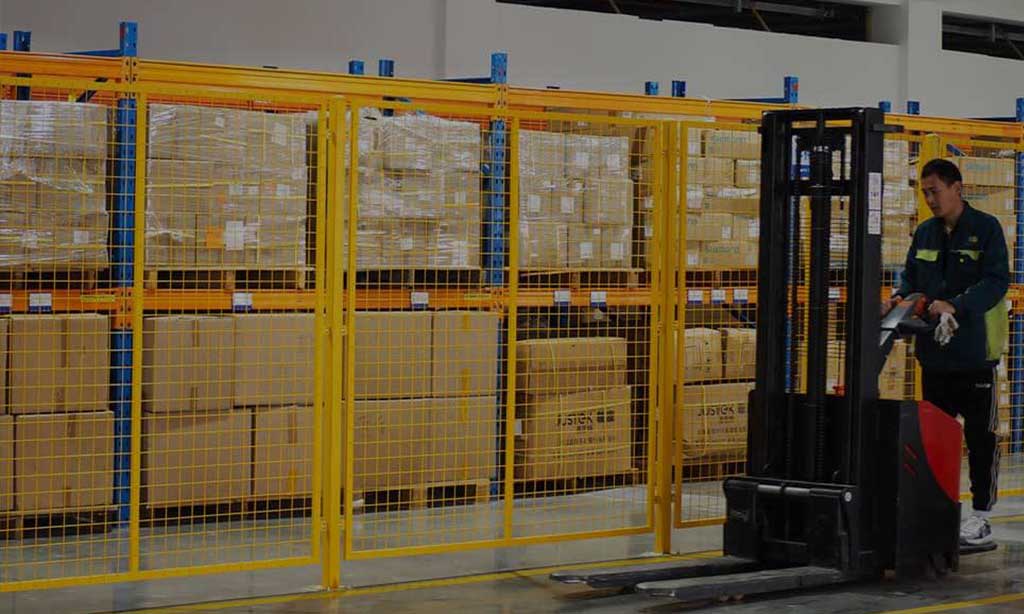
Duidelijke levertijden en prognoses voor reserveonderdelen
Documentatie die de servicetijd verkort.
Voor het gebruik van bakfietsen voor zakelijke doeleinden of bezorging is dit nog belangrijker, omdat stilstand direct van invloed is op de omzet.
OEM's die actief rekening houden met de logistiek van dealers bij hun ontwerpen, verkrijgen stabiliteit in de distributie op de lange termijn.
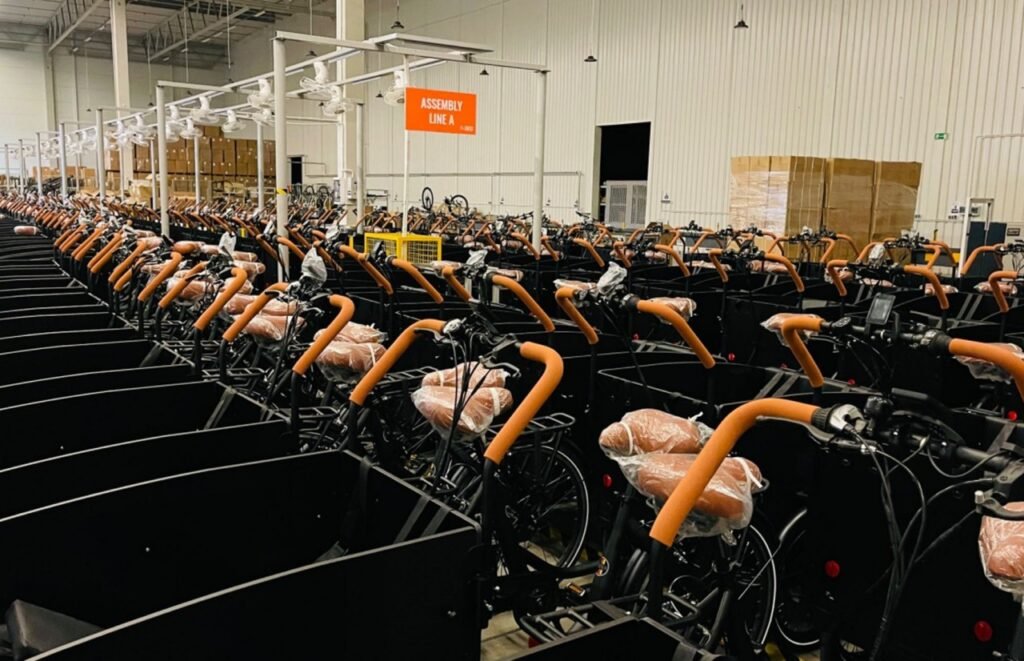
Kunnen samenwerkingsverbanden voor de assemblage van bakfietsen in de EU de stabiliteit van de toeleveringsketen verbeteren?
Gedistribueerde assemblage verbetert de veerkracht, niet alleen de merkbekendheid.
Er wordt vaak gediscussieerd over de vraag of "lokale vergadering" werkelijk waarde toevoegt, of dat het slechts een marketingtruc is.
In de praktijk kunnen EU-gebaseerde samenwerkingsverbanden voor de assemblage van bakfietsen, mits correct uitgevoerd, het volgende opleveren:
Verkort de levertijden voor vervanging van onderdelen.
Maak snellere feedbackloops over de kwaliteit mogelijk.
Verbeter de naleving van regionale regelgeving.
Verminder vertragingen in de scheepvaart tijdens verstoringen.
Voor een bakfiets met laadklep aan de voorkant., longtail bakfiets, Naast de platforms voor bakfietsen met lange onderbroek, biedt lokale montage ook de volgende mogelijkheden:
Marktspecifieke configuratie
Snellere iteratie op basis van feedback van dealers
Betere afstemming op lokale rijgewoonten
Integratie is de sleutel. Assemblagepartners moeten bij het ODM-proces betrokken zijn en niet achteraf worden toegevoegd.
Waarom aarzelen dealers om zich te binden aan groothandelsprogramma's voor bakfietsen?
Storingen in de toeleveringsketen van de bakfietsenindustrie worden zelden veroorzaakt door één enkele verstoring. Ze zijn het gevolg van... vroege ontwerp- en inkoopbeslissingen die geen rekening houden met onderhoud op lange termijn, de realiteit voor dealers en het daadwerkelijke gebruik.
Voor inkoopmanagers, CEO's en fabriekspartners is de les duidelijk:
OEM is meer dan alleen productie.
ODM is meer dan alleen maatwerk.
Betrouwbaarheid wordt ontworpen, niet gecontroleerd.
Betrouwbare OEM-partners garanderen een constante kwaliteitscontrole en een betrouwbare levering van reserveonderdelen, waardoor dealers zich kunnen richten op verkoop en ondersteuning in plaats van zich zorgen te hoeven maken over onvoorspelbare leveringstekorten. 1

 Dutch
Dutch  English
  German
  Danish
  French
  Polish
  Portuguese
  Spanish