Este artículo describe el proceso de desarrollo ODM paso a paso, con duraciones realistas: briefing de diseño y viabilidad, creación de prototipos, utillaje, pruebas de certificación EN 15194 y producción piloto. Está dirigido a compradores que ya han optado por la vía ODM; si aún está comparando ODM con OEM, lea la comparación de costos primero.
¿Qué es un proceso ODM para bicicletas de carga?
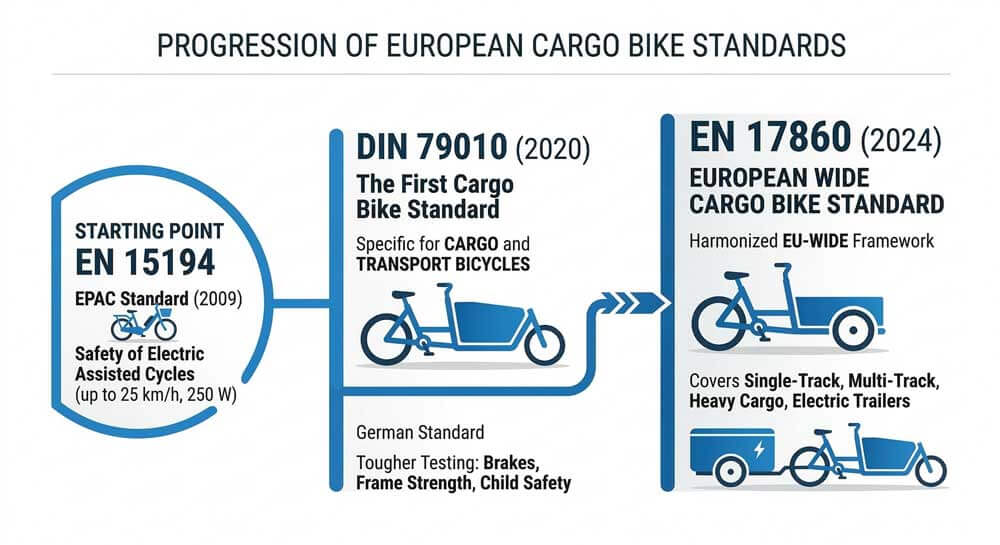
El proceso ODM (Fabricante de Diseño Original) para bicicletas de carga es un programa de desarrollo estructurado y por etapas en el que un fabricante diseña, desarrolla, certifica y produce una bicicleta eléctrica de carga personalizada en nombre de una marca privada. A diferencia del simple desarrollo de marca OEM, un acuerdo ODM completo abarca la definición de los requisitos del producto, el diseño industrial, la simulación CAE, la validación de prototipos EVT/DVT, la certificación europea (EN 15194 / EN 17860), la introducción de nuevos productos (NPI) y la producción en masa escalable, conservando la marca la propiedad de la propiedad intelectual, las herramientas y los activos de certificación.
Para las marcas europeas que ingresen al mercado de bicicletas eléctricas de carga en 2026, la distinción importa comercialmente. El mercado europeo de bicicletas eléctricas de carga se estima en 1.210 millones de dólares en 2026 y se prevé que alcance 1.460 millones de dólares para 2031 (Inteligencia de MordorLas marcas que controlan su producción ODM (diseño, moldes y certificados) tienen una ventaja estructural sobre aquellas que alquilan una plataforma a una fábrica.
¿OEM u ODM? Elija su programa antes de que comience la ingeniería.
Muchos proveedores comercializan el servicio “ODM” mientras ofrecen una plataforma existente con una marca diferente. Antes de comprometer el presupuesto, confirme tres cosas con cualquier socio potencial:
¿La arquitectura del marco es realmente nueva o se trata de una plataforma existente con cambios en el logotipo?
¿Los informes de ensayo EN 17860 se derivan de la geometría y la capacidad de carga propuestas exactamente?
¿La propiedad de las herramientas es transferible contractualmente si se cambia de fábrica?
En Movilidad Unida, se ofrecen ambas pistas: una programa OEM basado en plataforma (más rápido, menor costo inicial) y un Programa ODM completo (estructura, módulo de carga y arquitectura eléctrica a medida). La elección correcta depende de la lista de materiales objetivo, la previsión de volumen anual y la clasificación normativa: EPAC (≤250 W, ≤25 km/h), Speed Pedelec (≤500 W, ≤45 km/h) o categoría L.
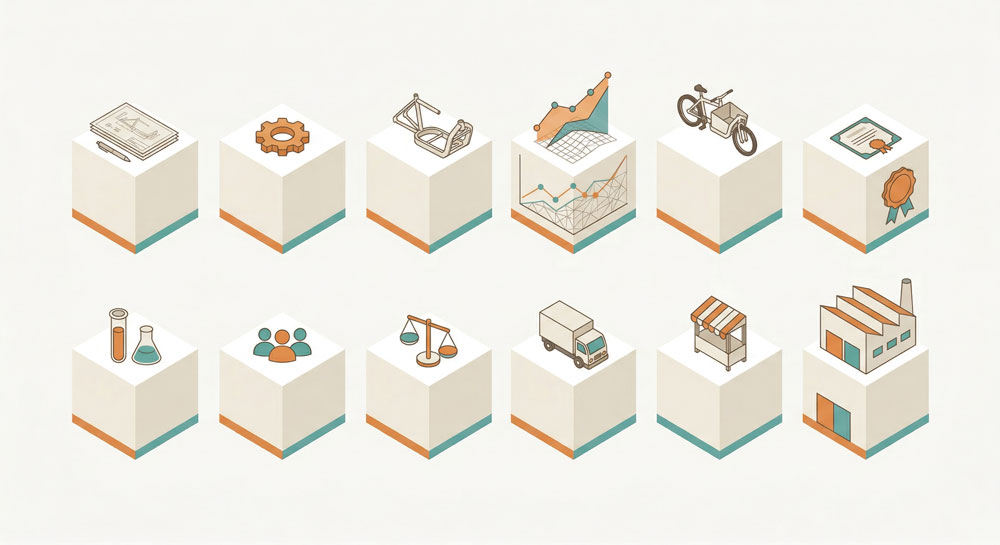
El proceso de desarrollo ODM de bicicletas de carga en 12 pasos de United Mobility
Paso 1: Definición de los requisitos del producto
Cada programa comienza con un PRD (Documento de Requisitos del Producto) formal. Esto define los límites de personalización en:
Apariencia: color del marco, tratamiento de la superficie, identidad visual de la caja de carga
Componentes personalizados: sistema de motor, batería/BMS, transmisión, frenado, hardware de IoT
Módulos estructurales: Interfaces para cajas de carga, soluciones para asientos infantiles o de pasajeros.
Estrategia de repuestos: consumibles de alta rotación, kits de servicio, disponibilidad a largo plazo
Puerta: Congelación del alcance de la personalización. Cualquier riesgo de viabilidad detectado por el equipo de ingeniería se documenta aquí, no se descubre durante el proceso de fabricación de las herramientas.
Paso 2: Evaluación de la viabilidad técnica y de mercado
Se define la arquitectura del sistema: topología del tren motriz, arquitectura eléctrica, lista de proveedores clave y ruta de certificación para el mercado europeo. El resultado es una hoja de ruta de certificación que especifica si los informes de laboratorio existentes pueden ampliarse o si se requiere un nuevo programa de pruebas.
Nota sobre riesgos que la mayoría de los competidores omiten: Reutilización de las instalaciones existentes de una fábrica Certificado EN 15194 o EN 17860 Es una táctica para ahorrar tiempo con un grave riesgo comercial. Si la geometría del cuadro, la capacidad de carga o la configuración de la batería difieren de la unidad certificada, el certificado no cubre su producto y usted asume la responsabilidad.
Paso 3: Desarrollo del concepto y confirmación del presupuesto.
Se entregan los conceptos de diseño industrial, el diseño del embalaje, la lista de materiales preliminar, el desglose de los costes de las herramientas y un cronograma del proyecto. La propiedad de las herramientas y el precio unitario futuro deben fijarse contractualmente en esta etapa. — no se renegocia una vez que se cortan los moldes.
Paso 4: Diseño industrial y diseño estructural
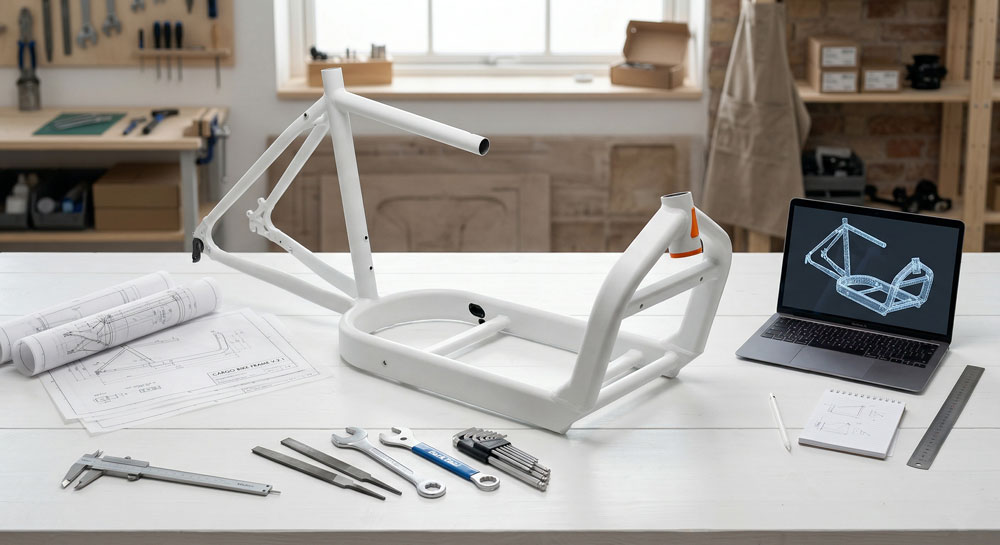
Comienza el desarrollo CAD completo: refinamiento del diseño industrial, modelos 3D del bastidor y la estructura de carga, planos de fabricación 2D y documentos de control de interfaz. equipo de diseño interno Es propietaria de este producto y lo transfiere a la marca, no a la planta de producción.
Puerta: Diseño congelado. Todas las definiciones de interfaz son propiedad intelectual de la marca.
Paso 5: CAE y simulación estructural
Antes de cortar cualquier material, se realizan simulaciones de fatiga del bastidor, de carga del módulo y análisis de refuerzo local. Los informes CAE impulsan las acciones de mejora del diseño; si bien no sustituyen las pruebas de certificación físicas, reducen la cantidad de costosos ciclos de modificación de prototipos.
Paso 6: Construcción del prototipo EVT (Prueba de verificación de ingeniería)
El primer prototipo físico valida el ajuste mecánico, la integración eléctrica, el empaquetado y el enrutamiento del cableado. Se emite un informe de construcción de EVT y una lista de problemas y acciones a seguir. Los costos de modificación y los plazos para el ciclo de cambios se acuerdan contractualmente de antemano, un aspecto que diferencia a los socios ODM estructurados de los proveedores ad hoc.
Paso 7: Pruebas de componentes y herramientas para la creación de prototipos
Los componentes y subsistemas clave se prueban en paralelo con el desarrollo de herramientas de software y herramientas piloto. Esta fase detecta fallos a nivel de componentes antes de las pruebas de validación de diseño (DVT), lo que reduce el tiempo total de desarrollo.
Paso 8: Construcción del prototipo DVT (Prueba de verificación del diseño)
Las pruebas de validación de diseño (DVT) confirman la durabilidad estructural, la repetibilidad del ensamblaje y la acumulación de tolerancias. Los datos de confiabilidad y una lista de problemas sin resolver guían la iteración final del diseño antes de la certificación.
Puerta: Aprobación de la verificación del diseño.
Paso 9: Validación del sistema y certificación europea.
Este es el punto de acceso crítico al mercado. Los estándares típicos para los programas europeos de bicicletas eléctricas de carga incluyen:
Estándar
Alcance
EN 15194:2017+A1:2020
Seguridad eléctrica y funcional de EPAC
EN 17860 (Partes 1–7)
Requisitos estructurales y de seguridad para bicicletas de carga
EN 50604-1
Seguridad de la batería
ECE R10 / CISPR 25
Cumplimiento de la compatibilidad electromagnética (CEM)
Pruebas de laboratorio TÜV / SGS
Validación estructural por terceros
La titularidad del certificado no es negociable. Si la fábrica posee el certificado, no se puede cambiar de planta de fabricación sin volver a realizar las pruebas, un proceso que puede durar entre 8 y 16 semanas y costar entre 15.000 y 40.000 euros por norma.
La NPI traduce el diseño certificado en un sistema de producción repetible: diseño de la línea, instrucciones de trabajo, plan de control y análisis AMFE del proceso. En esta fase, la calidad se integra en el diseño del proceso, no se inspecciona al final.
Paso 11 — Producción piloto (PP)
Una prueba piloto valida el rendimiento, el tiempo de ciclo, el empaquetado y la logística. Las acciones correctivas derivadas de la prueba piloto se implementan antes de otorgar la aprobación para la producción en masa.
Paso 12 — Producción en masa (PM)
Producción en serie estable con gestión activa de la consistencia de la calidad, control de cambios de ingeniería, continuidad del suministro y suministro de piezas de repuesto.
No nos limitaremos a “nosotros lo diseñamos, ustedes le ponen la marca”. La mayoría de los fabricantes de bicicletas de carga no hablan de los tres riesgos de propiedad que determinan si su marca tiene una verdadera independencia en la cadena de suministro:
1. Riesgo de propiedad de la interfaz
Si los modelos 3D, los planos de fabricación y los documentos de control de interfaz permanecen en el servidor de la fábrica, cambiar de proveedor requiere un rediseño completo, que suele durar entre 6 y 12 meses y supone un coste de reingeniería de entre 50.000 y 150.000 euros. United Mobility transfiere todos los archivos de diseño a la marca una vez finalizado el diseño.
2. Riesgo de propiedad de las herramientas
Los moldes para bastidores y los accesorios para cajas de carga pueden representar entre 20 000 € y 80 000 € de inversión irrecuperable. Si las herramientas no son de propiedad contractual ni transferibles físicamente, la fábrica controla su capacidad de negociación para realizar nuevos pedidos. Todos los contratos de ODM de United Mobility especifican la propiedad de los moldes y las condiciones de transferencia antes de que comience la fabricación de las herramientas.
3. Riesgo de control de la certificación
Los certificados vinculados a una única planta de fabricación o fábrica generan fragilidad regulatoria. Si esa fábrica pierde la acreditación, se somete a una auditoría de cumplimiento o cierra una línea de producción, el acceso de su producto al mercado queda suspendido. La estrategia de certificación de United Mobility garantiza que los informes de pruebas cubran las especificaciones del producto de la marca, no una variante de fábrica.
Ventajas estructurales de United Mobility en la fabricación ODM de bicicletas de carga
Con Casi 20 años de experiencia en la fabricación de bicicletas eléctricas. Gracias a su producción interna de bastidores, moldes y tubos, United Mobility ofrece una cadena de suministro ODM integrada verticalmente que la mayoría de sus competidores basados en plataformas no pueden replicar:
Producción interna de marcos y moldes — Control total de la geometría, sin dependencias de talleres de moldes de terceros.
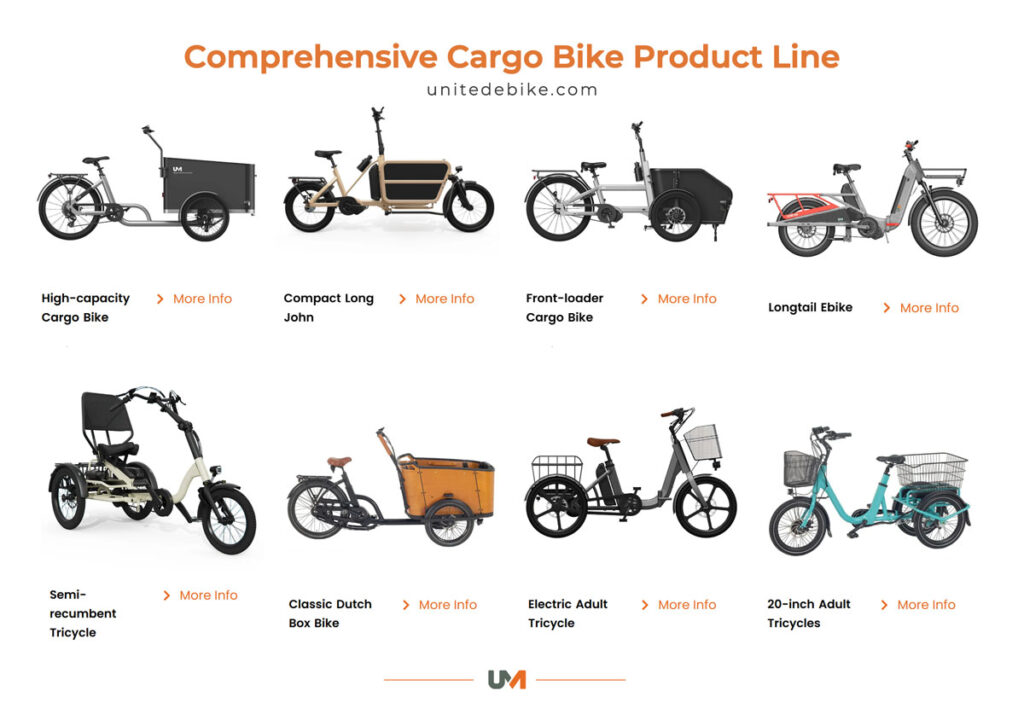
8 plataformas de bicicletas de carga validadas (long john, longtail, trike, plegable compacto) disponibles como arquitecturas base ODM, reduciendo el tiempo de desarrollo en 30–40% en comparación con el diseño desde cero.
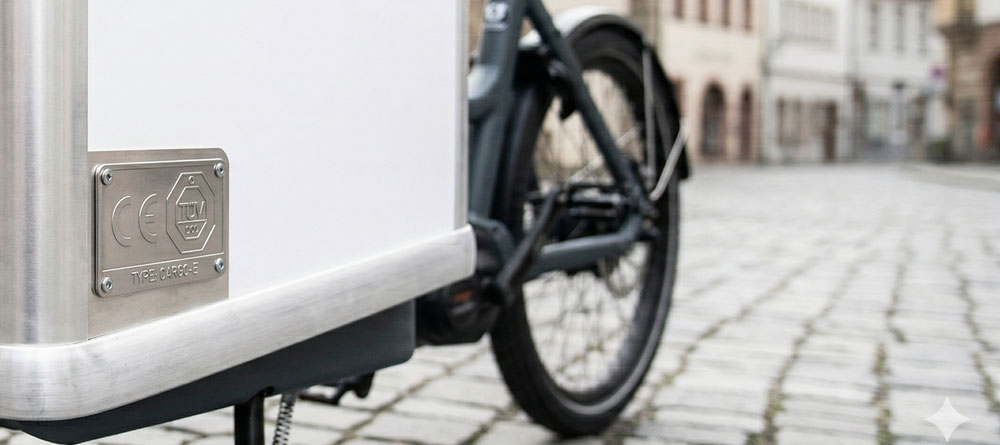
EN 15194, EN 17860, CE, TÜV, Marca E Certificado en toda la gama actual, con planes de certificación para las variantes específicas de cada marca.
Cronograma del proyecto ODM: 8-12 semanas (personalización de componentes) a 20–28 semanas (completamente nuevo) desarrollo del marco), dependiendo del alcance del programa
Tiempo de respuesta promedio: 3 horas — Consultas técnicas y comerciales resueltas en el mismo día hábil.
Garantía: 2–8 años en componentes principales (motor, batería), reduciendo el riesgo posventa de la marca
📌 Contáctanos para comenzar tu proyecto ODM ahora:Contáctanos
Aplicación práctica: Personalización de la flota de limpieza municipal
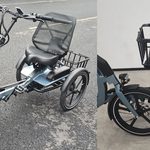
Un ejemplo de la cartera de entregas de United Mobility: una autoridad de limpieza de la ciudad requirió un bicicleta de carga de tres ruedas equipado con contenedores de basura, soportes para herramientas y un área de carga de plataforma baja reforzada, adaptada de la Plataforma UM Starter. El alcance de la personalización incluyó el diseño de soportes estructurales, la modificación de módulos de carga y la especificación de colores personalizados. El programa pasó de PRD a producción piloto en menos de 14 semanas, con el final Informe de ensayo estructural EN 17860 Actualizado para reflejar la geometría de carga modificada.
Este tipo de programa —en el que una plataforma existente se modifica estructuralmente, se adapta y se vuelve a certificar para un caso de uso específico— representa un punto intermedio práctico entre la mera fabricación OEM y el desarrollo ODM desde cero. Ofrece diferenciación de marca sin el plazo de más de 24 semanas que requiere un programa de desarrollo de una nueva plataforma.
Inicie su programa ODM para bicicletas de carga.
El equipo ODM de bicicletas de carga de United Mobility responde en 3 horas Para nuevas consultas. Las consultas iniciales abarcan el alcance del programa, la ruta de certificación, la selección de la plataforma y un rango de costos preliminar de la lista de materiales (BOM); no se requiere ningún compromiso.
O explore la gama actual de productos de bicicletas de carga de United Mobility para identificar la plataforma que mejor se ajuste a su mercado objetivo antes de enviar un correo electrónico a [email protected]:



 Spanish
  English
  German
  Dutch
Dutch  Danish
  French
  Polish
  Portuguese