
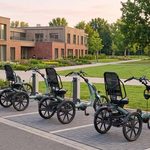
Elektryczny trójkołowiec dla seniorów w Danii kryje w sobie paradoks, na który dystrybutor powinien zwrócić szczególną uwagę. To drugi na świecie kraj pod względem liczby rowerzystów — 15% wszystkich podróży w Danii odbywa się na rowerze, a jazda na rowerze do sklepów to najpopularniejsza forma codziennej aktywności fizycznej w kraju. Mimo to tylko około połowa Duńczyków powyżej 65. roku życia nadal posiada rower, a gdy starszy rowerzysta korzysta z systemu publicznego w poszukiwaniu stabilnej alternatywy, gmina coraz częściej oferuje skuter inwalidzki zamiast trójkołowca. Najbardziej dumne z rowerowego stylu państwo opiekuńcze w Europie w efekcie zbudowało system, który wysyła swoich rowerzystów na emeryturę – i rynek detaliczny dla każdego, kto nie chce przejść na emeryturę.
W tym artykule mapujemy ten rynek: dane, mechanizmy prawne i rejestr kulturowy, którego marka potrzebuje, aby się na nim sprzedać. Aby dowiedzieć się, jak duński rynek handlu detalicznego w modelu „design” wypada na tle czterech krajów sąsiednich, zapoznaj się z naszą ofertą. Mapa europejskiego rynku starszych trójkołowców elektrycznych.
Trzy wnioski na początek:
- Spadek jest rynkiem. Duńczycy jeżdżą na rowerze, aby załatwić sprawy, zachować tożsamość i vind i håret — wiatr we włosach — wkraczamy w dorosłe życie, a potem gwałtownie spadamy: liczba posiadaczy rowerów spada o połowę po 65. roku życia. Nic w duńskich pragnieniach nie zmienia się w dniu urodzin; zmienia się jedynie format pojazdu.
- System publiczny jest strukturalnie nieprzychylny trójkołowcom. Duńskie orzecznictwo klasyfikuje rowery do trzech kategorii prawnych – a sposób, w jaki kommuner stosuje zasadę “najtańszego i odpowiedniego rozwiązania”, oznacza, że przyznawanym pojazdem jest coraz częściej skuter inwalidzki. Popyt na handel detaliczny powinien być ukierunkowany, a nie przypadkowy.
- Dania jest mała, ale to właściwy rodzaj małej. 5,9 miliona ludzi, wysoka siła nabywcza, brak zniekształcających ceny subsydiów, nabywca znający się na designie i niewielki zasięg dotychczasowych dostawców: rynek, na którym skoncentrowany dystrybutor może faktycznie przewodzić, a nie tylko na który może wejść.
Dlaczego starsi Duńczycy przestają jeździć na rowerze? Dane mówią: nie chcą
Zacznijmy od tego, jak głęboko sięga tu kolarstwo. Poza słynnymi liczbami dojeżdżających do pracy, najpowszechniejszą formą codziennego przemieszczania się w Danii wcale nie jest sport – to jazda na rowerze do sklepów i do ludzi, praktykowana co tydzień przez około czterech na dziesięciu Duńczyków powyżej 15. roku życia. Ponad 801 TP3T dorosłych Duńczyków ma codzienny dostęp do roweru. Fala rowerów elektrycznych dotarła na sam szczyt: import przekracza 100 000 sztuk rocznie, z czego wiele jeździ grupa 55+, zwiększając ich zasięg i łagodząc przeciwne wiatry.
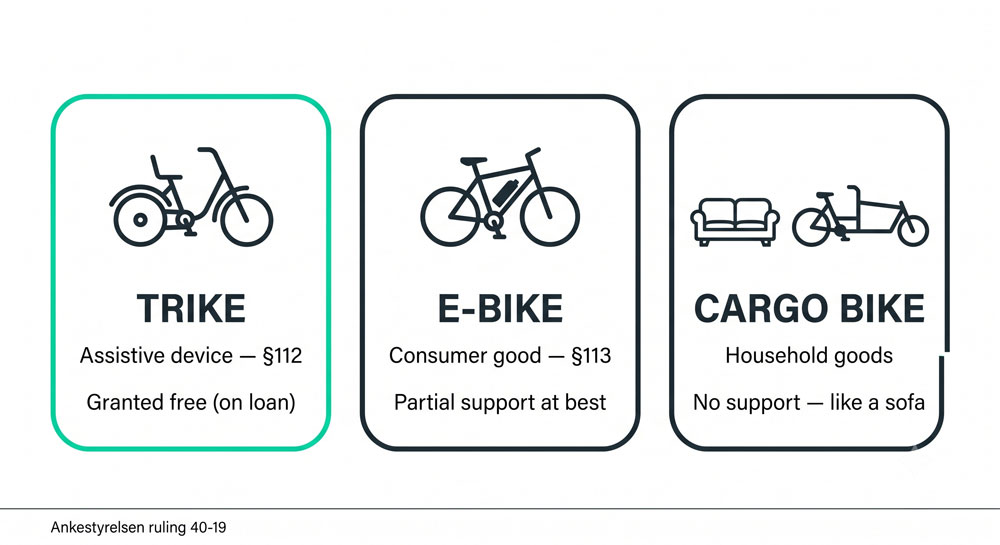
A potem spójrz na klif. Całkowita liczba rowerów w posiadaniu Duńczyków spada od dekady – z 77% do 68% – ale po 65. roku życia spada do mniej więcej co drugiej osoby. Przeczytaj obok krajowych badań dotyczących podróży, które pokazują, że spadek popularności jazdy na rowerze koncentruje się wśród… młody, Obraz ten obala wszelkie leniwe założenia: starsi Duńczycy należą do najwierniejszych rowerzystów w kraju, dopóki pojazd nie przestanie pasować do rowerzysty. Dwa koła wymagają pewności siebie, która maleje z wiekiem; duńskie zimy i przewożenie ładunków pogarszają sytuację. Pragnienie przetrwa. Format zawodzi.
Ta luka — między tożsamością rowerzysty, która nie odchodzi na emeryturę, a pojazdem, który wymusza przejście na emeryturę — stanowi cały dostępny rynek, a w Danii jest ona niezwykle widoczna, ponieważ kultura ta sprawia, że ludzie jeżdżą na rowerze aż do granic możliwości.
Czy można przewieźć trójkołowiec elektryczny przez gminę? Trzy legalne skrzynki, jedna cicha stronniczość
Odpowiedź Danii jest oczywista serviceloven, Ustawa o usługach społecznych, którą każdy podmiot wchodzący na rynek powinien dokładnie zrozumieć — ponieważ to logika tego systemu stwarza możliwości w handlu detalicznym.
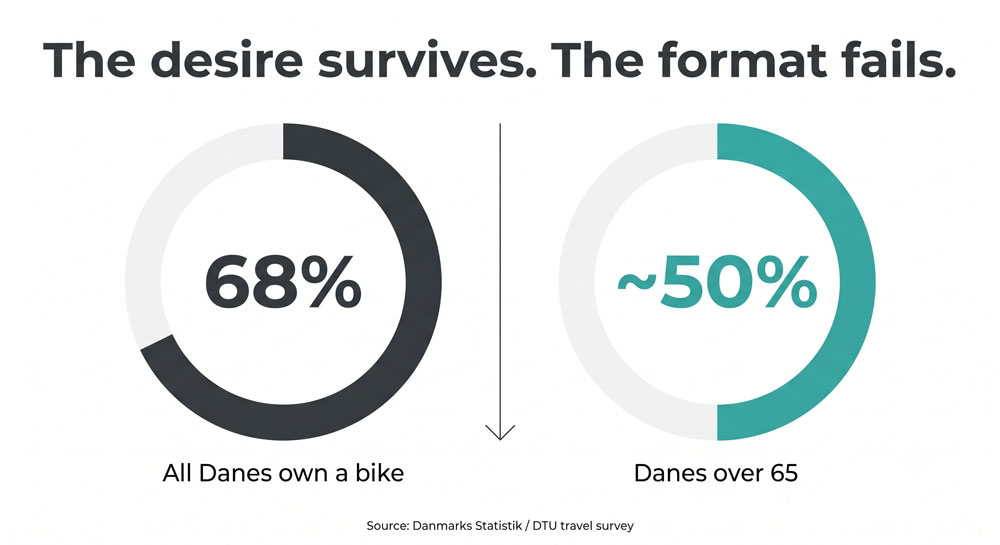
Krajowa rada odwoławcza podzieliła cykle na trzy kategorie prawne, a wszystko zależy od tego, w którym pudełku wyląduje produkt:
- Rower trójkołowy (trehjulet cykel) z silnikiem lub bez to hjælpemiddel — urządzenie wspomagające na podstawie § 112. Obywatelowi z trwale ograniczoną zdolnością do funkcjonowania można przyznać jedno darmo.
- Zwykły dwukołowy rower elektryczny to forbrugsgode — dobro konsumpcyjne w rozumieniu § 113, w przypadku którego wsparcie jest w najlepszym razie częściowe.
- Rower towarowy (ladcykel) z lub bez wspomagania elektrycznego to sædvanligt indbo — zwykłe domowe sprzęty, jak sofa. Bez żadnego wsparcia.
Jak dotąd, hojnie — darmowy trójkołowiec dla tych, którzy się kwalifikują. Teraz drobny druk, który zmienia obraz komercyjny. Dotacja na podstawie §112 to pożyczka:Gmina jest właścicielem pojazdu. Wnioskodawca musi wykazać trwałe ograniczenie sprawności – fakt, że jest starszym kierowcą, który stracił równowagę, sam w sobie nie stanowi takiego przypadku. Obowiązkiem prawnym gminy jest jedynie zapewnienie najtańsze odpowiednie rozwiązanie (bedst egnede og billigste). W codziennej praktyce doktryna ta przyjęła pewien kierunek: tam, gdzie kiedyś można było przyznać trójkołowiec, oferta jest coraz bardziej skuter elektryczny — w języku duńskim skuter inwalidzki — ponieważ jest tańszy dla gminy i teoretycznie zaspokaja jej potrzebę mobilności.
Na papierze. Hulajnoga elektryczna nie spełnia tego, o co wnioskodawca faktycznie prosił: możliwości pedałowania. W rezultacie powstał system, w którym aktywny użytkownik w wieku 65–78 lat – osoba, dla której ta kategoria istnieje – jest albo odrzucana, albo oferuje się mu pojazd, który kończy jego jazdę na rowerze, albo standardowy model miejski, podczas gdy zależało mu na czymś, co z dumą zaparkowałby przed kawiarnią. Wszystkie trzy scenariusze kierują tego samego klienta w to samo miejsce: sklep rowerowy, płacący prywatnie, z pełnym duńskim podatkiem VAT. W Danii nie ma dopłat do zakupów ani ulg VAT; cena detaliczna jest ceną uczciwą, co jest zgodne z rynkiem, który nigdy nie ufał rabatom.
“Vind i håret”: rejestr, w który duński marketing musi trafić
Dania to miejsce, w którym powstał ruch Kolarstwo bez Wieku – kopenhaski ruch, którego credo, retten til vind i håret (prawo do wiatru we włosach) od tamtej pory obiegło cały świat. To hasło stanowi emocjonalne centrum tego rynku i każda marka, która na niego wchodzi, powinna potraktować tę lekcję poważnie: W Danii trójkołowiec nie jest sprzedawany jako rekompensata za to, co dana osoba straciła. Jest sprzedawany jako kontynuacja tego, kim jest.
Konkretnie rzecz biorąc, kształtuje to w równym stopniu tekst i produkt:
- Język stawiający na pierwszym miejscu osobę i jej możliwości. Duński dyskurs publiczny mówi o mennesker med nedsat funktionsevne — osoby o ograniczonej sprawności ruchowej — i tego, co urządzenie umożliwia, a nigdy tego, czego brakuje jego użytkownikowi. Marketing, który zaczyna się od kruchości, po prostu nie zostanie tu wybaczony.
- Projekt to zaufanie. Duńscy klienci odbierają minimalizm jako jakość, a wizualny szum jako wątpliwość. Zdemedykalizowany, miejski język projektowania rowerów nie jest preferowany na tym rynku, lecz stanowi standard kwalifikacyjny. Platforma półleżąca, taka jak UM Vita działa tutaj właśnie dlatego, że jego siedząca, schodkowa geometria rozwiązuje problem równowagi cicho, bez ogłaszania diagnozy.
- Hulajnoga elektryczna jest antymarką. Jak w rynek holenderski, najostrzejszym ustawieniem jest rozwidlenie drogi: pedałuj dalej albo się zatrzymaj. Duńska kultura już to zapisała – trójkołowiec to pojazd vind i håret; skuter jest pojazdem arkusza kalkulacyjnego gminy.
Duński skrót: co magazynować i jak to sprzedawać
Produkt. Komponenty przystosowane do zimy (uszczelniona instalacja elektryczna, odporność na korozję, opony na mokre brukowane drogi i błoto pośniegowe), hamulec postojowy zabezpieczający przed pochyłościami miast portowych oraz powierzchnia postojowa pasująca do duńskich ścieżek rowerowych i wiat na dziedzińcach. Pojemność bagażnika jest ważniejsza niż gdzie indziej — Duńczycy kupują rowery — ale pamiętaj o prawnej taksonomii: produkt, który czyta się jak… ladcykl wpada do pudełka “na kanapę” i traci nawet resztkową narrację o finansowaniu publicznym; produkt, który czyta się jako stabilny cykl osobisty, utrzymuje hjælpemiddel stowarzyszenie i jego legitymacja. Komfort ponad uszkodzonymi powierzchniami przemawia za odchylonym rozkładem ciężaru UM Chill, która rozkłada obciążenie pomiędzy oparciem i siedziskiem, zamiast gromadzić je na kręgosłupie.
Kanał. Duński krajobraz dealerski jest zwarty i zorientowany na jakość: silne, niezależne sklepy rowerowe z bogatą kulturą serwisową oraz specjalistyczna sieć dealerów obsługująca przetargi §112. Centrum handlowe dla nowego podmiotu stanowi pierwsza grupa – handel detaliczny – a druga stanowi późniejszy, oparty na przetargach dodatek. W kraju liczącym 5,9 miliona mieszkańców dwudziestu starannie dobranych dealerów ma zasięg ogólnokrajowy; punktem odniesienia dla każdego z nich jest jazda próbna, ponieważ duńscy klienci nie kupują gwarancji stabilności, tylko na nich siedzą.
Cena. Brak dotacji, VAT 25%, brak ulg – i, co pomocne, brak obowiązującego parasola cenowego: dzisiejsze importowane, dostosowane trójkołowce mają ceny ustalone dla rynków zagranicznych finansowanych z ubezpieczeń. Wiarygodny, półleżący rower w średniej cenie wchodzi pod ten parasol, z możliwością utrzymania marży.
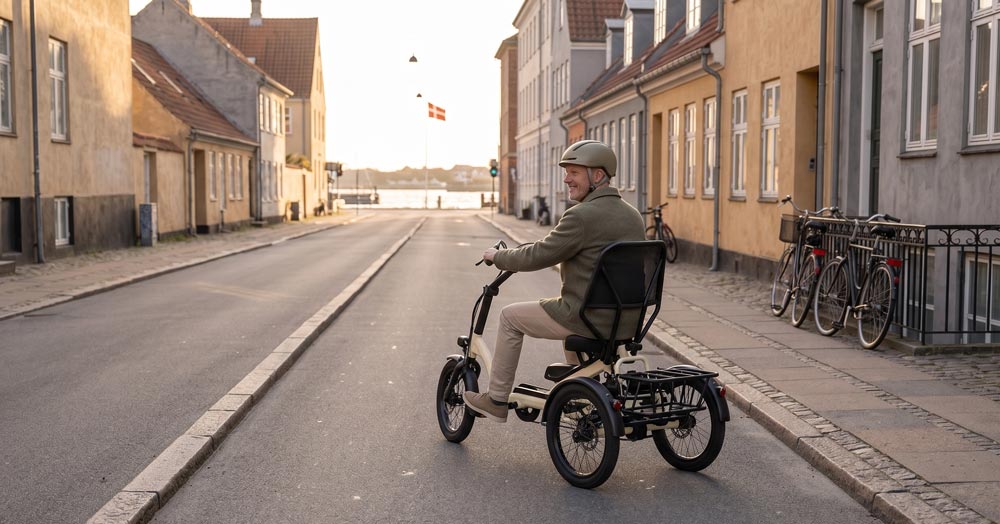
Pozyskiwanie trójkołowca elektrycznego dla seniorów w Danii: inżynieria dla najbardziej wymagającego małego rynku w Europie
Dania nagradza precyzję. Rynek tak wyczulony na design, tak wrażliwy na pogodę i tak uczulony na oprawy medyczne, natychmiast wyeksponuje produkt z katalogu – i nagrodzi ten rozważny przez lata, ponieważ duńscy klienci są lojalni wobec tego, co wzbudza ich zaufanie.
To jest skrócone Zjednoczona Mobilność inżynierów do. Nasze Vita I Chill Platformy półleżące są budowane jako udokumentowane produkty o wysokiej stabilności – wejście z pozycji siedzącej, mierzalna geometria wejścia, zgodność z normą EN 15194 – i konfigurowane na potrzeby danego rynku w ramach naszego programu ODM: pakiety pogodowe dla krajów nordyckich, wykończenia i opcje ładunkowe zgodne ze specyfikacją duńską oraz stonowany styl, który ten rynek traktuje jako kwalifikację. Zasady stabilności i wejścia z pozycji siedzącej, na których opiera się ten projekt, zostały omówione w naszym strona z rozwiązaniami dla starszych trójkołowców elektrycznych.
Jeśli Dania lub szersze kraje nordyckie znajdują się na Twojej mapie jako dystrybutora lub grupy detalicznej, poinstruuj nasz zespół inżynierów w swoim planie zasięgu — i skorzystaj z naszych lista kontrolna oceny producenta z Tobą, gdy porównujesz fabryki. Dowiedz się więcej modele trójkołowców elektrycznych Tutaj.
Często zadawane pytania
Czy w Danii można kupić trójkołowiec elektryczny?
Czasami. Zgodnie z § 112 ustawy o usługach (serviceloven), rower trzykołowy – z silnikiem lub bez – jest klasyfikowany jako hjælpemiddel i może zostać przyznany bezpłatnie obywatelowi z trwale ograniczoną zdolnością do funkcjonowania. Dotacja ma jednak formę pożyczki (jej właścicielem jest gmina), sama niestabilność związana z wiekiem rzadko kwalifikuje do otrzymania dofinansowania, a zasada “najtańszego odpowiedniego rozwiązania” coraz częściej skutkuje oferowaniem skutera inwalidzkiego. Większość aktywnych użytkowników powyżej 60. roku życia kupuje go prywatnie.
Dlaczego w Danii rower cargo jest traktowany inaczej niż trójkołowy?
Duńskie orzecznictwo klasyfikuje rowery do trzech kategorii: rower trzykołowy jest urządzeniem wspomagającym (§ 112), zwykły rower elektryczny jest dobrem konsumpcyjnym (§ 113), a rower towarowy – elektryczny czy nie – jest “sædvanligt indbo”, czyli zwykłą własnością gospodarstwa domowego, bez żadnego wsparcia publicznego. Pozycja produktu w tej taksonomii kształtuje zarówno jego historię finansowania, jak i pozycjonowanie.
Czy w Danii obowiązuje jakaś dotacja lub ulga VAT na zakup trójkołowców elektrycznych?
Nie. W Danii obowiązuje ryczałtowy podatek VAT 25% bez stawek obniżonych i bez krajowej dotacji do zakupu rowerów elektrycznych i trójkołowych. Rynek duński jest rynkiem czysto detalicznym – co oznacza również, że żaden z dotychczasowych uczestników rynku nie ma przewagi w finansowaniu.
Dlaczego warto wybrać trójkołowy rower elektryczny zamiast skutera inwalidzkiego?
Hulajnoga elektryczna (el-scooter) zaspokaja potrzebę transportu; trójkołowiec pozwala osobie jeździć na rowerze — pedałować, ćwiczyć i pozostać w kulturze rowerowej, którą Duńczycy opisują jako vind i håret, wiatr we włosach. Dla każdego, kto potrafi pedałować, trójkołowiec kontynuuje tożsamość, którą zakończyłby skuter.
Na co dystrybutor powinien zwrócić uwagę wybierając producenta na rynek duński i nordycki?
Konstrukcja zgodna z normami zimowymi, udokumentowana geometria wejścia i wyjścia, zgodność z normą EN 15194, stonowany język projektowania oraz elastyczność ODM (Organization for Dealer and Dealer) w zakresie standardów nordyckich. United Mobility buduje swoje platformy półleżące Vita i Chill zgodnie z tymi wytycznymi, z dokumentacją ergonomiczną, którą mogą przedstawić duńscy dealerzy i doradcy.
 Polish
  English
  German
  Dutch
Dutch  Danish
  French
  Portuguese
  Spanish