

Den semi-liggende elektriske trehjulede cykel har bevæget sig fra at være et nicheprodukt inden for komfort til et af de klarere vækstområder inden for trehjulet mobilitet. For en distributør eller et mærke, der opbygger sin egen linje, er det nyttige spørgsmål sjældent, hvilken model man skal købe. Det handler om, hvilken konfiguration der passer til markedet, og om den kan skaffes i en mængde og pris, der fungerer.
United Mobility begyndte at udvikle sin semi-liggende platform for omkring tre år siden, før formatet nåede de fleste europæiske kataloger. Vi har brugt den tid på at forfine én platform i stedet for at lancere en hylde af adskilte modeller. Denne artikel forklarer, hvordan platformen konfigureres til forskellige markeder, og hvad det egentlig indebærer at sourcing den som et OEM- eller private-label-produkt. Selve kategorien ligger bag to holdbare medvindspunkter - en den aldrende europæiske befolkning og et bredere skift mod komfortabel, skånsom elektrisk cykling — hvilket er grunden til, at efterspørgslen har holdt sig på tværs af meget forskellige købergrupper.
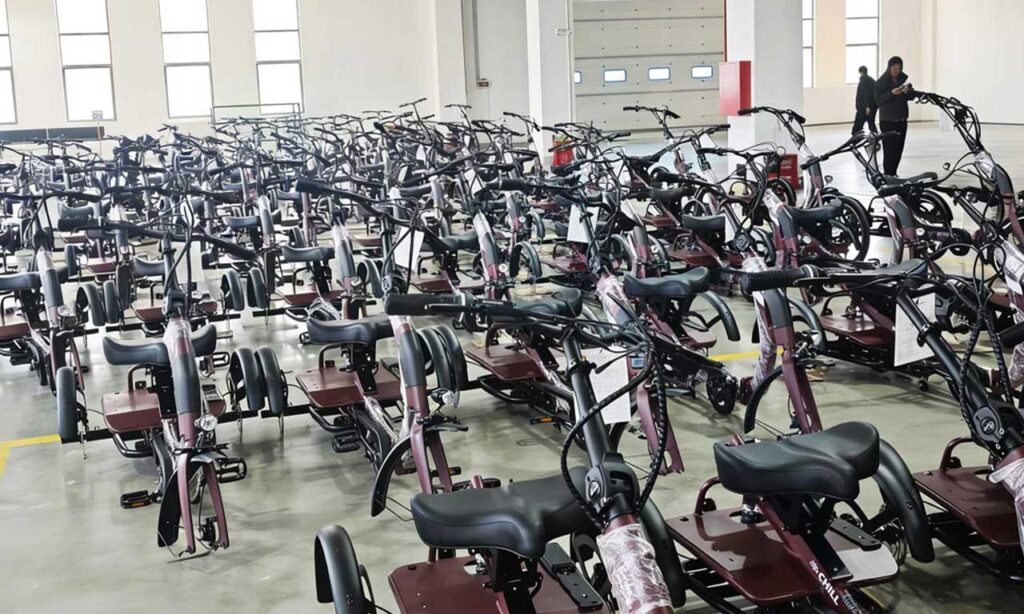
Hvad en semi-liggende trehjulet cykel er, kort sagt
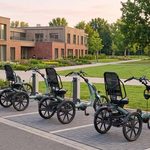
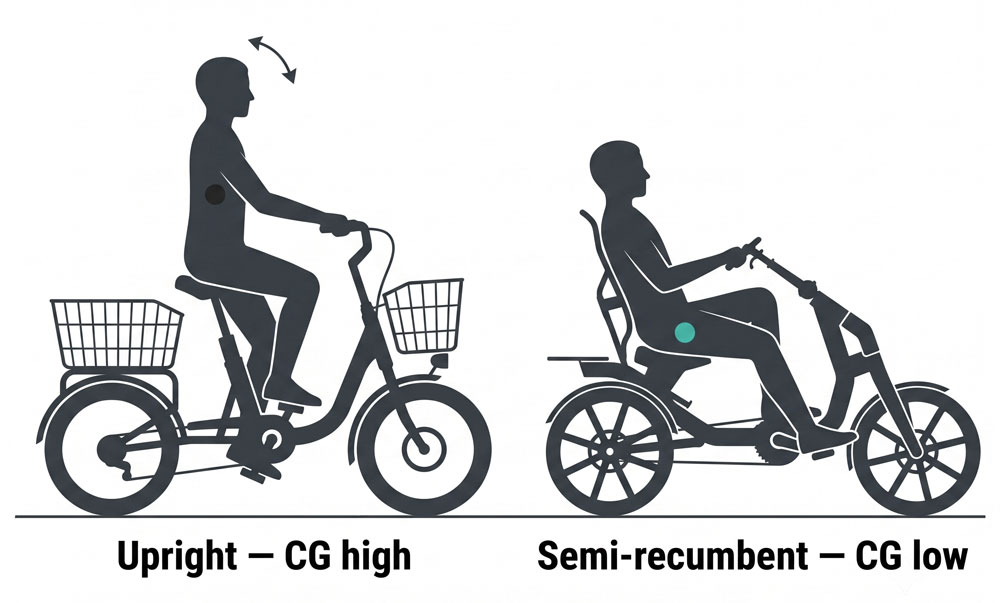
En semi-liggende trehjulet cykel placerer rytteren i en let tilbagelænet position – lavere og mere støttet end en opretstående cykel, men langt mindre end en fuld liggende cykel. Det tilbagelænede sæde bærer ryggen og fordeler rytterens vægt, og den lave, stabile holdning gør det nemt at starte, stoppe og træde igennem. Denne kombination er grunden til, at formatet passer godt til fritidscyklister, aktive ældre kunder og turisme- eller udlejningsoperatører uden at blive præsenteret som et specialiseret produkt. Vi holder positioneringen bevidst generel: en komfortabel, stabil trehjulet cykel, ikke et medicinsk produkt. Hvis du ønsker en mere fuldstændig sammenligning, dækker vi det i liggende versus opretstående elektriske trehjulede cykler.
Sourcing er en konfigurationsbeslutning, ikke en katalogbeslutning
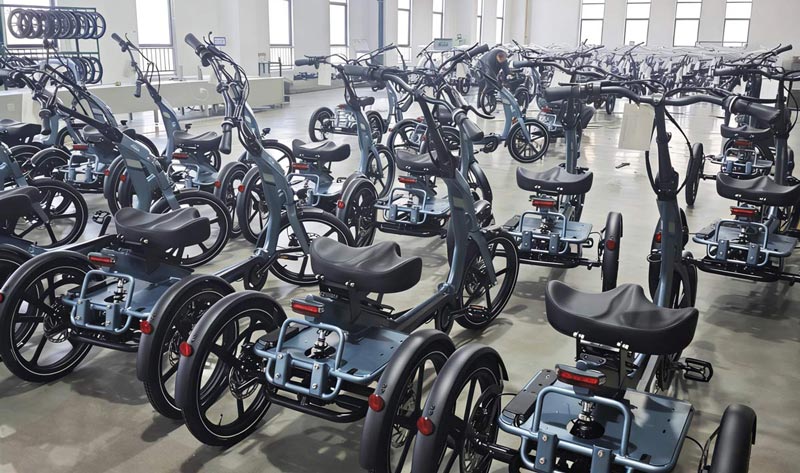
Den specifikation, der sælger på ét marked, er den forkerte specifikation på et andet. En trehjulet cykel bygget til flade hollandske cykelstier er overbygget til en kompakt bylejlighed og underbygget til en grussti i det skandinaviske landdistrikt. I stedet for at beholde et dusin næsten identiske varenummerer, behandler vi semi-liggecyklen som én valideret platform og konfigurerer den til destinationsmarkedet. Stellet, geometrien og den ergonomiske kerne forbliver konstante; de elementer, der bestemmer markedstilpasningen, specificeres pr. ordre.
Konfiguration af platformen til dit marked
Tabellen nedenfor viser de konfigurationsvalg, der oftest afgør, om en trehjulet cykel passer til markedet.
| Konfiguration | Hvor den fortjener sin plads |
|---|---|
| Tykke/bredere dæk | Blandede underlag, landlige og nordiske markeder — grus, pakket sne og ujævne stier, hvor kontaktflade og komfort betyder mere end egenvægt. |
| Dobbelt batteri | Langdistancebrug på landet og udlejnings- eller turistflåder, der har brug for rækkevidde hele dagen uden et opladningsstop midt på dagen. |
| Foldbar ramme | Pladsbegrænsede byhuse, opbevaring af lejligheder og transport af campingvogne eller autocampere — og udlejningsvirksomheder, der har brug for effektivt at flytte varer. |
| Motor- og assistanceklasse | Konfigureret til destinationsmarkedets lovlige klasse: en 250 W, 25 km/t pedalassist-model til EU eller en klasse med højere effekt, hvor nordamerikanske regler tillader det. |
| Farve og finish | Differentiering fra private label — din palet og dit brand, ikke en generisk fabriksfarvekombination. |
| Siddepladser og indstigning | Afstemt efter den demografiske gruppe af ryttere, du betjener, fra indstigningshøjde til sædevinkel og rækkevidde. |
På køreplanen: En bakassistentkonfiguration – virkelig nyttig på en trehjulet bil, hvor det er akavet at bakke ud af trang plads under førerens kraft – er under udvikling på platformen snarere end en leveringsmulighed i dag. Vi vil hellere introducere den, når den er valideret til samme standard som resten af platformen, end at sætte den på markedet, før den er klar.
Premium-mærkealternativet til en sourcing-venlig volumen
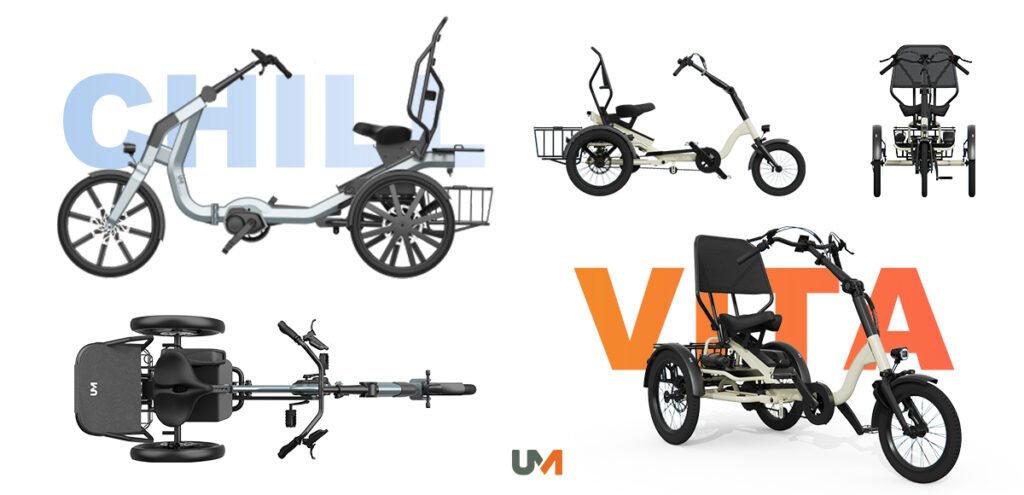
Europæiske producenter af premium-kvalitet har bevist efterspørgslen efter trehjulede køretøjer med fokus på komfort. For et mærke eller en distributør, der ønsker at imødekomme den samme efterspørgsel under eget navn til en tilgængelig mængde og pris, er sourcing-ruten en anden. En semi-liggende platform fra en OEM/ODM-partner giver dig formatet og konfigurerbarheden uden en prislappe for skræddersyet produktion eller en premium minimumsordre. Det er forskellen. United Mobility er bygget til: en valideret komfort-triangle, som du kan sætte dit eget mærke på, konfigurere til dit marked og bestille hos distributørerne. Guide til valg af trehjulsproducent angiver, hvad du skal kontrollere, før du forpligter dig.
Hvad en valideret platform betyder her
Et specifikationsark er nemt at matche. En platform, der allerede har været igennem adskillige runder med feedback og revision af kørere, er det ikke. I løbet af cirka tre år har vi itereret sæde-, indstignings-, håndterings- og finish-egenskaberne på semi-liggecyklen som reaktion på, hvordan kørerne rent faktisk bruger den – og justeret de detaljer, der først dukker op, når man bruger trehjulingen i hverdagen.
Noget af kategoriens synlighed er kommet fra mærker, der sælger færdige trehjulede cykler direkte til forbrugerne, til slutbrugere. Det bekræfter efterspørgslen, men det gør ikke meget for et mærke, der har brug for at eje sit produkt, sin margin og sit marked. Vores arbejde er gået den anden vej: ind i en platform, som en partner kan markedsføre som sin egen, med proceskontrollen bag sig – svejsning, efterbehandling og kvalitetskontroller, der holdes efter ensartede standarder gennem langvarige produktionspartnere, og slutmontering gennem vores europæiske base. Resultatet er en trehjulet cykle, der har en overkommelig pris uden at være uprøvet.
MOQ, leveringstid og hvordan ordren forløber
Indkøb af en konfigureret trehjulet motorcykel er en defineret proces, ikke et katalogkøb: en prøve efter dine specifikationer, aftale om konfiguration og finish, derefter pilotprojekt og produktion. Minimumsbestilling og leveringstid afhænger af, hvor meget du konfigurerer, og begge er indstillet til at passe til distributør- og private label-volumener snarere end engangs skræddersyede produktioner. Vi dækker tidsrammen i vores noter om ODM-leveringstider, og den fulde sekvens i ODM-proces fra første opkald til produktion.
Almindelige spørgsmål
Hvad er en semi-liggende elektrisk trehjulet cykel?
En trehjulet elcykel, der sidder let tilbagelænet og godt støttet – lavere end en opretstående cykel, men ikke helt tilbagelænet – for komfort og nem indstigning, med et lavt tyngdepunkt for stabilitet.
Er en semi-liggende trehjulet cykel medicinsk udstyr?
Nej. Det er positioneret og markedsført som et komfort- og mobilitetsprodukt uden medicinske påstande. Det er et standardforbrugerprodukt snarere end et medicinsk udstyr og kræver ikke certificering som medicinsk udstyr.
Hvad er den mindste ordremængde?
Det afhænger af, hvor meget du konfigurerer. Ordrestørrelser er fastsat for distributør- og private label-volumener i stedet for engangsspecialbyggede projekter og aftales som en del af ovenstående ODM-proces.
Hvordan kan dette sammenlignes med europæiske premium-mærker af trehjulede cykler?
Premiumproducenter bygger på bestilling internt til en premiumpris og leveringstid. Indkøb fra en OEM/ODM-partner giver dig det samme komfort-trike-format og konfigurerbarhed under dit eget mærke, til tilgængelige mængder og omkostninger.
Vejning af en semi-liggende trehjulet cykel til et specifikt marked? Fortæl os markedet og den rytter, du betjener, så knytter vi en konfiguration til det. Tal med vores team om konfiguration til dit marked.
 Danish
  English
  German
  Dutch
Dutch  French
  Polish
  Portuguese
  Spanish