

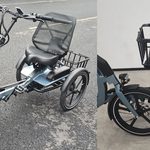
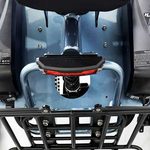

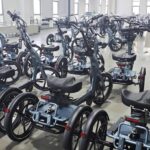
Når et ladcykelprojekt kæmper – ustabil håndtering, forsinket levering, gentagen prototypefremstilling – er den grundlæggende årsag sjældent motoren eller batteriet. I de fleste tilfælde kan problemet spores tilbage til ét sted: ladcykelstellet, og hvordan det blev defineret, konstrueret og fremstillet fra starten.
I modsætning til almindelige elcykler er ladcykler ikke en standardiseret produktkategori. De minder mere om små erhvervskøretøjer end om almindelige cykler. At behandle dem som "opskalerede elcykler" er en af de mest almindelige – og dyre – fejl, som mærker begår.
Hvorfor ladcykelstel fundamentalt set ikke er standard
En konventionel elcykel er designet omkring rytteren. En ladcykel er designet omkring brugsscenarier.
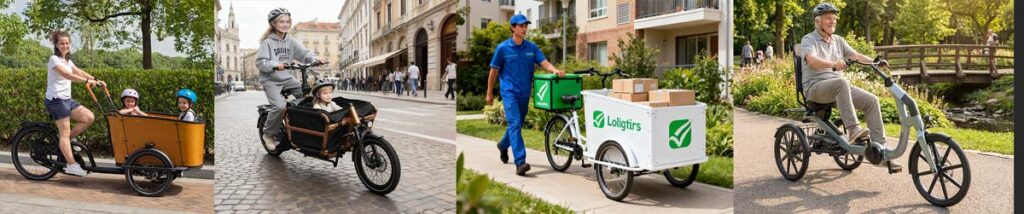
Disse anvendelsesscenarier varierer meget: levering i byens sidste kilometer, familietransport, kommunal service, campuslogistik eller assisteret mobilitet. Hvert scenarie introducerer forskellige belastningsmønstre, arbejdscyklusser og lovgivningsmæssige begrænsninger. Som et resultat bliver ladcykelstellet et system, ikke en enkelt komponent.
Derfor kræver ladcykler dybere tilpasning og tættere integration mellem forskning og udvikling og produktion end de fleste elcykler. Nyttelasten kan nå op på 200-300 kg. Akselafstandene forlænges. Styresystemerne bliver mere komplekse. Overholdelseskravene varierer mellem Europa og Nordamerika. Hver af disse variabler påvirker direkte steldesignet.
Hvad betyder "ladcykelstel" egentlig?
En af de mest vedvarende misforståelser er, at rammen stopper ved hovedtrekanten.
I virkeligheden inkluderer en ladcykels stel alle strukturelle elementer, der overfører last fra last til jord. Det betyder normalt:
- Hovedrammen og forstærkede samlinger
- Forlængede bagstrukturer på lange bageste ladcykelstel
- Forreste chassissektioner på frontlæssende ladcykler
- Strukturelle lastboksgrænseflader
- Styreforbindelser, tværbjælker og monteringspunkter
- I trehjulskonfigurationer, sidebjælker og akselholdere
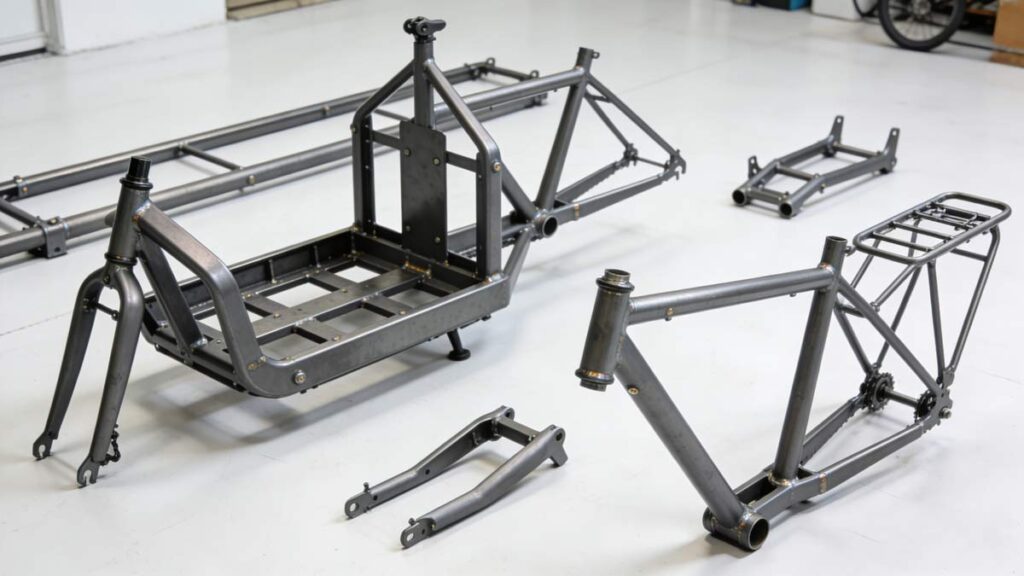
Hvis nogen af disse elementer behandles som påboltningstilbehør snarere end strukturelle dele, opstår der hurtigt problemer – ofte efter de første par måneders brug i den virkelige verden.
For en dybere strukturel opdeling, se
👉 Forklaring af ladcykelstel: Hvad betyder noget, når du bygger til brug i den virkelige verden
Et eksempel fra den virkelige verden: når "det bestod testen" ikke er nok
Forestil dig en frontlæsser-ladcykel udviklet til bykørsel. På papiret opfyldte stellet alle krav til statisk belastning. I tidlige tests kørte den problemfrit.
Tre måneder efter at have taget bilen i brug, begyndte der at opstå problemer: vag styrerespons, accelereret slid på ladebeslagene og mærkbar bøjning under opbremsning. Materialet var intakt. Svejsningerne var rene. Problemet lå et andet sted.
Det oprindelige design behandlede statisk belastning som den primære betingelse. Hvad det undervurderede var dynamisk belastning—de gentagne kræfter, der opstår ved at stoppe, dreje og ujævnt belægning med fuld nyttelast. Ladcyklens stel var stærkt nok, men Lastvejene var dårligt fordelt.
Denne sondring er vigtig. Ladcykler svigter sjældent katastrofalt. De svigter gradvist på grund af træthed, forkert justering og tab af kontrol og selvtillid.
Hvorfor geometri betyder mere end de fleste købere forventer
Forskellige typer ladcykler kræver fundamentalt forskellige rammegeometrier. Genbrug af en enkelt geometrisk logik på tværs af platforme er en anden almindelig faldgrube.
Lange bageste ladcykelstel
Lange bagdele placerer lasten bag rytteren og forlænger den bageste trekant. Udfordringen er ikke kun vægten, men også gearingen. Selv moderate belastninger skaber store bøjningsmomenter ved den bageste forbindelse. Veldesignede stel fokuserer på at forstærke usynlige belastningspunkter i stedet for blot at øge rørtykkelsen.
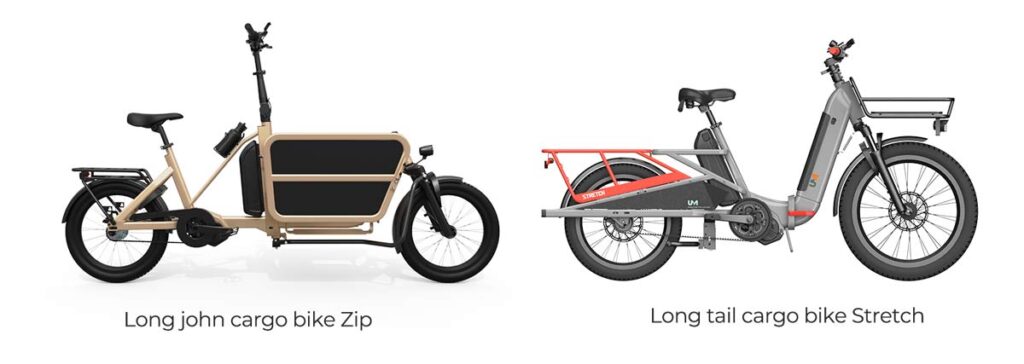
Frontlæssende ladcykelstel
Frontlæssere koncentrerer massen mellem kronrøret og forakslen. Her bliver vridningsstivhed og styretøjsjustering afgørende. Mindre geometriske fejl kan forstærke styretøjets ustabilitet under belastning, selvom stellet består styrketests.
Trehjulet ladcykel og liggende trehjulede cykler
Trehjulede designs – inklusive semi-liggende konfigurationer – flytter det tekniske fokus mod lateral stabilitet og lastfordeling. Disse stel er i høj grad afhængige af triangulering og layout med lavt tyngdepunkt snarere end råstyrke.
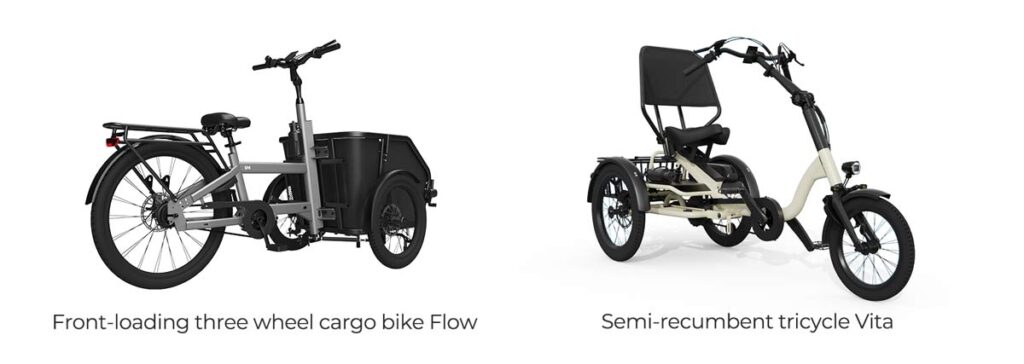
Efterhånden som disse platforme vinder frem i Europa, bliver det vigtigt at forstå deres strukturelle logik.
Relateret læsning:
👉 Mere end tre hjul: Den nye trend med semi-liggende trehjulede cykler i Europa
👉 Elektriske ligge-trehjulede cykler bygget til komfort, stabilitet og langvarig kørsel
Produktionsvirkelighed: hvorfor tolerancer afgør succes eller fiasko
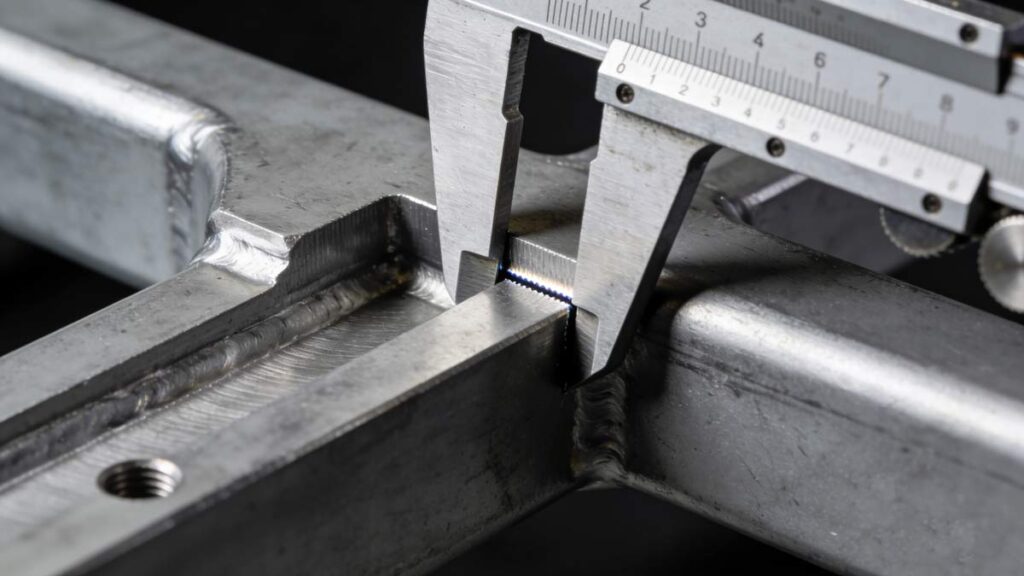
I standardproduktion af elcykler kan en afvigelse på ±1 mm være acceptabel. I ladcykler kan den samme afvigelse føre til alvorlige problemer.
Ladcykelstel integrerer flere ikke-standardkomponenter: lastbokse, affjedringsenheder, styrearme, batteribeslag. Hver grænseflade tilføjer tolerancestabling. En fejl på 0,5 mm på stelniveau kan resultere i forkert justerede samlinger, dårlig håndtering eller langvarig træthed.
Derfor behandler erfarne producenter Tolerancekontrol som en designbeslutning, ikke en eftertanke om kvalitetskontrol.
Den skjulte risiko: Forskning og udvikling og produktion er ude af synkronisering
Mange ladcykelprojekter løber ind i problemer, ikke på grund af dårligt design, men fordi designændringer ikke er synkroniseret med værktøj, skabeloner og fastgørelseselementer.
Når opdaterede tegninger ikke når produktionsgulvet i tide, opstår der uoverensstemmelser. Resultatet er ofte uoverensstemmelser på batchniveau – dyre at rette og ødelæggende for leveringstidspunkterne.
At vælge en fabrik med reel erfaring med ladcykler hjælper med at afdække disse risici tidligt, før de udvikler sig til strukturelle eller kommercielle fejl.
Praktiske råd til B2B-købere
Før du beslutter dig for en platform til en ladcykelstel, så spørg potentielle partnere:
- Hvordan validerer man dynamisk belastningsadfærd, ikke kun statisk styrke?
- Hvordan synkroniseres designændringer med produktionsværktøjer?
- Hvilke rammetolerancer betragtes som kritiske, og hvorfor?
Klare svar indikerer reel erfaring. Vage svar signalerer risiko.
UM Indsigt
United Mobility (UM) har brugt næsten to årtier på at arbejde med ODM for ladcykler på tværs af en række anvendelsesscenarier og markeder.
👉 Opret forbindelse til UM at få dybere, erfaringsbaseret indsigt, før kritiske designbeslutninger træffes.
 Danish
  English
  German
  Dutch
Dutch  French
  Polish
  Portuguese
  Spanish